
Dog eye discharge and lethargy can occur together when a dog is dealing with an eye problem as well as an illness affecting the rest of the body.
The discharge may be watery, stringy, cloudy, yellow, or green, while lethargy may appear as sleeping more than usual, reduced interest in normal activities, reluctance to play, or generally seeming less energetic.
A small amount of eye discharge does not necessarily mean a serious illness, but eye discharge combined with a noticeable change in energy deserves more attention than discharge alone.
Some eye conditions can be painful, while infections and other systemic illnesses can produce both ocular signs and reduced energy.
Table of Contents
Dog Eye Discharge and Lethargy: What It Means
A dog may have eye discharge and lethargy because of an eye infection or irritation, but the combination can also occur with a broader infection or systemic illness.
Viral and bacterial diseases, inflammatory conditions, and some generalized illnesses can affect the eyes while also causing reduced energy and appetite.
If the dog is unusually tired, has persistent or thick eye discharge, fever, coughing, nasal discharge, vomiting, or reduced appetite, veterinary evaluation is needed.
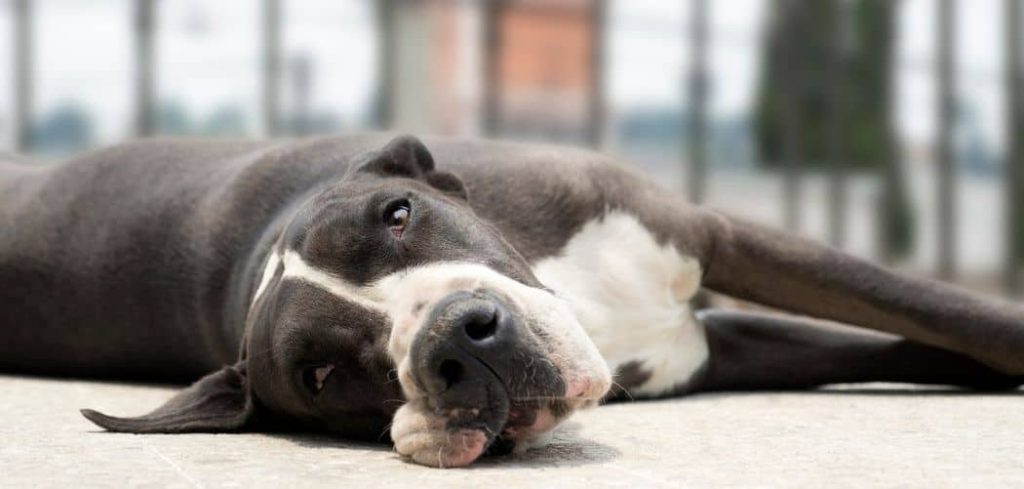
Dog Eye Discharge and Lethargy: Common Causes
Eye Infection or Conjunctivitis
Conjunctivitis is inflammation of the conjunctiva and commonly causes eye redness, swelling, discharge, and discomfort.
Dogs with conjunctivitis may have cloudy, yellow, or greenish discharge and may squint or blink more than usual.
Some infectious conditions can also produce nasal discharge, sneezing, or coughing.
If the dog is noticeably lethargic, however, it is important to consider whether an infection or another illness is affecting more than just the eye.
Related: Dog mucus eye discharge (Causes and treatment)
Upper Respiratory Infection
Respiratory infections can cause eye discharge along with other signs such as nasal discharge, sneezing, coughing, reduced appetite, or decreased energy.
Some dogs with mild respiratory illness remain fairly active, while others become tired or less interested in normal activities.
The combination of ocular and respiratory signs can therefore make an infectious respiratory problem more likely.
Related: Dog Eye Discharge and Not Eating and Lethargic (Causes and treatment)
Fever or Generalized Infection
A dog may become lethargic when the immune system is responding to an infection elsewhere in the body.
Eye discharge may occur at the same time if the illness also affects the eyes or respiratory tract.
Other signs can include reduced appetite, fever, nasal discharge, coughing, vomiting, diarrhea, or generalized weakness.
The presence of lethargy makes it more important to look at the dog’s overall condition rather than treating the eye discharge as an isolated symptom.
Corneal Ulcer or Eye Injury
A scratch or ulcer on the cornea can cause discharge, tearing, redness, squinting, and significant discomfort.
A painful eye may make a dog less active, particularly if the problem develops suddenly.
Some corneal injuries are not obvious to an owner because the damaged area can be difficult to see without an eye examination and fluorescein staining.
A dog that is lethargic and repeatedly squinting or holding an eye closed should be evaluated promptly.
Dry Eye
Dry eye, or keratoconjunctivitis sicca, occurs when the eyes do not produce enough tears.
Affected dogs can develop persistent, thick discharge and red, irritated eyes. Corneal sores and other complications can develop when dry eye is not adequately treated.
Dry eye itself is primarily an ocular problem, so marked lethargy may indicate discomfort or another condition occurring at the same time.
Related: Old Dog Eye Discharge (Signs, Causes and treatment)
Glaucoma
Glaucoma causes increased pressure within the eye and can become extremely painful.
Acute glaucoma can cause sudden redness, changes in the cornea, pupil abnormalities, vision loss, and severe discomfort. A painful eye may be accompanied by reduced activity or other behavior changes.
A red or abnormal-looking eye combined with lethargy should therefore not automatically be assumed to be simple conjunctivitis.
Eyelid or Eyelash Problems
Abnormal eyelids or eyelashes can repeatedly irritate the eye surface.
Problems such as entropion, in which the eyelid rolls inward, or abnormal eyelashes can cause excessive tearing, discharge, redness, and corneal irritation.
These conditions are more likely to cause chronic or recurring eye symptoms than generalized lethargy, so a tired dog may need evaluation for another concurrent problem.
Eye or Facial Trauma
An injury to the eye, eyelid, or surrounding tissues can produce discharge and discomfort.
A dog may become quiet or less active because of pain. More significant trauma can also affect deeper structures around the eye and may require urgent examination.
Inflammation Behind the Eye
Inflammation or infection within the tissues surrounding the eye can cause eye redness, swelling, discharge, and pain.
Orbital inflammation may cause the eye to appear pushed forward, the third eyelid to become prominent, or the eyelids to swell.
Pain when opening the mouth can also occur in some cases, particularly when nearby dental structures are involved.
Because these problems can involve deeper tissues, lethargy alongside facial or eye changes deserves veterinary assessment.
Dental Disease
Disease involving an upper tooth can sometimes extend into tissues near the eye.
An infection around an upper tooth root can contribute to inflammation or infection in the tissues surrounding the eye.
Dogs may also have bad breath, difficulty chewing, facial swelling, or pain around the mouth.
If eye discharge and lethargy occur together with facial swelling or oral discomfort, a dental source may need to be investigated.
Tear-Duct or Tear-Sac Disease
The eyes and nasal passages are connected through the nasolacrimal tear ducts.
Problems with tear drainage can cause excessive tearing and persistent discharge around one eye. Inflammation or infection of the tear sac can also affect the surrounding tissues.
A localized tear-duct problem would not usually explain pronounced generalized lethargy by itself, so another illness may need to be considered if the dog seems unwell overall.
Systemic Disease Affecting the Eyes
Some diseases that affect the whole body can also produce ocular abnormalities.
Depending on the underlying condition, a dog may develop eye inflammation, discharge, changes in the appearance of the eye, reduced appetite, weakness, or lethargy.
When both eyes are affected along with generalized illness, veterinarians may consider systemic causes rather than focusing only on conjunctivitis.
Dog Eye Discharge and Lethargy but Still Eating
A dog that is lethargic but still eating may have a relatively mild illness, discomfort from an eye problem, or an early-stage infection.
Eating is reassuring, but it does not rule out a condition that requires treatment. A dog with a painful corneal injury or developing infection may continue to eat while becoming less active.
Pay attention to whether the dog is drinking normally, responding normally, and becoming more or less energetic over time. Persistent or worsening lethargy together with eye discharge should be evaluated.
Dog Eye Discharge and Lethargy With Fever
Eye discharge accompanied by fever and lethargy is more suggestive of an illness affecting the body rather than simple tear overflow.
Respiratory infections and other infectious or inflammatory conditions can produce combinations of eye discharge, reduced energy, appetite changes, and fever.
The specific cause cannot be determined from these signs alone, so a veterinary examination may be appropriate.
Dog Eye Discharge and Lethargy With Not Eating
When a dog has eye discharge, lethargy, and refuses food, the concern is greater than with mild eye discharge alone.
Loss of appetite can occur with pain, infection, nausea, fever, or other systemic illness. The combination is particularly concerning if the dog is also weak, vomiting, having diarrhea, dehydrated, or showing breathing changes.
A dog that refuses food and appears significantly unwell should be assessed by a veterinarian rather than waiting for the eye discharge to resolve on its own.
Dog Eye Discharge and Lethargy in an Older Dog
In an older dog, new eye discharge accompanied by lethargy deserves attention because older dogs can have multiple health conditions at the same time.
The eye problem may still be something localized, such as conjunctivitis, dry eye, or an eyelid disorder. However, reduced energy can also indicate pain, infection, or another medical problem occurring alongside the eye condition.
A new or persistent change in an older dog’s energy level should not automatically be attributed to aging.
Related: Dog Eye Discharge and Loss of Appetite (Causes and what to do)
When to Call or Visit the Vet
Have your dog evaluated if eye discharge is persistent, recurrent, or accompanied by noticeable lethargy.
Seek immediate veterinary attention if your dog has:
Significant or worsening lethargy
Refusal to eat or drink
An eye that is painful, cloudy, swollen, or held closed
Severe redness or swelling around the eye
Thick yellow, green, or bloody discharge
Sudden changes in vision or behavior
A bulging or enlarged-looking eye
Facial swelling or significant pain around the mouth
Fever, weakness, collapse, or difficulty standing
Vomiting or diarrhea together with marked lethargy
Difficulty breathing
A recent eye or facial injury
Symptoms that are rapidly worsening
A very painful eye, sudden vision change, severe swelling, or an eye that appears enlarged or displaced warrants prompt veterinary attention because some eye diseases can threaten vision.
Dog Eye Discharge and Lethargy: Treatment
Treatment depends on whether the discharge and lethargy are caused by an eye disorder, infection, pain, or a broader systemic illness.
The veterinarian may examine the eyes, eyelids, cornea, pupils, and tear production, and may perform tests such as fluorescein staining or tear testing when indicated.
Depending on the dog’s overall condition, blood tests, urine testing, respiratory testing, dental evaluation, or imaging may also be appropriate.
Treatment is then directed at the underlying diagnosis rather than the discharge alone.
Key Takeaway
Dog eye discharge and lethargy can occur with conjunctivitis, respiratory infection, eye injury, corneal disease, dry eye, glaucoma, eyelid problems, dental disease, or illnesses affecting the body more generally.
Eye discharge alone may sometimes be relatively minor, but a noticeable decrease in energy makes the combination more important to evaluate.
Pay particular attention to pain, squinting, appetite changes, fever, weakness, facial swelling, vision changes, and the appearance of the eye.
A dog that seems unusually tired may be experiencing discomfort or a more generalized illness even if the eye discharge initially looks mild.
If the lethargy is significant, worsening, or accompanied by a painful or abnormal-looking eye, veterinary assessment is appropriate rather than assuming the problem is simple conjunctivitis.