Watching your dog eat poop can be unpleasant and confusing, especially when it happens repeatedly during walks, in the garden, or immediately after your dog has finished pooping.
Some dogs eat their own stool, while others seek out the poop of other dogs, cats, or animals.
Dog eating poop, a behavior known as coprophagia, can develop for several reasons, including curiosity or underlying medical problems.
Although it does not always indicate illness, eating feces can expose your dog to intestinal parasites, harmful bacteria, and other infectious organisms.
We’ll explain the reasons why a dog may eat poop, what you can do at home, and when to contact a veterinarian.
Table of Contents
Dog Eating Poop: Why It Happens
Dogs eat poop for a variety of behavioral and medical reasons, and the behavior does not automatically mean that a dog is sick or lacking nutrients.
Some dogs investigate feces out of curiosity, develop the habit through repeated exposure, or learn to eat stool because it is available in their environment. Others may be attracted to the smell or taste of undigested food material in the feces.
In some cases, eating poop may be associated with inadequate food intake, intestinal parasites, digestive problems, or medical conditions that affect appetite and nutrient absorption.
Stress, boredom, and competition around food can also contribute. Understanding when and where your dog eats poop, along with any changes in appetite, weight, or digestion, can help determine whether the behavior is primarily behavioral or needs medical investigation.
Eating poop is not usually an act of spite, and dogs should not be punished for it. Instead, the goal is to prevent access, reinforce alternative behaviors, and identify any medical problems that may be contributing.
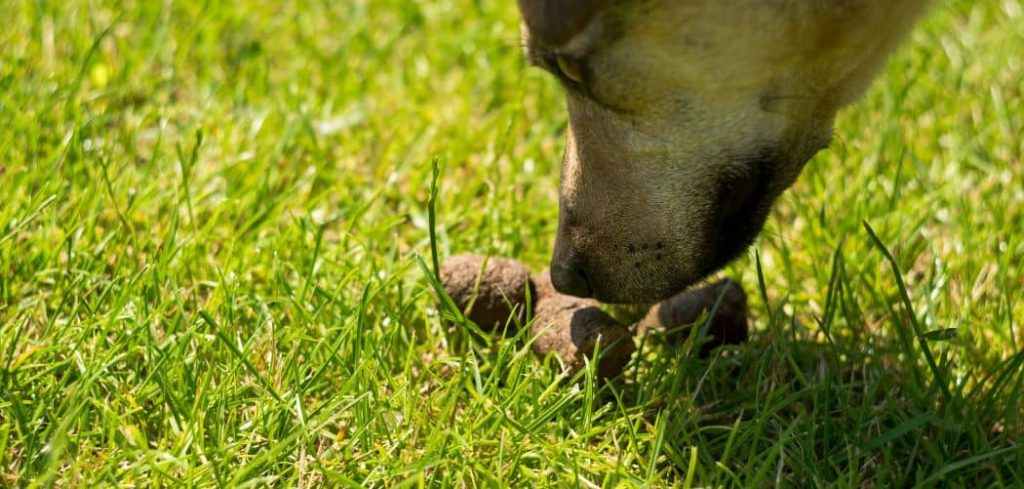
Dog Eating Poop: Common Causes
1. Curiosity and Natural Exploration
Dogs explore their surroundings using their noses and mouths. Puppies, in particular, may investigate feces because they are curious about unfamiliar smells and textures.
Some dogs continue the behavior as they grow older because they discover that stool is interesting or rewarding.
This does not necessarily mean they have a nutritional deficiency or an underlying illness.
If your dog eats poop occasionally but otherwise eats well, maintains a healthy weight, and has normal stools, the behavior may be habitual.
Preventing access and rewarding your dog for moving away from feces can help reduce it.
Read more: Dog Eating Poop Side Effects (What to watch out for)
2. Learned Behavior and Habit
A dog may develop a habit of eating poop after doing it repeatedly. If feces are readily available in the garden, litter area, or during walks, the dog may continue returning to them.
Some dogs also learn that eating stool attracts their owner’s attention. Even negative attention can sometimes reinforce a behavior if it repeatedly follows the action.
Avoid shouting or chasing your dog. Instead, calmly interrupt the behavior, call your dog away, and reward it for responding.
Immediately cleaning up feces can also reduce opportunities for the habit to continue.
Related: How to Stop Dog Eating Poop With Pineapple (Does It Work?)
3. Hunger or Inadequate Food Intake
A dog that is not receiving enough food for its individual needs may search for additional sources of food, including feces.
This can happen if portions are too small, meals are frequently missed, or the dog’s energy requirements have increased.
However, eating poop does not automatically mean your dog is hungry. Some dogs that receive adequate food still develop the behavior.
Review your dog’s feeding schedule, food quantity, and diet with your veterinarian if you are concerned.
Growing puppies and highly active dogs may have different nutritional needs from less active adult dogs.
4. Intestinal Parasites
Intestinal parasites can interfere with digestion and nutrient absorption. Some infections may increase hunger or cause digestive discomfort, potentially contributing to unusual eating behavior.
Other signs may include diarrhea, vomiting, weight loss, a dull coat, or changes in appetite. However, some dogs with intestinal parasites show few obvious symptoms.
Eating contaminated feces can also expose a dog to certain parasites, creating a cycle in which the behavior increases the risk of further infection.
Your veterinarian may recommend stool testing and an appropriate parasite-control plan.
5. Digestive Problems and Poor Nutrient Absorption
Some conditions affecting the pancreas or intestines can interfere with digestion and nutrient absorption. A dog may become unusually hungry even while eating its normal meals.
For example, exocrine pancreatic insufficiency can prevent a dog from producing enough digestive enzymes to process food properly.
Affected dogs may have weight loss, frequent or bulky stools, diarrhea, and an increased appetite.
If poop eating begins alongside persistent digestive symptoms or unexplained weight loss, arrange a veterinary examination.
Treating the underlying condition may help improve the dog’s overall health and may reduce associated abnormal eating behaviors.
6. Stress, Anxiety, or Environmental Changes
Some dogs develop repetitive behaviors when their routines change or when they experience stress.
Moving house, being left alone for longer periods, introducing another pet, or changes in the household environment may contribute to unwanted habits.
Stress is not the only explanation for poop eating, and the behavior alone cannot confirm anxiety.
Look for other changes, such as restlessness, excessive licking, destructive behavior, or changes in appetite.
Maintain a predictable routine, provide suitable exercise and enrichment, and reward calm behavior.
If the behavior is persistent or accompanied by significant anxiety, ask your veterinarian whether further support is needed.
7. Boredom and Lack of Enrichment
Dogs that have few opportunities to explore, play, or interact with their environment may develop repetitive habits.
Eating poop can become one of the activities they repeat when left without much stimulation.
This may be more noticeable in dogs that spend long periods alone or have limited opportunities for supervised walks and play.
Provide appropriate toys, sniffing activities, training games, and regular interaction.
Enrichment can help reduce boredom, but it should be combined with prompt stool removal and training rather than used as the only solution.
8. Attention-Seeking or Reactions From Owners
If a dog repeatedly receives an intense reaction when it approaches poop, it may learn that the behavior reliably attracts attention. This can happen even when the owner is trying to discourage it.
Avoid chasing, yelling, or physically punishing your dog. These responses can increase stress and may make the dog more likely to grab feces quickly or avoid the owner afterward.
Instead, teach a reliable recall or “leave it” cue and reward your dog for turning away from feces. Consistency is important, especially during walks and supervised outdoor time.
9. Medical Conditions That Increase Appetite
Certain medical conditions can cause excessive hunger, which may lead some dogs to seek out unusual food sources.
Diabetes mellitus, Cushing’s disease, and some medication effects can increase appetite in affected dogs.
Other signs may include increased thirst, frequent urination, weight changes, panting, or changes in energy. These symptoms are more informative than poop eating alone.
If your dog suddenly starts eating feces and also seems constantly hungry, loses weight despite eating, or drinks and urinates more than usual, contact your veterinarian for an assessment.
Dog Eating Its Own Poop
A dog eating its own poop may be responding to curiosity, habit, environmental conditions, or a medical issue that affects appetite or digestion.
Some dogs repeat the behavior because stool is readily available immediately after they defecate.
Although the behavior is unpleasant, it does not mean your dog is deliberately misbehaving to upset you. Punishment is unlikely to address the reason and may make training more difficult.
Supervise your dog during bathroom breaks, call it away as soon as it finishes, and reward it for coming to you. Then remove the stool promptly so it cannot return to eat it.
If your dog suddenly begins eating its own poop after never doing so before, particularly alongside diarrhea, vomiting, weight loss, or increased hunger, arrange a veterinary examination.
Dog Eating Other Dogs’ Poop
Dogs may be attracted to the smell of another dog’s stool, and the behavior can become habitual when feces are readily available in parks, gardens, or shared outdoor spaces.
Eating another dog’s poop can expose your dog to intestinal parasites and infectious organisms. The risk depends on the source of the stool and whether it contains pathogens or parasite eggs.
Keep your dog on a lead when needed, watch closely during walks, and use a reward to encourage it to move away from feces. Avoid allowing your dog to sniff or eat stool from unknown animals.
If your dog develops vomiting, diarrhea, appetite changes, or lethargy after eating another animal’s feces, contact your veterinarian.
Dog Eating Cat Poop
Cat poop can be particularly tempting to some dogs, and access to a cat’s litter box can make the behavior difficult to prevent. The smell and material in the stool may attract a dog even when it is receiving adequate food.
Eating cat feces may expose a dog to harmful microorganisms or parasites, and swallowing cat litter can cause digestive irritation. Large amounts of litter or clumping litter may be particularly concerning if swallowed.
Place the litter box somewhere your dog cannot access, such as behind a pet gate or in a room with a dog-proof entrance.
Clean the box regularly and seek veterinary advice if your dog swallows a substantial amount of litter or develops symptoms.
Dog Eating Poop but Acting Normal
A dog may eat poop while eating its usual meals, playing, and behaving normally. In many cases, the behavior is habitual rather than a sign of an immediate medical problem.
However, normal behavior does not completely rule out parasites or digestive conditions, especially if the habit begins suddenly or becomes frequent. Watch for changes in appetite, weight, thirst, stool quality, and energy.
If your dog repeatedly eats poop or the behavior is new and unexplained, discuss it with your veterinarian. A medical assessment is particularly important if other symptoms develop.
Dog Eating Poop and Throwing Up
A dog may eat poop and throw up because the ingested feces irritate the stomach or introduce bacteria, parasites, or other organisms that cause gastrointestinal upset.
Eating feces from other animals can expose a dog to infectious organisms, while contaminated or decomposing stool may trigger vomiting, diarrhea, or abdominal discomfort.
However, vomiting may also be caused by an unrelated digestive problem that happens to occur around the same time.
If a dog vomits repeatedly after eating poop, it should be examined by a veterinarian, particularly if there is diarrhea, blood in the vomit or stool, abdominal pain, weakness, or loss of appetite.
Repeated vomiting, inability to keep water down, or marked lethargy warrants urgent veterinary attention.
Prevent further access to feces and inform the veterinarian what type of stool the dog consumed.
Read more: Dog Eating Poop and Throwing Up (Here’s why)
Dog Eating Poop and Drinking Lots of Water
A dog eating poop and drinking lots of water may have an underlying medical condition affecting its appetite, thirst, or digestion. For example, diabetes mellitus and Cushing’s disease can cause increased appetite and excessive thirst, potentially contributing to stool eating.
Kidney disease and other metabolic conditions can also increase water consumption, although they do not necessarily explain the coprophagia.
Intestinal parasites and digestive disorders may contribute to abnormal appetite or poor nutrient absorption.
Pay attention to whether the dog is also urinating more frequently, losing weight despite eating, vomiting, or developing changes in appetite.
These additional symptoms can help identify an underlying health problem.
A veterinary examination, including blood tests and urine testing, can help investigate excessive thirst and appetite changes. Do not restrict the dog’s access to water while waiting for an appointment.
Dog Eating Poop Out of the Toilet
A dog may eat poop out of the toilet because it is attracted to the smell and taste of human feces or is naturally inclined to scavenge. Dogs explore their surroundings using their mouths, and some are attracted to unusual food sources, including human waste.
The behavior may also be reinforced if the dog has previously accessed the toilet and found something appealing. This is a form of coprophagia, the term used for eating feces.
Although this behavior may be driven by curiosity or scavenging instincts, human feces can expose dogs to harmful bacteria, parasites, and other infectious organisms.
Toilet cleaning chemicals and disinfectants may also pose a poisoning risk if the dog ingests contaminated water or residue. Keep bathroom doors closed, toilet lids down, and cleaning products out of reach.
Contact a veterinarian if the dog develops vomiting, diarrhea, excessive drooling, or other signs of illness after accessing the toilet.
Dog Eating Poop on Walks
A dog may eat poop on walks because it is attracted to the smell, taste, or partially digested food material in the feces of other animals. Dogs are natural scavengers, and some readily investigate and consume stool from other dogs, cats, horses, and wildlife.
The behavior can also develop through habit, curiosity, boredom, or an opportunity to scavenge while exploring the environment.
Eating poop during walks can expose a dog to intestinal parasites, bacteria, and other infectious organisms, particularly when the source of the feces is unknown. Some contaminated stool may also contain substances harmful to dogs.
Keep the dog on a leash, supervise outdoor exploration, teach a reliable “leave it” command, and prevent access to animal waste. Regular parasite prevention and veterinary fecal testing are also important, especially if the dog frequently eats feces.
Dog Eating Poop in Old Age
A senior dog may start eating poop because of changes in appetite, digestion, health, or cognitive function.
Medical conditions such as diabetes, Cushing’s disease, intestinal parasites, and disorders that interfere with nutrient absorption can increase hunger or contribute to abnormal eating behavior.
Some older dogs also develop cognitive dysfunction, a condition similar to dementia in people, which can cause changes in familiar habits, confusion, and unusual behaviors, including eating feces.
If a senior dog suddenly starts eating poop after never having shown this behavior before, it is important to investigate rather than assume it is simply part of aging.
Pay attention to increased thirst, frequent urination, weight loss, increased appetite, disorientation, changes in sleep patterns, or house-soiling accidents.
A veterinarian can assess the dog for metabolic disease, digestive problems, parasites, and cognitive changes through a physical examination and appropriate tests.
Early assessment is particularly important when the behavior occurs alongside other changes in health or daily routine.
Read more: Old Dog Eating Poop (Causes and when to worry)
The Potential Risks of a Dog Eating Poop
Intestinal parasites:
Feces from infected animals may contain parasite eggs or other infectious stages that can infect the dog.
These include roundworms, hookworms, and whipworms, which may cause diarrhea, weight loss, poor growth, or other digestive problems.
Bacterial infections:
Contaminated feces may contain harmful bacteria such as Salmonella and E. coli. Infection can cause vomiting, diarrhea, abdominal discomfort, and reduced appetite.
Some bacteria can also be transmitted to people through contact with contaminated feces or the dog’s saliva.
Gastrointestinal upset:
Eating unfamiliar or contaminated feces can irritate the digestive tract, potentially causing vomiting, diarrhea, nausea, or abdominal discomfort.
However, not every dog that eats poop develops digestive problems.
Exposure to medications and toxins:
Feces from animals receiving medication may contain drug residues that can affect another dog if ingested.
For example, certain medications, including some painkillers and thyroid medications, have been reported to cause illness following this type of exposure. Horse manure may also contain residues from medications given to horses.
Transmission of infections to humans:
A dog that eats contaminated feces may carry infectious organisms in its mouth or digestive tract.
People can be exposed through contact with the dog’s saliva, particularly when the dog licks their hands or face.
Washing hands after handling feces and avoiding face licking can help reduce this risk.
What to Do If Your Dog Is Eating Poop
1. Remove Feces Immediately
The simplest way to reduce poop eating is to prevent access. Pick up your dog’s stool promptly after it defecates, and keep your garden and other regular toileting areas clean.
If you have cats, place the litter box somewhere your dog cannot reach. During walks, supervise your dog closely and steer it away from feces left by other animals.
2. Teach a Reliable “Leave It” Cue
Practice the “leave it” command in a controlled setting before using it around feces. Reward your dog with praise or a suitable treat when it turns away from something you want it to avoid.
During bathroom breaks, call your dog to you immediately after it finishes pooping and reward it for coming away.
This helps establish an alternative behavior rather than allowing the dog to repeat the unwanted habit.
3. Review Your Dog’s Diet and Feeding Routine
Make sure your dog receives an appropriate, complete, and balanced diet in portions suited to its age, size, activity, and health.
Keep meals consistent and discuss portion sizes with your veterinarian if your dog seems unusually hungry.
Do not assume that eating poop means your dog needs extra food or nutritional supplements.
Unnecessary dietary changes or supplements may not help and can create other problems.
4. Provide More Enrichment and Supervision
Offer regular walks, sniffing opportunities, interactive toys, and short training sessions. These activities give your dog appropriate ways to explore and interact with its environment.
If your dog tends to eat poop in the garden, supervise outdoor time until the habit improves.
Consistent management is often more effective than relying on commands alone.
5. Avoid Punishment
Do not hit, frighten, or shout at your dog for eating poop. Punishment may increase stress and can make it harder to redirect the behavior.
Instead, interrupt calmly, guide your dog away, and reward it for choosing a different behavior. Everyone in the household should use the same approach.
6. Arrange a Veterinary Check When Needed
If your dog suddenly starts eating poop, does it frequently, or seems unusually hungry despite eating normally, arrange a veterinary examination.
Your veterinarian may recommend a stool test, a review of your dog’s diet, or blood tests if other symptoms suggest an underlying medical condition.
When to Call or Visit Your Vet
Contact your veterinarian if your dog:
Suddenly starts eating poop despite never having done so before.
Eats feces repeatedly and the behavior is difficult to manage.
Has persistent diarrhea, vomiting, or changes in stool quality.
Loses weight despite eating normally or seems constantly hungry.
Drinks or urinates more than usual.
Appears unusually tired or develops a reduced appetite.
Seek prompt veterinary advice if your dog eats feces from an unknown animal and subsequently becomes unwell.
If it swallows a large amount of cat litter, potentially toxic material, or another foreign substance, contact a veterinarian for guidance.
If your dog is otherwise healthy and eats poop occasionally, the behavior may be manageable through supervision, training, and removing access.
However, repeated or newly developed coprophagia deserves attention rather than being dismissed as simply a bad habit.
Dog Eating Poop: Treatment
Treatment depends on whether the behavior is primarily behavioral or linked to an underlying medical condition.
Your veterinarian may review your dog’s diet, feeding routine, medical history, and parasite-control plan, and may recommend stool testing or blood tests if indicated.
If parasites, digestive disease, or another illness is identified, treatment will target that condition.
When no medical cause is found, management generally focuses on preventing access to feces, consistent reward-based training, and environmental enrichment.
Key Takeaway
Dog eating poop, or coprophagia, can result from curiosity, habit, environmental access, stress, or medical problems that affect appetite and digestion. It does not automatically mean your dog is hungry or has a nutritional deficiency.
The most useful first steps are to clean up feces promptly, supervise bathroom breaks, reward your dog for moving away, and avoid punishment.
Preventing access also reduces exposure to parasites and infectious organisms.
If the behavior starts suddenly, becomes persistent, or occurs alongside weight loss, excessive hunger, vomiting, or diarrhea, arrange a veterinary examination.
Identifying the cause can help you choose the most effective way to stop the behavior.


