
When a dog keeps dragging its bottom across the floor, but you cannot see any worms, it does not necessarily mean parasites are responsible.
Scooting is usually a sign of itching, irritation, pressure, or discomfort around the anus, and several conditions can cause it even when no worms are visible.
Frequent licking under the tail, a fishy smell, redness, swelling, or discomfort when your dog sits may also be noticed.
Table of Contents
Dog Scooting but No Worms: Why It Happens
A dog may scoot without having visible worms because irritation around the anus can also result from impacted anal glands, allergies, skin infections, diarrhea, or inflammation of the rectal area.
Anal gland problems are particularly common because fluid can accumulate inside the small sacs beside the anus when they do not empty properly.
Even when parasites are responsible, they may not be visible in the stool or around the dog’s bottom, so the absence of worms does not completely rule out an infection.
The important thing is to identify what is causing the discomfort rather than assuming that your dog needs deworming.
Repeated scooting, especially when accompanied by licking, a strong smell, swelling, or changes in bowel movements, needs a veterinary examination.
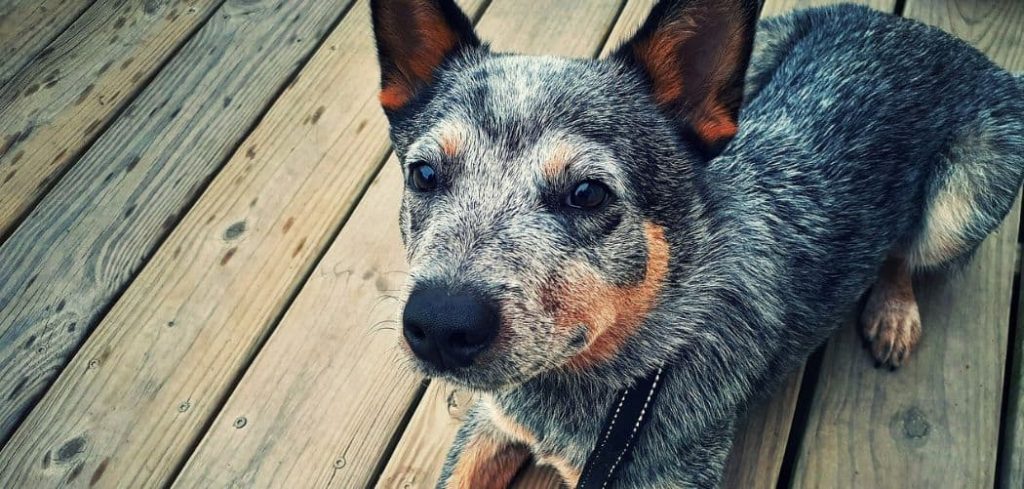
Dog Scooting but No Visible Worms: Causes
1. Impacted or Full Anal Glands
Anal gland problems are one of the most common explanations for scooting when no worms are visible.
Dogs have two small anal sacs positioned on either side of the anus. These sacs normally release a strong-smelling fluid during bowel movements.
If the sacs do not empty properly, fluid accumulates and creates pressure and discomfort.
A dog may drag its bottom across the floor, lick underneath its tail, or repeatedly turn around to investigate its rear end.
You may also notice a fishy smell, brownish discharge, or reluctance to sit comfortably. A veterinarian can examine the glands and determine whether they need to be emptied.
Read more: Dog scooting excessively (what it means)
2. Anal Gland Infection or Abscess
An impacted anal gland can become inflamed or infected. In more advanced cases, an abscess may develop, causing painful swelling beside the anus.
A dog may scoot frequently, lick or bite the affected area, or cry when passing stool. You might notice redness, a painful lump, blood, pus, or a particularly unpleasant smell.
An anal gland abscess needs prompt veterinary attention. It may require professional drainage, flushing, and medication rather than simple gland expression.
Read more: Dog diarrhea and scooting (Causes and when to worry)
3. Allergies and Skin Irritation
Allergies can cause itching around the anus even when your dog has no intestinal worms.
Environmental allergens, food sensitivities, and flea allergies may cause inflammation of the skin around the rear end.
You may also notice your dog licking its paws, scratching its ears, rubbing its face, or chewing around the tail base.
Some dogs develop recurring anal gland problems alongside allergic skin disease. If scooting occurs with itching in several areas of the body, your veterinarian may investigate allergies as a possible underlying cause.
4. Fleas or Other External Parasites
Fleas can cause intense itching, particularly around the lower back and tail base. A dog experiencing flea irritation may scoot, bite its rear end, or repeatedly scratch the skin.
Small dark specks in the coat, hair loss, redness, or scabs around the tail may be noticed.
Other external parasites can also cause skin irritation. These problems are different from intestinal worms, so a dog can scoot because of parasites affecting its skin even when no worms are present in its stool.
5. Diarrhea or Soft Stool
Soft stool and diarrhea can irritate the skin around the anus, particularly when frequent bowel movements leave residue on the surrounding fur.
Loose stools can also contribute to anal gland problems because firm stools normally help compress the glands during defecation.
A dog may scoot immediately after pooping, lick its bottom, or pass mucus-covered stools.
If the stool changes persist or you notice blood, arrange a veterinary examination to investigate the digestive problem.
6. Something Stuck Around the Anus
Sometimes a dog scoots because something is physically irritating the area beneath its tail.
Dried poop, matted fur, mud, grass, or other debris can become trapped around the anus.
This may cause sudden scooting even when the anal glands are healthy and there are no worms.
Check the area gently. If the material is loose and easily removed, careful cleaning with lukewarm water may help.
Do not pull at anything embedded in the skin or fur, especially if your dog seems painful.
7. Perianal Fistulas
Perianal fistulas are inflamed tunnels or openings that develop in the skin and tissues surrounding the anus. They can cause persistent irritation, pain, and discharge.
Affected dogs may scoot, lick their rear ends, strain when pooping, or become reluctant to sit.
Sores, small openings, redness, or foul-smelling discharge around the anus may be noticed.
German Shepherd Dogs are particularly associated with this condition, although other breeds can also develop it.
A veterinary examination is important because this condition usually requires specific medical treatment.
8. A Growth or Mass Around the Anus
A growth involving the anal glands, anus, or surrounding tissues can cause persistent discomfort and scooting.
Some dogs develop a lump beside the anus, swelling, bleeding, or difficulty passing stool. Others may show repeated scooting as one of the first noticeable changes.
Although less common than anal gland impaction, a growth should be considered when scooting continues or when a lump can be felt near the anus.
Your veterinarian may recommend a rectal examination and further testing to identify the nature of the growth.
Read more: Dog watery diarrhea and straining (Why it happens)
Dog Scooting but No Worms and Acting Normal
A dog may repeatedly scoot while continuing to eat, play, and behave normally. This is common with early anal gland problems, mild skin irritation, and some allergic conditions.
However, normal behavior does not rule out discomfort or an underlying medical problem.
Anal gland fluid can accumulate gradually, and an infection may develop if the problem is not addressed.
If your dog keeps scooting despite appearing healthy, arrange a veterinary examination.
The veterinarian can check the anal glands, inspect the surrounding skin, and investigate other possible causes.
Dog Scooting but No Worms and No Fishy Smell
A dog does not need to have a fishy smell to experience an anal gland problem. Some dogs with impacted glands show scooting and licking without obvious leakage or odor.
Other possibilities include allergies, flea irritation, dried stool around the anus, and skin inflammation.
The absence of a strong smell does not rule out anal gland disease, just as the absence of visible worms does not completely rule out intestinal parasites.
A veterinary examination can help distinguish between these conditions.
Dog Scooting but No Worms After Deworming
If your dog continues scooting after receiving deworming treatment, the behavior may be caused by something other than intestinal parasites.
Anal gland impaction, allergies, flea irritation, and skin infections can all cause scooting independently of worms.
It is also possible that the original digestive problem has not been fully resolved or that the parasite treatment did not address the specific parasite involved.
Some intestinal parasites require particular medications, and not all products cover the same organisms.
Rather than repeatedly giving deworming medication, ask your veterinarian to examine the anal glands and consider a fecal test if parasites remain a concern.
A stool examination can detect certain infections that cannot be identified simply by looking for visible worms.
What to Do If Your Dog Is Scooting but Has No Visible Worms
1. Have the Anal Glands Checked
Arrange a veterinary examination to determine whether the anal glands are full, impacted, or infected.
Even if your dog has no visible worms, anal gland problems can cause persistent scooting and discomfort.
2. Examine the Area Around the Anus
Look gently for redness, swelling, dried stool, discharge, wounds, or a visible lump.
If loose dirt or stool is trapped in the fur, clean it gently with lukewarm water. Avoid rubbing irritated skin or attempting to remove anything embedded in the tissue.
3. Check for Fleas and Skin Irritation
Look for scratching, hair loss, redness, or flea dirt around the tail base and lower back.
If your dog also licks its paws or scratches its ears, mention these symptoms to your veterinarian because allergies may be involved.
4. Monitor Your Dog’s Stool
Pay attention to whether your dog passes firm, soft, or watery stools. Look for mucus, blood, frequent bowel movements, or straining.
If digestive changes accompany the scooting, your veterinarian may recommend a stool examination.
5. Avoid Repeated Deworming Without Advice
Do not assume that scooting always means worms. Giving repeated deworming treatments without identifying the cause may delay appropriate treatment for an anal gland or skin problem.
Your veterinarian can determine whether parasite testing or another treatment is necessary.
6. Do Not Express the Anal Glands Yourself
If the glands are impacted, your veterinarian can empty them safely and check for inflammation or infection.
Avoid squeezing the area yourself, particularly if it is swollen, painful, or producing blood or discharge.
When to Call or Visit Your Vet
When a dog continues scooting despite having no visible worms, arrange a veterinary examination to identify the source of the irritation.
Seek immediate veterinary attention if you notice:
Swelling or a painful lump beside the anus.
Blood, pus, or foul-smelling discharge.
Constant licking or biting around the rear end.
Crying or discomfort when sitting or pooping.
Persistent diarrhea or mucus-covered stools.
Redness, sores, or open wounds around the anus.
Repeated straining or difficulty passing stool.
An anal gland abscess can be particularly painful and may require urgent treatment. Do not wait for it to rupture before seeking veterinary care.
Dog Scooting with No Worms: Treatment
Treatment depends on the underlying cause. Veterinary assessment includes examination of the anal area and may include a rectal examination to assess the anal glands.
A fecal examination may be recommended to check for parasites, while skin tests or additional investigations may be needed if allergies, infections, or growths are suspected.
Impacted anal glands may require professional expression, while infected glands or abscesses may need flushing, drainage, and appropriate medication.
Allergies require identifying and managing the triggers, while skin infections and external parasites need condition-specific treatment.
Key Takeaway
If your dog is scooting but you cannot see any worms, do not assume parasites are responsible. Full or impacted anal glands are a common explanation, but allergies, flea irritation, skin infections, diarrhea, and other conditions can also cause discomfort around the anus.
It is also important to remember that some intestinal parasites are not visible to the naked eye, so their absence does not completely rule out infection.
If the scooting keeps happening, have your veterinarian examine the anal glands and surrounding skin.
Identifying the actual cause is the best way to stop the behavior and prevent recurring discomfort.


