
Finding that your dog is leaking poop while sleeping after surgery can be concerning, especially if your dog was previously fully toilet-trained.
You may notice small amounts of stool on the bedding, soft poop leaking while your dog is resting, or your dog waking up with feces around its rear end.
This can happen for several reasons, however, new loss of bowel control after surgery should not automatically be considered a normal part of healing.
Table of Contents
Dog Leaking Poop While Sleeping After Surgery: Why May It Happen
A dog may leak poop while sleeping after surgery because the effects of anesthesia and medication, changes in bowel movements, or problems affecting the nerves and muscles responsible for controlling defecation can interfere with normal bowel control.
Some dogs experience temporary digestive changes during recovery, while certain pain medications can cause constipation or altered stool consistency.
If the surgery involved the spine, pelvis, abdomen, or nerves controlling the hindquarters, the possibility of impaired bowel function also needs to be considered.
The timing and type of surgery are important. Occasional soft stool during recovery is different from repeatedly passing formed poop without realizing it.
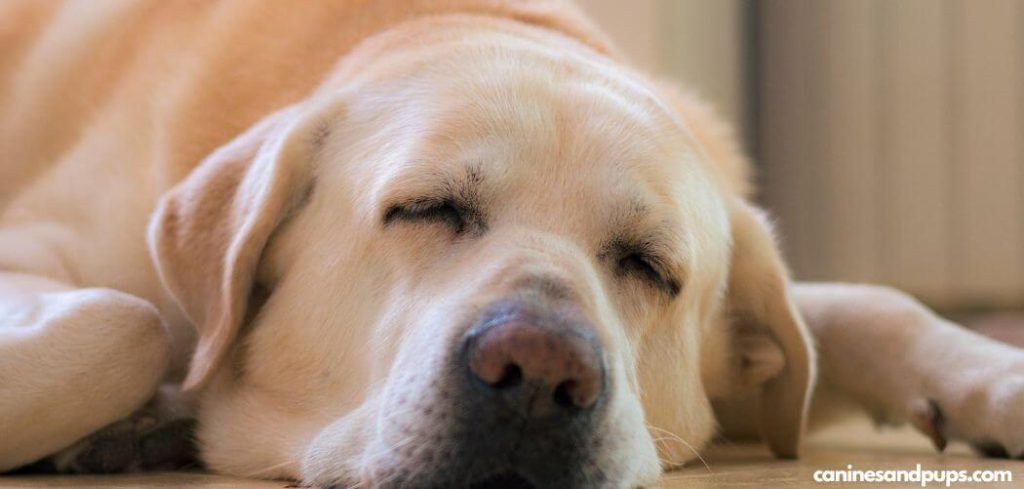
Dog Leaking Poop While Sleeping After Surgery: Causes
1. Temporary Effects of Anesthesia
Anesthesia can temporarily affect normal digestive activity and bowel movements. After surgery, some dogs take time to return to their usual toileting routine because of medication effects, fasting, reduced food intake, and changes in activity.
These changes more commonly cause delayed bowel movements or temporary stool changes rather than repeated, unnoticed leakage.
If your dog is passing feces while asleep, report it to the surgical team so they can determine whether it is related to recovery or something else.
Read more: Dog not peeing after surgery (Why it may happen)
2. Side Effects of Pain Medication
Some medications prescribed after surgery can affect the digestive system. Opioid pain medicines, for example, may slow intestinal movement and contribute to constipation.
Other medications or changes in diet may contribute to softer stools or diarrhea. If the stool becomes difficult to control, your dog may have accidents while resting.
Do not stop or change prescribed pain medication without speaking to the veterinarian. Give the surgical team the names and doses of all medications your dog is receiving.
Read more: Old dog poops in sleep (What it means)
3. Diarrhea or Soft Stool During Recovery
Some dogs develop soft stools or diarrhea after surgery because of stress, dietary changes, hospitalization, or medication effects.
Loose stool may be harder for a dog to hold until it reaches an appropriate place to defecate.
Small amounts may escape while the dog is relaxed or sleeping, particularly if bowel movements are frequent.
You may notice stool smearing on the bedding, repeated small bowel movements, mucus, or watery feces.
Persistent diarrhea after surgery should be reported to the veterinarian, especially if blood is present or your dog becomes unwell.
4. Reduced Bowel Control After Spinal or Nerve Surgery
If your dog has undergone spinal surgery or a procedure involving nerves that control the hindquarters, new fecal leakage may indicate impaired communication between the nervous system and the muscles responsible for controlling defecation.
The nerves involved help the dog recognize when it needs to poop and control the muscles that hold stool until an appropriate time.
What may be noticed is feces falling out without the dog seeming aware, or that a dog cannot control bowel movements when resting.
Other possible signs include hind-leg weakness, difficulty walking, changes in tail movement, or urinary problems.
New loss of bowel control after spinal or neurological surgery should be reported to the surgeon immediately.
5. Injury or Impaired Function of the Anal Sphincter
The anal sphincter is the muscle surrounding the anus that helps keep stool inside the rectum until a dog is ready to defecate.
If this muscle or the nerves controlling it are affected by an operation, injury, or inflammation, the dog may have difficulty holding stool.
Small amounts of formed poop may escape without warning, particularly when a dog is relaxed or sleeping. In some cases, the dog may also have difficulty controlling bowel movements while awake.
This possibility is particularly relevant if the operation involved the anus, rectum, pelvis, or nearby nerves and muscles.
6. Constipation With Stool Leakage
A dog that is constipated may occasionally pass small amounts of softer stool or liquid material around retained, hard feces. This can be mistaken for ordinary diarrhea or simple loss of bowel control.
After surgery, constipation may develop because of anesthesia, reduced food intake, pain medication, and decreased activity.
Other signs include repeated straining, passing small hard stools, discomfort when attempting to poop, or going longer than usual without a normal bowel movement.
If you suspect constipation with leakage, contact your veterinarian. Do not give laxatives, enemas, or stool softeners without veterinary instructions.
7. Abdominal or Intestinal Surgery Complications
If a dog has undergone surgery involving the intestines or abdomen, new abnormal bowel movements need particular attention.
Changes in digestion can occur during recovery, but stool leakage accompanied by worsening discomfort, vomiting, loss of appetite, abdominal swelling, or unusual weakness may indicate a complication.
The surgical team needs to know about any unexpected bowel changes, especially when the operation involved the digestive tract itself.
Do not assume that leakage is simply an effect of anesthesia if your dog has recently undergone intestinal surgery.
8. General Illness or Weakness After Surgery
A dog recovering from surgery may be weak, uncomfortable, or reluctant to get up and move. If it cannot reach its usual toilet area easily, it may pass stool while lying down.
However, this is different from true fecal incontinence, where the dog loses the ability to control or recognize bowel movements.
If your dog is too weak to stand, has difficulty walking, or seems unaware when stool passes, contact the veterinarian. These changes may require assessment of pain, mobility, neurological function, and general recovery.
Read more: Old dog leaking bladder (Causes and treatment)
Dog Leaking Poop While Sleeping After Surgery but Acting Normal
When a dog is eating, drinking, walking, and behaving normally but occasionally leaks small amounts of stool while sleeping, the problem may be related to temporary digestive changes or difficulty controlling bowel movements during recovery.
However, acting normally does not rule out a problem with the nerves or muscles responsible for bowel control.
Pay attention to whether the leakage involves small amounts of formed stool, soft feces, or watery diarrhea. Also note whether your dog seems aware when it happens or continues sleeping without noticing.
Report the episodes to the operating veterinarian, even if your dog otherwise appears comfortable.
Dog Leaking Poop While Sleeping After Spinal Surgery
Fecal leakage after spinal surgery deserves particular attention because the nerves responsible for bowel control may be affected by the original spinal problem or the operation.
Depending on the location and severity of the neurological condition, a dog may lose some ability to recognize when it needs to defecate or control the muscles surrounding the anus.
You may notice stool passing without warning, reduced tail movement, weakness in the hind legs, or changes in urination.
Contact the veterinary surgeon promptly if bowel control has changed after spinal surgery. Seek emergency assessment if your dog develops worsening hind-leg weakness, inability to stand, severe pain, or difficulty urinating.
Dog Leaking Poop While Sleeping After Surgery: What to Do
1. Contact the Operating Veterinarian
Let the surgical team know that your dog is passing stool involuntarily while sleeping. Explain when the leakage started, how frequently it happens, and whether your dog seems aware of it.
The type of surgery is particularly important because procedures involving the spine, pelvis, rectum, or intestines may have different recovery concerns.
2. Monitor the Stool
Pay attention to whether the leakage involves formed stool, soft poop, watery diarrhea, or small amounts of mucus.
Take photographs if possible and record how often the accidents occur. This information can help your veterinarian distinguish digestive changes from possible loss of bowel control.
3. Keep Your Dog Clean and Dry
Gently clean any stool from your dog’s rear end using lukewarm water and a soft cloth. Pat the area dry to reduce irritation.
Change soiled bedding promptly and check the surrounding skin for redness, sores, or inflammation.
4. Follow the Prescribed Recovery Diet
Continue feeding the diet recommended by your veterinarian. Avoid introducing new foods, supplements, fibre products, or homemade remedies without approval.
If your dog has diarrhea or constipation, the veterinarian may need to adjust the feeding plan or medication.
5. Keep Track of Other Bodily Functions
Monitor whether your dog is urinating normally, walking comfortably, eating, and responding as usual.
Pay particular attention to hind-leg movement, tail movement, and whether your dog appears aware when stool passes. Changes in these functions may provide important clues about possible nerve involvement.
6. Do Not Change Medication Without Veterinary Advice
Some postoperative medications affect bowel movements, but stopping pain relief or changing doses can interfere with recovery.
Give your veterinarian a list of all prescribed medicines and explain when the leakage started in relation to each medication.
When to Call or Visit Your Vet
Contact your operating veterinarian immediately whenever your dog develops new fecal leakage after surgery.
If the leakage is repeated or your dog seems unaware that it is happening, arrange an examination rather than assuming it is a temporary effect of anesthesia.
Seek emergency veterinary care if you notice:
Sudden loss of bowel control following spinal or pelvic surgery.
New or worsening hind-leg weakness.
Inability to stand or walk normally.
Difficulty urinating or inability to pass urine.
Repeated vomiting or a swollen, painful abdomen.
Blood in the stool or black, tar-like poop.
Severe diarrhea or signs of dehydration.
Extreme weakness, collapse, or difficulty waking.
An incision that opens, becomes increasingly swollen, or develops discharge.
If your dog has had intestinal surgery, report unexpected digestive changes to the surgical team immediately.
Treatment
Treatment depends on whether the leakage is caused by medication effects, diarrhea, constipation, impaired anal sphincter function, or neurological complications.
Your veterinarian will review the operation and medications, examine the abdomen and rectal area, and assess neurological function when appropriate.
Fecal testing, blood tests, abdominal X-rays, or spinal imaging may be recommended depending on the suspected cause.
Treatment may involve adjusting prescribed medication, managing diarrhea or constipation, treating an underlying digestive condition, or providing supportive care for impaired bowel control.
Key Takeaway
A dog leaking poop while sleeping after surgery may be experiencing temporary digestive changes, medication effects, constipation, diarrhea, or impaired bowel control.
The type of surgery makes a significant difference. If the operation involved the spine, pelvis, rectum, or nerves controlling the hindquarters, new fecal leakage deserves particular attention.
Although some bowel changes can occur during postoperative recovery, repeatedly passing stool without awareness should not automatically be considered normal.
Contact your dog’s surgical team so they can identify the cause and determine whether treatment is needed.


