
If your dog eats poop, you may have heard that adding pineapple to their food can make their stool taste unpleasant and discourage the behavior.
This idea has become a popular home remedy for coprophagia, the veterinary term for eating feces.
Some owners report that it helps, but pineapple should not be considered a proven or guaranteed way to stop a dog from eating poop.
Pineapple itself can be a safe occasional treat for many dogs when served correctly. However, too much can cause digestive upset because it contains natural sugars and fiber.
More importantly, simply adding pineapple to a dog’s diet does not address the reason the dog is eating feces in the first place.
If the behavior is persistent, sudden, or accompanied by other health changes, the underlying cause should be considered.
Table of Contents
Stopping a Dog From Eating Poop With Pineapple
Learning how to stop dog eating poop with pineapple starts with understanding that pineapple is intended as a possible stool-deterrent strategy, not a treatment for coprophagia itself.
The theory is that compounds in pineapple may alter the odor or taste of a dog’s stool after digestion, potentially making it less appealing. However, there is not strong veterinary evidence showing that pineapple consistently prevents dogs from eating their feces.
Coprophagia can be a normal exploratory behavior in puppies, a learned habit, or a form of scavenging.
In adult dogs, persistent or newly developed stool eating can sometimes occur alongside increased appetite, parasites, digestive problems, malabsorption, certain medications, or metabolic disease.
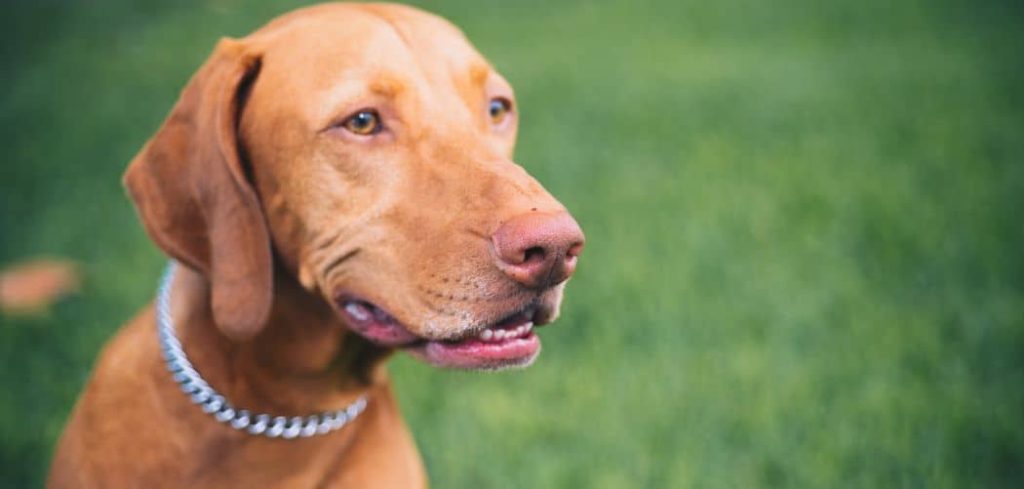
Does Pineapple Stop Dogs From Eating Poop?
Pineapple may help some dogs, but it does not work reliably for every dog.
There is no established veterinary recommendation that pineapple should be used as the primary treatment for coprophagia.
The idea is based largely on the possibility that eating pineapple changes the stool’s smell or taste enough to reduce its appeal.
If you decide to try pineapple, it should be viewed as an optional dietary approach rather than a guaranteed solution.
Environmental management and training are generally more dependable ways to reduce access to feces and interrupt the behavior.
Related: Dog eating poop side effects (Potential side effects)
How to Give Pineapple to a Dog That Eats Poop
If your veterinarian has no concerns about your dog eating pineapple, use plain, fresh pineapple flesh in a small amount.
Remove the tough skin and central core, and cut the fruit into small pieces. Fresh pineapple is preferable to canned pineapple in syrup because canned varieties can contain substantial added sugar.
Pineapple should remain an occasional treat rather than replacing a balanced dog food.
Introduce any new food gradually. If your dog develops diarrhea, vomiting, abdominal discomfort, or another digestive change after eating pineapple, stop giving it and contact your veterinarian if the symptoms persist or are significant.
How Much Pineapple Should You Give a Dog?
There is no well-established veterinary dose of pineapple proven to prevent coprophagia.
Rather than giving large amounts in an attempt to make the stool unappealing, keep pineapple as a small treat appropriate for your dog’s size and overall diet.
Feeding too much pineapple can itself cause digestive upset because of its fiber and natural sugar content.
More pineapple does not necessarily mean a greater chance of stopping poop eating.
Related: Dog eating poop and throwing up (Why it happens)
Why Pineapple May Not Stop Your Dog From Eating Poop
If your dog eats poop because of habit, scavenging, boredom, anxiety, or easy access to feces, changing the taste of the stool may not be enough to stop the behavior.
Dogs can also become highly motivated to eat feces regardless of taste. Once coprophagia has become a repeated habit, preventing access and teaching an alternative behavior can be more useful than relying on a food additive alone.
Related: Dog eating poop and has diarrhea (Causes and what to do)
Better Ways to Stop a Dog From Eating Poop
Pick Up Poop Immediately
Removing feces from the yard or living area is one of the simplest ways to prevent your dog from practicing the behavior.
The less opportunity your dog has to eat feces, the fewer chances there are for the habit to be reinforced. Environmental management is specifically recommended as part of managing coprophagia.
Supervise Your Dog After They Poop
Stay with your dog when they go outside rather than allowing them to immediately turn around and investigate the stool.
Once they finish, call them toward you and reward them for coming away from the feces. Over time, this can create a routine in which eliminating is followed by coming to you rather than returning to the stool.
Teach “Leave It”
A reliable leave it cue can be useful for dogs that try to eat feces during walks or in the yard.
Start by teaching the cue with ordinary objects or treats in a controlled setting. Once your dog understands it, the behavior can gradually be practiced around more distracting situations.
Avoid turning poop eating into a chase, because chasing a dog can sometimes make the interaction more exciting.
Avoid Punishment
Harsh punishment can make the problem harder to manage.
Some dogs may become anxious around elimination or learn to eat their feces quickly to prevent their owners from finding it.
Staying calm and redirecting the dog toward another behavior is a better approach. Behavioral and environmental factors can contribute to coprophagia.
Provide More Enrichment
Boredom and limited enrichment can contribute to unwanted repetitive behaviors in some dogs.
Regular exercise, appropriate play, training sessions, food puzzles, and opportunities to sniff and explore can provide alternatives to scavenging.
Enrichment should be appropriate for the dog’s age, health, and physical abilities.
When to Consider a Medical Cause
Puppies may eat feces as part of normal exploration, and many dogs that eat poop do not have an underlying disease.
However, a medical evaluation is more important when an adult dog suddenly begins eating feces or when the behavior is persistent and accompanied by other changes.
Potential medical contributors can include intestinal parasites, digestive or absorption problems, increased appetite, diabetes, Cushing’s disease, thyroid disease, certain medications, or an inadequate calorie intake.
Signs such as weight loss, chronic diarrhea, vomiting, unusual hunger, poor body condition, or changes in appetite should not simply be attributed to a behavioral habit.
Related: Dog Eating Poop and Farting (Here’s why)
When to Call or Visit the Vet
Talk with your veterinarian if your dog’s poop eating is persistent, suddenly develops in adulthood, or occurs alongside other health changes.
A veterinary visit is particularly appropriate if your dog has:
Unexplained weight loss
Persistent diarrhea or abnormal stools
Repeated vomiting
A dramatic increase in appetite
Excessive thirst or urination
Poor growth in a puppy
Weakness or unusual tiredness
Signs of intestinal parasites
Other sudden changes in behavior or health
A strong or persistent increase in scavenging behavior
A veterinarian can determine whether fecal testing, bloodwork, dietary assessment, or other testing is appropriate based on the dog’s symptoms and history.
What to Consider About Pineapple Use
There is no specific medical treatment consisting of pineapple that is proven to cure coprophagia. If an underlying health problem is identified, treatment is directed at that condition.
For dogs that are otherwise healthy, management generally centers on preventing access to feces, supervising elimination, teaching cues such as “leave it” and recall, rewarding the dog for moving away from stool, and addressing behavioral or environmental factors that may be maintaining the habit.
Pineapple can be used as an occasional treat if your dog tolerates it, but it should be considered an optional addition rather than the main solution.
Key Takeaway
Pineapple is sometimes recommended for dogs that eat poop because of the theory that it may make feces less appealing after digestion.
However, there is limited evidence that pineapple reliably stops coprophagia, so it should not be presented as a guaranteed remedy.
If you want to try pineapple, use small amounts of plain, fresh flesh with the skin and core removed, and stop if it causes digestive upset.
The more dependable approach is to prevent access to feces, supervise your dog after elimination, reward them for coming away from the stool, and consistently reinforce behaviors such as “leave it.”
If an adult dog suddenly starts eating poop or the behavior occurs with weight loss, diarrhea, vomiting, increased hunger, or other health changes, a veterinary examination is more appropriate than relying on pineapple alone.


