
Coprophagia in dogs is the term used for eating feces (poop). It can involve a dog eating its own feces or the feces of another animal.
A dog eating poop and farting may simply have a combination of coprophagia and normal intestinal gas, but frequent or unusually foul-smelling gas can also indicate that the digestive system is being irritated.
Some dogs may pass more gas after eating feces, while others may already have digestive changes that contribute to both the stool-eating behavior and increased flatulence.
Occasional gas is normal in dogs, and eating poop does not automatically mean a dog is sick. However, when poop eating occurs with persistent farting, diarrhea, vomiting, weight loss, changes in appetite, or unusually soft or poorly digested stools, it is worth looking beyond the behavior itself.
The overall pattern can provide clues about whether the problem is primarily behavioral or related to digestion.
Table of Contents
Dog Eating Poop and Farting: Why It Happens
A dog eating poop and farting may have increased intestinal gas from what the dog has eaten, normal bacterial fermentation in the colon, swallowed air, or an underlying digestive problem.
Dogs naturally investigate and scavenge with their mouths, and coprophagia is particularly common in some puppies.
Medical conditions that cause gastrointestinal upset, poor nutrient absorption, or increased appetite can also contribute to stool eating.
At the same time, intestinal gas can increase when bacteria ferment certain carbohydrates and fibers or when a dog swallows more air, such as from eating quickly.
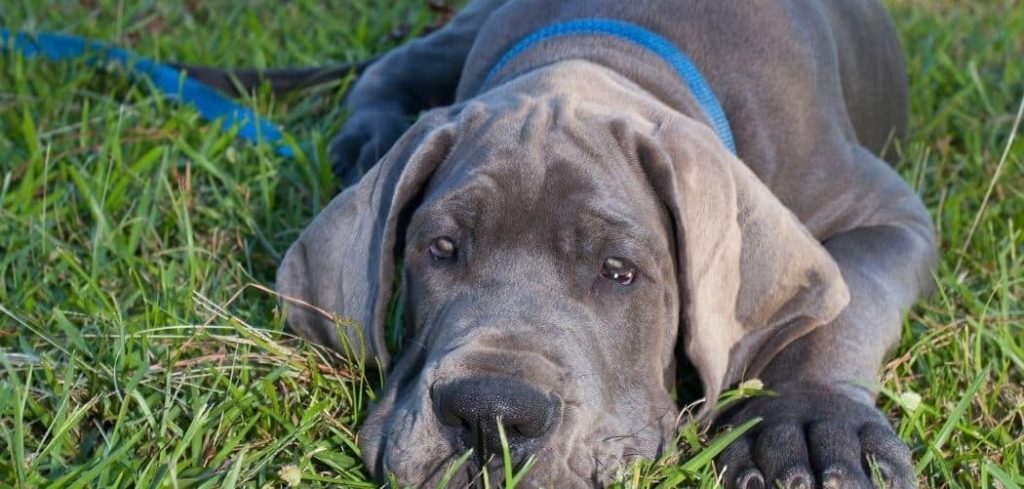
Dog Eating Poop and Farting: Common Causes
Coprophagia and Normal Scavenging
Some dogs eat feces simply because they find it interesting or appealing.
Puppies may investigate and eat stool as part of normal exploratory behavior, and some adult dogs develop the habit through repeated scavenging.
If the dog otherwise has normal stools, appetite, weight, energy, and digestion, the poop eating may be primarily behavioral rather than a sign of disease.
The farting may be unrelated and simply reflect normal intestinal gas.
Related: Dog eating poop side effects (Potential side effects)
Eating Poop Can Temporarily Upset the Digestive System
Eating feces can introduce unfamiliar material and microorganisms into the digestive tract.
Some dogs may experience temporary digestive upset afterward, which can include increased gas or changes in stool consistency.
This does not mean every episode of coprophagia will cause flatulence. Many dogs eat feces without developing obvious digestive symptoms.
Diet and Food Fermentation
Diet is one of the common reasons a dog may have excessive gas. Bacteria in the colon ferment carbohydrates and certain types of fiber, producing gas as part of the process.
Some dietary ingredients may contribute more to flatulence in individual dogs. A recent food change, eating table scraps, overeating, or consuming unusual foods can also upset digestion.
If the farting began around the same time as a dietary change, the food itself may be more relevant than the poop eating.
Related: Dog eating poop and has diarrhea (Causes and what to do)
Eating Too Quickly and Swallowing Air
Some dogs swallow considerable amounts of air while eating, particularly when they eat very quickly.
That swallowed air can eventually leave the digestive tract as gas. Dogs that gulp food may therefore fart frequently even when their digestive system is otherwise healthy.
Poor Digestion or Nutrient Absorption
A dog that eats poop and has frequent gas may sometimes have an underlying digestive problem that affects how food is processed or absorbed.
Exocrine pancreatic insufficiency and some intestinal diseases can cause poor digestion or absorption.
Dogs with these problems may develop chronic diarrhea, weight loss, altered appetite, and unusually abnormal stools. Some dogs with malabsorption may also eat feces.
This possibility becomes more important if your dog is losing weight despite eating normally or has persistently abnormal stools.
Related: Dog eating poop and throwing up (Why it happens)
Intestinal Parasites
Parasites can contribute to gastrointestinal upset and may also play a role in coprophagia.
A dog with intestinal parasites may have diarrhea, soft stools, poor weight gain, an altered appetite, or other digestive changes, although some infected dogs show few obvious symptoms.
Stool testing can help identify many intestinal parasites.
If a dog repeatedly eats feces, the behavior can also increase opportunities for exposure to organisms passed through stool.
Gastrointestinal Disease
Digestive diseases can produce combinations of diarrhea, abnormal stools, gas, vomiting, abdominal discomfort, appetite changes, and weight loss.
Possible causes include dietary intolerance, intestinal inflammation, intestinal dysbiosis, parasites, foreign material, obstruction, and disorders affecting digestion or absorption.
Not every dog with gas has gastrointestinal disease, but persistent gas combined with other digestive symptoms deserves more attention.
Increased Appetite From an Underlying Condition
Some medical conditions can cause a dog to become unusually hungry. Increased appetite may make scavenging behaviors such as eating feces more persistent.
If your dog is eating poop while also acting constantly hungry, losing weight, drinking more water, or urinating more frequently, a veterinarian may need to investigate the reason for the appetite change.
Bacterial Changes in the Intestines
The normal bacteria living in the intestines play an important role in digestion and gas production.
Changes in the intestinal environment can alter fermentation and contribute to increased gas.
Intestinal dysbiosis is one of the conditions associated with gastrointestinal disease and may occur alongside diarrhea or other digestive abnormalities.
Dog Eating Poop and Farting but Acting Normal
If your dog eats poop and farts but remains active, has a normal appetite, maintains a healthy weight, and has normally formed stools, the combination may not indicate a serious illness.
Some intestinal gas is normal, and coprophagia can occur in otherwise healthy dogs.
However, farting that becomes much more frequent than usual or is accompanied by diarrhea, weight loss, vomiting, or other digestive changes should not automatically be dismissed as a behavioral issue.
Dog Eating Poop and Farting With Diarrhea
Diarrhea makes a gastrointestinal explanation more important to consider.
Parasites, dietary problems, intestinal inflammation, infections, malabsorption, and other digestive disorders can produce diarrhea and increased gas.
Some of these same conditions may contribute to coprophagia, particularly when the dog has increased appetite or poorly digested stools.
Persistent diarrhea should be evaluated, especially when accompanied by weight loss, vomiting, dehydration, blood in the stool, or reduced energy.
Dog Eating Poop and Farting With Bad-Smelling Gas
Foul-smelling gas does not necessarily mean that a dog has a serious disease.
The odor of intestinal gas comes partly from sulfur-containing gases produced during digestion and bacterial activity. Diet can strongly influence the smell of flatulence.
However, unusually foul gas that is persistent and occurs with diarrhea, weight loss, poor appetite, vomiting, or abnormal stools is more concerning for an underlying gastrointestinal problem.
Related: Dog Eating Poop at Night (Here’s why and what to do)
When to Call or Visit the Vet
Contact your veterinarian if your dog’s poop eating and farting are persistent, suddenly develop, or occur alongside other changes.
Veterinary assessment is especially appropriate if your dog has:
Persistent or worsening flatulence
Chronic or recurring diarrhea
Repeated vomiting
Weight loss despite eating normally
Poor growth in a puppy
A major increase or decrease in appetite
Unusually soft, greasy, very large, or poorly digested stools
Blood in the stool or black, tarry stool
Abdominal pain or significant bloating
Weakness or unusual lethargy
Signs of dehydration
A sudden change in bowel habits
Severe abdominal swelling, repeated unsuccessful attempts to vomit, significant abdominal pain, collapse, or severe weakness requires prompt veterinary attention because serious gastrointestinal conditions can sometimes cause gas and abdominal distention.
Dog Eating Poop and Farting: Treatment
Treatment depends on whether the dog has an underlying digestive problem or is primarily displaying behavioral coprophagia.
A veterinarian may perform a physical examination, review the dog’s diet and stool characteristics, and recommend fecal testing for parasites.
Bloodwork or additional digestive testing may be appropriate when there is weight loss, chronic diarrhea, poor digestion, or another concerning finding.
If an underlying disease is identified, treatment is directed at that condition; if the dog is otherwise healthy, managing coprophagia generally involves preventing access to feces, immediately cleaning up after elimination, supervising the dog outdoors, and rewarding the dog for moving away from the stool.
Key Takeaway
A dog eating poop and farting may simply have a behavioral habit combined with normal intestinal gas.
Coprophagia is common in some dogs, particularly puppies, while flatulence can occur normally because of swallowed air and bacterial fermentation of food.
The combination deserves more attention when the gas is persistent or occurs with diarrhea, vomiting, weight loss, abnormal stools, increased appetite, or poor growth.
In those situations, a veterinarian can determine whether parasites, dietary problems, poor digestion, or another gastrointestinal condition is contributing to the symptoms.


