
Dog mucus eye discharge is one of the most noticeable and concerning symptoms because it often appears suddenly, looks uncomfortable, and may signal anything from simple irritation to a more serious eye condition.
We outline the common causes of mucus eye discharge in dogs, what you can do, and when to seek veterinary care.
Table of Contents
Dog Mucus Eye Discharge: Why It Happens
Dog mucus eye discharge happens when the eye becomes irritated, inflamed, or unable to drain tears normally, leading to thicker secretions and visible buildup. Many cases stem from conditions like conjunctivitis, allergies, tear duct problems, dry eye, corneal injuries, and infections that affect the eyelids or tear glands.
These issues cause the eye to produce thicker mucus as a response to irritation or to compensate for poor tear flow.
You may also notice a sticky or stringy discharge, redness, pawing at the eye, or a sudden increase in cleaning needs.
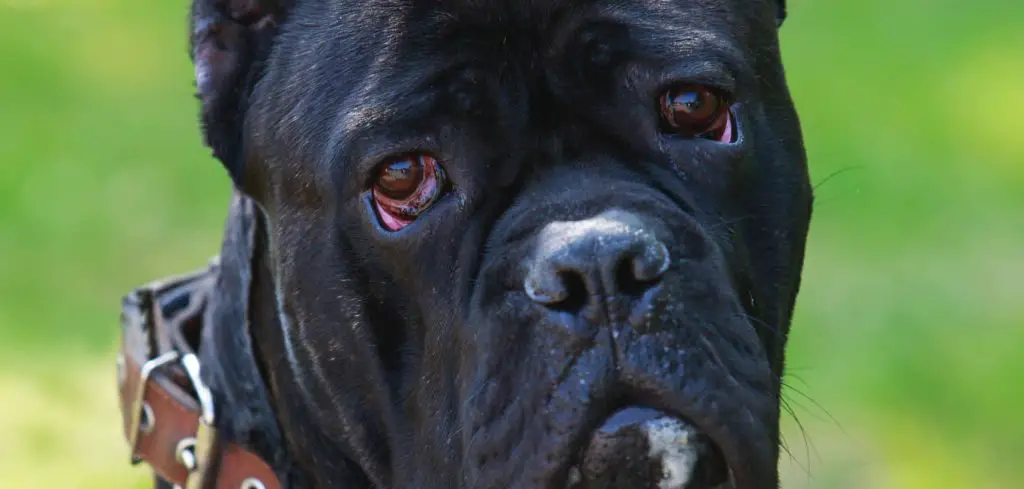
Normal Dog Eye Discharge
A small amount of clear or slightly brown eye discharge is normal in many dogs. This discharge helps remove dust, debris, and dead cells from the surface of the eye and often collects in the corners of the eyes as “eye boogers.”
Some breeds with prominent eyes, facial folds, or long facial hair may produce more discharge than others.
Normal discharge should be minimal, not cause redness or swelling, and should not affect the dog’s vision or comfort.
If the discharge suddenly increases, changes color, or is accompanied by squinting, redness, or pawing at the eyes, it may indicate an underlying eye problem that requires veterinary attention.
Why Does My Dog Have Eye Boogers All of a Sudden?
A sudden increase in eye boogers can occur when the eyes become irritated by dust, pollen, smoke, wind, or other environmental factors.
Allergies, mild eye infections, blocked tear ducts, and minor injuries can also cause the eyes to produce more discharge than usual. In some cases, excessive discharge develops because the eye is trying to flush out an irritant.
If the eye boogers are occasional and the eyes otherwise look normal, the issue may be temporary.
However, persistent discharge, redness, swelling, squinting, or signs of discomfort should be evaluated by a veterinarian to rule out infection or eye disease.
Dog Mucus Eye Discharge: Common Causes
Conjunctivitis (Pink Eye)
Conjunctivitis is one of the most common reasons for dog mucus eye discharge, and it occurs when the conjunctiva—the thin tissue lining the eyelid—becomes inflamed.
This inflammation can result from allergies, infections, irritants, or foreign materials entering the eye. When the tissue swells and becomes irritated, the eye produces mucus as a protective response.
Dogs with conjunctivitis often show redness, blinking more than usual, or rubbing their face on furniture or carpet for relief.
Mucus from conjunctivitis may appear clear in mild cases but often becomes yellow or green if bacteria are involved.
This is significant because bacterial conjunctivitis requires medical treatment, and delaying care can cause discomfort or spread the infection.
Read more: Old dog eye discharge (What it means and when to worry)
Allergies
Seasonal allergies, food sensitivities, and environmental triggers like dust or mold can all cause mucus eye discharge in dogs. When allergens irritate the surface of the eye, the immune system responds with inflammation and excess tear production.
As the tears mix with debris and proteins, they can thicken into a mucus-like consistency that gathers in the corners of the eyes.
Allergic eye discharge is often accompanied by other symptoms such as itching, watery eyes, sneezing, or skin irritation. Some dogs develop chronic patterns where their eye discharge worsens during certain times of the year or after exposure to specific irritants.
While allergies themselves are not typically dangerous, they can cause persistent discomfort and may leave the eyes vulnerable to secondary infections if the skin around the eyelids becomes irritated from rubbing.
Dry Eye (Keratoconjunctivitis Sicca)
Dry eye occurs when the tear glands do not produce enough tears to keep the eye properly lubricated.
Without adequate moisture, the eye becomes irritated, and the body compensates by generating thick mucus or pus-like discharge. This mucus is essentially the eye’s attempt to protect itself, but it often leads to crusting, redness, and visible discomfort.
Dry eye is a serious condition because it can cause corneal ulcers, chronic infections, and even vision loss if untreated. Dogs may blink excessively, avoid bright lights, or keep one eye partially closed to reduce irritation.
Some breeds—such as Shih Tzus, Bulldogs, Cocker Spaniels, and Pugs—are especially prone to dry eye due to anatomy or autoimmune conditions that affect tear production.
Blocked Tear Ducts
Tear ducts allow tears to drain properly from the eye and into the nasal cavity. When these ducts become blocked or narrowed, tears overflow onto the face.
Over time, this constant tear overflow mixes with debris, forming thicker, mucus-like discharge near the inner corners of the eyes. You may notice wetness staining the fur, crusting around the eyelids, and a persistent need to wipe the area.
Blocked tear ducts can occur from inflammation, infection, prior injury, or structural issues in certain breeds. While not always painful, the blockage can lead to chronic irritation and increase the risk of secondary infections if the skin around the eye becomes irritated.
Corneal Injuries
Scratches, ulcers, and abrasions on the cornea can all result in mucus eye discharge. The cornea is very sensitive, and even a minor injury triggers significant inflammation.
As the body attempts to heal the area, discharge thickens and becomes more noticeable. Dogs with corneal injuries often squint, blink rapidly, or keep the affected eye partially closed.
They may also show sensitivity to light or try to paw at the eye due to discomfort. Corneal injuries are serious because untreated ulcers can worsen quickly and may lead to infections or permanent scarring.
Immediate veterinary care is important because early treatment leads to faster healing and prevents more serious complications.
Eye Infections
Bacterial, viral, and fungal infections can all lead to mucus eye discharge in dogs. These infections often develop after an injury, allergy flare-up, or exposure to contagious conditions.
Infected eyes typically produce thicker, yellow, green, or brown discharge. The eyelids may appear swollen, and the dog might rub or scratch the area frequently.
Eye infections require prompt veterinary treatment because they can worsen rapidly and spread to deeper eye structures if left untreated.
In some cases, infections may also accompany systemic symptoms such as fever, lethargy, or loss of appetite, signaling a more widespread health issue.
Dog Has White Mucus Discharge in Eyes
While white discharge is sometimes less urgent than yellow or green mucus, it can still indicate an underlying issue that needs attention, especially if it persists or is accompanied by redness or discomfort.
Read more: Old Dog Eyes (Common eye problems explained)
Green Dog Mucus Eye Discharge
Green mucus-like discharge from a dog’s eye is not considered normal and often suggests an infection or significant inflammation.
The discharge may be thick, sticky, and accompanied by redness, swelling, squinting, or excessive tearing.
Bacterial infections, severe irritation, corneal ulcers, and other eye conditions can all lead to green discharge.
Because eye infections can worsen quickly and potentially affect vision, dogs with green eye discharge should be examined by a veterinarian. Immediate treatment can help prevent complications and relieve discomfort.
Yellow Dog Mucus Eye Discharge
Yellow mucus eye discharge in dogs is usually a sign of infection, inflammation, or irritation affecting the eye.
The discharge may appear thick, sticky, and accumulate around the eyelids or corners of the eyes.
Common causes include bacterial infections, conjunctivitis, blocked tear ducts, dry eye, or irritation from a foreign object.
Dogs with yellow discharge may also show redness, squinting, excessive tearing, or pawing at the affected eye.
Because eye problems can worsen quickly, persistent yellow discharge should be evaluated by a veterinarian. Early diagnosis and treatment help prevent complications that could affect vision.
Yellow Green Dog Eye Discharge
Yellow-green eye discharge usually indicates the presence of pus, which is commonly associated with bacterial infection or significant eye inflammation.
Dogs with this type of discharge may also have red eyes, swollen eyelids, excessive blinking, or sensitivity to light.
In some cases, foreign objects, eye injuries, dry eye, or underlying eye disease can contribute to the development of yellow-green discharge.
Veterinary evaluation is important because eye conditions can progress rapidly if left untreated.
Dog Eye Discharge Home Remedy
For mild eye discharge, gently wiping the area around the eye with a clean, soft cloth dampened with warm water can help remove accumulated debris and keep the eye area clean.
Keeping facial hair trimmed away from the eyes and avoiding exposure to irritants such as smoke, dust, or strong chemicals may also reduce minor irritation.
However, home care is only appropriate for mild, temporary discharge. Do not use human eye drops or medications unless specifically directed by a veterinarian.
If the discharge becomes thick, colored, excessive, or is accompanied by redness, swelling, or squinting, professional veterinary care is needed.
When to Call or Visit Your Vet
Seek veterinary care immediately if the discharge becomes thick, green, yellow, or foul-smelling, as this often signals an infection that needs prompt treatment.
Contact your vet if your dog is squinting, pawing at the eye, or showing signs of pain, since these behaviors may indicate a corneal injury or ulcer.
Redness, swelling, or sudden cloudiness in the eye should also be evaluated quickly because structural changes can progress rapidly and threaten vision.
If mucus eye discharge continues for more than 24–48 hours, even if mild, it’s best to have your veterinarian check for underlying causes such as blocked tear ducts, dry eye, or allergies.
Immediate care is especially important for dogs with bulging eyes, flat faces, or breeds prone to eye problems, as complications can escalate faster in these dogs.
Dog Mucus Eye Discharge: Treatment
Treatment for mucus eye discharge depends on the underlying cause. The veterinarian will examine the eye and may perform tests to check for infection, dry eye, corneal ulcers, blocked tear ducts, or other eye diseases.
Identifying the exact cause is important because different conditions require different treatments.
Treatment may include medicated eye drops, antibiotic ointments, anti-inflammatory medications, artificial tears for dry eye, or treatment of an underlying eye injury or disease.
Most dogs improve significantly with prompt treatment, but delaying care can increase the risk of pain, chronic eye problems, or vision loss.
Key Takeaway
Dog mucus eye discharge can range from mild irritation to signs of a more serious eye condition, and understanding the possible causes helps ensure your dog gets the right care.
Cleaning the area gently, reducing irritation, and monitoring symptoms can help in the early stages, but persistent or colored discharge should be evaluated by a veterinarian promptly.
The sooner you identify the cause, the easier it is to protect your dog’s comfort and vision. If your dog’s eyes seem painful, inflamed, or produce ongoing mucus, it’s always safest to seek professional guidance so treatment can begin right away.