
Watching your senior dog recover after heartworm treatment can be an emotional experience.
Many owners worry when their older dog seems tired, less interested in food, sleeps more than usual, or behaves differently than before treatment.
While some changes are expected as the body heals, others may indicate complications that require immediate veterinary attention.
Heartworm treatment places significant stress on a dog’s body, especially in older dogs who may already have age-related health conditions.
Understanding what behaviors are considered normal during recovery—and which are not—can help you support your dog’s healing and know when it’s time to call your veterinarian.
Table of Contents
Old Dog Behavior After Heartworm Treatment: Changes and Why It Happens
A dog may seem quieter, sleep more, eat less, appear less playful, or behave differently after heartworm treatment because the body is recovering from inflammation, dead heartworms, medication effects, and the healing process inside the heart and lungs.
Recovery can take weeks to months, particularly in senior dogs whose bodies may recover more slowly.
While mild lethargy and reduced activity are often expected, sudden worsening, breathing problems, collapse, or severe weakness should never be ignored.
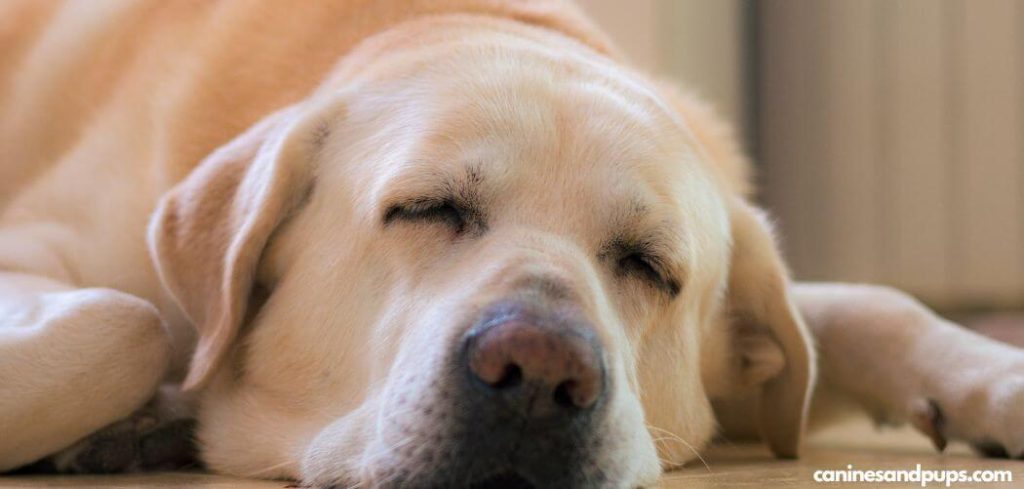
Behavior changes after heartworm treatment can vary depending on your dog’s age, overall health, and how advanced the heartworm disease was before treatment.
Common symptoms include:
Sleeping more than usual
Low energy or lethargy
Reduced interest in exercise or play
Mild decrease in appetite
Moving more slowly
Increased desire to rest
Mild coughing during recovery
Temporary anxiety or clinginess
Old Dog Behavior After Heartworm Treatment: Common Causes
Normal Recovery from Adult Heartworm Treatment
The medication used to kill adult heartworms causes the worms to die gradually. As they break down, the body must remove them through the bloodstream and lungs.
This process naturally creates inflammation, making many older dogs seem tired and less active.
Most dogs improve gradually over several weeks if strict activity restriction is followed. Mild lethargy during this period is generally expected.
Read more: Dog hacking cough and congestive heart failure (Why it happens)
Inflammation in the Lungs
As dead worms are absorbed, small blood vessels in the lungs can become inflamed. This may cause your dog to breathe a little faster, cough occasionally, or prefer resting over activity.
Senior dogs often experience more noticeable fatigue because aging lungs and hearts may already have reduced reserve. Mild inflammation is expected, but worsening breathing should always be evaluated.
Side Effects of Medications
Many dogs receive medications such as corticosteroids, antibiotics, pain medication, or heartworm preventives during treatment. Some of these medications can temporarily change behavior.
Older dogs may become sleepier, drink more water, urinate more frequently, or have mild digestive upset.
These side effects usually improve as medications are reduced or discontinued under veterinary guidance.
Strict Exercise Restriction
One of the most important parts of heartworm recovery is limiting activity. Running, jumping, or excitement can increase the risk of dead worms causing dangerous blockages within the lungs.
Because senior dogs are naturally less active, owners sometimes mistake enforced rest for illness. However, boredom, frustration, or mild restlessness can also occur when active dogs are suddenly confined.
Underlying Senior Health Problems
Older dogs recovering from heartworm treatment may also have arthritis, kidney disease, heart disease, cognitive dysfunction, or other age-related conditions that influence their behavior.
Recovery from heartworm treatment can temporarily make these existing problems more noticeable.
Your veterinarian may recommend additional monitoring if behavior changes continue longer than expected.
Pulmonary Thromboembolism
One of the most serious complications after heartworm treatment occurs when fragments of dead worms block blood vessels within the lungs.
This condition, known as pulmonary thromboembolism, can develop despite careful treatment.
Dogs may suddenly become extremely weak, breathe rapidly, cough persistently, refuse food, or collapse. This is considered an emergency requiring immediate veterinary care.
Ongoing Heart or Lung Damage
Some dogs have permanent damage from long-standing heartworm infection before treatment even begins.
Scar tissue and changes within the heart and lungs may continue to affect energy levels after the parasites have been eliminated.
These dogs may recover more slowly and require long-term management to maintain a good quality of life.
Another Unrelated Illness
Not every behavior change after heartworm treatment is caused by the treatment itself.
Senior dogs remain susceptible to infections, cancer, endocrine disorders, neurological disease, and many other conditions.
If your old dog suddenly develops unusual behaviors weeks or months after treatment, your veterinarian may investigate causes unrelated to heartworm disease.
Read more: Old Dog Heart Murmur Life Expectancy
Old Dog Behavior After Heartworm Treatment: What to Do
The most important thing you can do is carefully follow your veterinarian’s exercise restriction instructions. Even if your dog seems to feel better after a few days, excessive activity can increase the risk of serious complications while dead heartworms are being cleared from the lungs.
Provide a quiet, comfortable place for your dog to rest and avoid situations that may encourage running, jumping, or excitement. Short leash walks for bathroom breaks are usually recommended, but always follow your veterinarian’s specific guidance.
Monitor your dog’s appetite, breathing, energy level, coughing, and overall behavior each day. Keeping a simple diary of any changes can help identify gradual improvement or worsening symptoms and provide valuable information during follow-up appointments.
Ensure fresh water is always available and encourage your dog to eat unless your veterinarian has advised otherwise. If your dog refuses food for more than a day, develops vomiting, or seems increasingly weak, contact your veterinarian.
Avoid giving human medications or changing prescribed medications without veterinary approval, as some drugs can interfere with recovery or worsen heart and lung problems.
When to Call or Visit the Vet
Although some behavior changes are expected, it is important to watch closely for signs that recovery is not progressing normally.
Schedule an appointment if you notice:
Lethargy lasting longer than expected
Persistent coughing that is not improving
Reduced appetite lasting more than 24 hours
Weight loss
Mild breathing changes
Ongoing weakness
Behavioral changes that continue to worsen
Difficulty completing normal daily activities
Seek emergency veterinary attention immediately if your dog develops:
Collapse or fainting
Severe difficulty breathing
Rapid or labored breathing
Coughing up blood
Blue, gray, or pale gums
Sudden inability to stand
Extreme weakness
Severe distress or unresponsiveness
Veterinary Treatment
Veterinary assessment begin with review of your dog’s recovery timeline, medications, and recent behavior changes. This includes a thorough physical examination including listening to the heart and lungs, checking of gum color, measurement of temperature, and assessment of hydration and overall body condition.
Depending on your dog’s symptoms, diagnostic testing may include chest X-rays, blood tests, heartworm follow-up testing, pulse oximetry, blood pressure measurement, or ultrasound examinations of the heart if cardiac disease is suspected.
Treatment depends on the underlying cause. Dogs experiencing normal recovery may simply require continued monitoring and strict exercise restriction. Those with medication side effects may have adjustments made to their treatment plan.
If complications such as pulmonary thromboembolism, pneumonia, heart failure, or severe inflammation are suspected, hospitalization, oxygen therapy, intravenous fluids used carefully, anti-inflammatory medications, or additional supportive care may be necessary.
Recovery and Monitoring
Recovery after heartworm treatment varies widely among senior dogs. Some begin acting more like themselves within a few weeks, while others require several months before energy levels gradually improve.
Continue monitoring breathing rate, appetite, activity level, coughing frequency, and overall comfort throughout the recovery period. Small improvements over time are generally encouraging.
Follow-up veterinary appointments are an important part of successful recovery. Your veterinarian may recommend repeat heartworm testing, imaging, or physical examinations to ensure healing is progressing appropriately.
Some older dogs with permanent heart or lung damage may never return completely to their previous activity level. Even so, many can enjoy a comfortable and happy life with appropriate long-term management, regular veterinary care, and prevention of future heartworm infections.
Key Takeaway
Old dog behavior after heartworm treatment often reflects the body’s natural healing process. Increased sleep, lower energy levels, and temporary changes in appetite are commonly seen as the heart and lungs recover from the effects of the infection and treatment.
However, persistent lethargy, worsening breathing problems, collapse, or sudden behavioral changes should never be dismissed as simply “old age.”
With careful home monitoring, strict exercise restriction, and regular veterinary follow-up, many senior dogs recover successfully and regain a good quality of life.
If your dog’s symptoms persist, worsen, or you are ever unsure whether a behavior change is normal, contact your veterinarian promptly for guidance.


