
It can be alarming to see your dog suddenly leaning to one side while walking. Some dogs drift to the left or right, appear unsteady on their feet, or seem unable to walk in a straight line.
While mild balance problems may improve with treatment, leaning to one side is not considered a normal behavior and often indicates a problem affecting the ears, brain, nerves, muscles, or joints.
Immediate veterinary evaluation is important, especially if the symptom develops suddenly.
Table of Contents
Dog Leaning to One Side When Walking: Why It Happens
A dog may lean to one side when walking because of vestibular disease, an ear infection, a stroke, a brain tumor, arthritis, spinal disease, or another neurological or orthopedic condition.
Observing whether the leaning occurs suddenly or gradually and whether other symptoms are present can help identify the underlying cause.
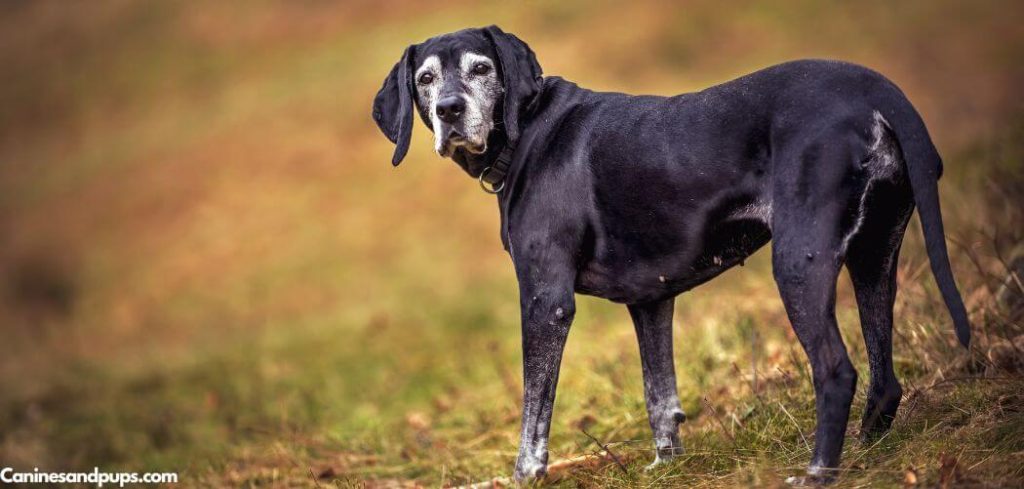
Symptoms include:
Leaning to one side
Walking sideways
Loss of balance
Head tilt
Stumbling
Falling
Circling
Weakness
Dog Leaning to One Side When Walking: Common Causes
Vestibular Disease
One of the most common causes of leaning to one side is vestibular disease.
The vestibular system, located within the inner ear and brain, controls balance and body position.
When it becomes affected, dogs often lose their sense of balance and lean toward the affected side while walking.
Many dogs also develop a head tilt, rapid eye movements (nystagmus), stumbling, circling, nausea, or vomiting. The symptoms usually appear suddenly and can be dramatic.
Idiopathic vestibular disease is especially common in older dogs and often improves within several days to a few weeks with supportive care.
Related: Old Dog Vestibular Disease (Signs, causes and treatment)
Inner Ear Infection
An infection deep within the ear can also interfere with balance. When bacteria or yeast spread into the middle or inner ear, inflammation affects the structures responsible for maintaining equilibrium.
Dogs often lean toward the infected side and may shake their head or scratch at the affected ear.
Other signs include ear discharge, a foul odor, head tilt, pain when the ear is touched, or hearing loss.
Inner ear infections require prompt veterinary treatment to prevent permanent damage.
Stroke
Although strokes are less common in dogs than in people, they can occur.
A stroke interrupts blood flow to part of the brain, leading to sudden balance problems and weakness. Dogs may lean to one side, stumble, fall, or appear disoriented.
Unlike vestibular disease, some dogs also develop weakness affecting one side of the body, vision changes, or altered awareness.
Any sudden loss of balance should be treated as an emergency until the cause has been determined.
Brain Tumor
Brain tumors become more common as dogs age. A tumor affecting the areas of the brain responsible for coordination can gradually cause leaning, circling, balance problems, and difficulty walking.
Other signs include seizures, personality changes, head pressing, vision loss, or increasing confusion.
Because symptoms often worsen slowly over weeks or months, early veterinary evaluation provides the best opportunity for diagnosis and treatment.
Read more: Dog suddenly limping front leg (Causes and treatment)
Arthritis or Joint Pain
Painful joints can make dogs shift their weight unevenly. Severe arthritis affecting the hips, knees, spine, or hocks may cause a dog to lean away from the painful side while walking.
Unlike neurological diseases, these dogs usually remain mentally alert and do not develop abnormal eye movements.
Other signs include stiffness after resting, reluctance to climb stairs, limping, slower walks, or difficulty standing.
Arthritis is especially common in senior dogs and often responds well to pain management.
Spinal Disease
Problems affecting the spine can interfere with normal movement. Intervertebral disc disease, spinal arthritis, nerve compression, or spinal injuries may cause weakness that makes a dog lean while walking.
Some dogs drag their feet, stumble, or cross their legs because the nerves controlling movement are affected.
Pain when the back or neck is touched may also be present.
Prompt diagnosis is important because some spinal conditions worsen without treatment.
Muscle Weakness or Neuromuscular Disease
Generalized weakness can also cause leaning. Conditions affecting the muscles or nerves, such as degenerative diseases, metabolic disorders, or certain autoimmune conditions, may reduce a dog’s ability to support their weight evenly.
Dogs often tire easily, have difficulty rising, or appear wobbly after exercise.
These conditions usually require thorough veterinary evaluation and long-term management.
Read more: My Dog Is Walking Sideways and Falling (What it means)
Dog Leaning to One Side When Walking: What to Do
Keep your dog in a safe area where they cannot fall down stairs or injure themselves.
Limit running, jumping, and other strenuous activities until your dog has been examined.
Observe whether your dog consistently leans to the same side and note whether the symptom developed suddenly or gradually.
Monitor for additional signs such as head tilt, vomiting, circling, weakness, ear discharge, or seizures.
If possible, record a video of your dog’s gait to show your veterinarian, as this can be very helpful for diagnosis.
When to Call or Visit the Vet
Contact your veterinarian promptly if your dog begins leaning to one side while walking.
Schedule an appointment if you notice:
Leaning to one side
Stumbling
Head tilt
Circling
Ear discharge
Limping
Seek immediate veterinary attention if your dog develops:
Sudden inability to stand
Collapse
Seizures
Difficulty breathing
Severe weakness
Rapid worsening of neurological signs
Dog Leaning to One Side When Walking: Treatment
Veterinary assessment includes a complete physical and neurological examination to determine the cause of your dog’s balance problem.
Depending on the suspected diagnosis, testing may include bloodwork, ear examination, X-rays, advanced imaging such as an MRI or CT scan, spinal evaluation, or referral to a veterinary neurologist.
Treatment depends on the underlying cause and may include medications for vestibular disease, antibiotics for ear infections, pain relief for arthritis, treatment of spinal disease, physical rehabilitation, or surgery or radiation therapy for certain brain tumors.
Recovery and Monitoring
Recovery depends on the underlying cause. Many dogs with idiopathic vestibular disease improve significantly within one to three weeks, while arthritis often responds well to long-term pain management.
Recovery from spinal disease, strokes, or brain tumors varies depending on the severity of the condition and the treatment provided.
Continue monitoring your dog’s balance, appetite, mobility, and overall behavior. Keep follow-up appointments with your veterinarian, as neurological and orthopedic conditions often require ongoing evaluation and adjustments to treatment.
Key Takeaway
A dog that leans to one side when walking may be experiencing vestibular disease, an inner ear infection, a stroke, a brain tumor, arthritis, spinal disease, or another neurological or orthopedic condition.
Because balance problems are not a normal part of aging, they should always be evaluated by a veterinarian.
If your dog suddenly cannot walk, collapses, develops seizures, or shows rapidly worsening balance problems, seek emergency veterinary care immediately. Early diagnosis offers the best chance of successful treatment and recovery.


