
Seeing your dog walk sideways and then suddenly fall over can be frightening. Many owners immediately fear that their dog has suffered a stroke or another serious neurological problem.
While those are possible causes, several conditions can affect a dog’s balance and coordination, causing them to lean, stumble, drift sideways, or collapse while walking.
A dog walking sideways and falling is usually experiencing a problem involving the balance system, nervous system, muscles, spine, or inner ear.
Some causes are temporary and highly treatable, while others require urgent veterinary care.
Understanding why these symptoms occur can help you recognize when immediate medical attention is needed and what to expect during diagnosis and treatment.
Table of Contents
Dog Walking Sideways and Falling: Why It Happens
A dog walking sideways and falling may happen because of vestibular disease, neurological disorders, inner ear infections, spinal cord disease, weakness, toxin exposure, or other conditions that affect balance and coordination.
Dogs maintain balance through a complex interaction between the brain, inner ears, spinal cord, nerves, muscles, and joints. When one or more of these systems stops functioning properly, a dog may lose the ability to walk normally.
In some cases, symptoms appear suddenly within minutes or hours. In others, they develop gradually over days or weeks.
The speed of onset can provide valuable clues about the underlying cause, but any dog that is repeatedly falling while walking should be evaluated by a veterinarian.
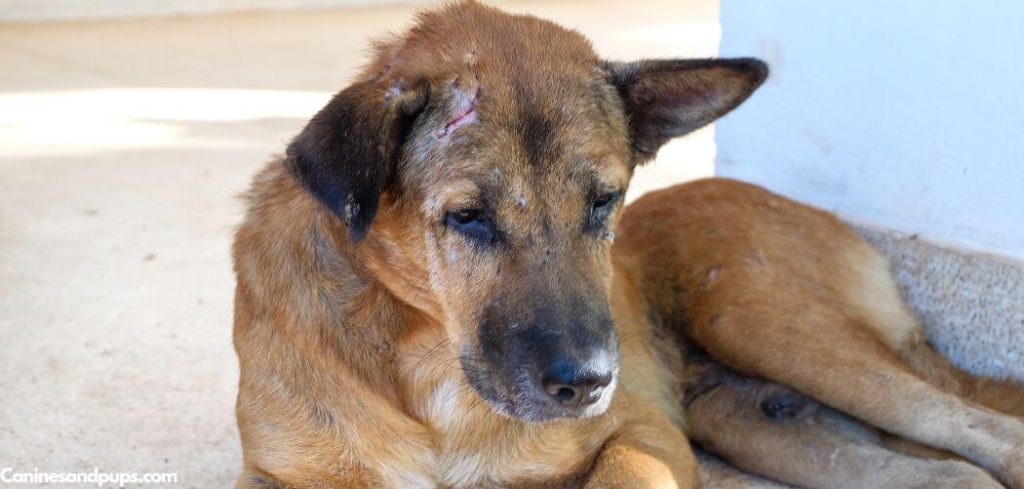
Common symptoms may include:
Walking sideways instead of straight
Falling over while standing or walking
Loss of balance
Head tilt
Stumbling or wobbling
Difficulty standing up
Abnormal eye movements
Confusion or disorientation
Dog Walking Sideways and Falling: Common Causes
Vestibular Disease
Vestibular disease is one of the most common reasons dogs suddenly begin walking sideways and falling. The vestibular system controls balance and helps the brain understand the body’s position in space.
When this system becomes disrupted, dogs often appear dizzy. They may lean heavily to one side, drift sideways while walking, stumble, or collapse because they cannot maintain their balance. Some owners describe affected dogs as looking drunk.
Vestibular disease may result from inner ear infections, inflammation, trauma, tumors, or age-related changes.
In many cases, particularly in older dogs, the condition develops suddenly without an identifiable cause. This is often referred to as idiopathic vestibular disease.
Many dogs also experience nausea due to dizziness. Vomiting, drooling, decreased appetite, and rapid eye movements are common accompanying symptoms.
Although vestibular disease often looks dramatic, many dogs recover well with supportive care. However, because other serious conditions can produce similar symptoms, veterinary evaluation is essential.
Read more: Old Dog Vestibular Disease (Signs, causes and treatment)
Inner Ear Infections
The inner ear contains structures responsible for balance. When infection spreads into these deeper areas of the ear, dogs may lose coordination and begin walking sideways.
Unlike simple outer ear infections, inner ear infections can significantly affect a dog’s ability to remain upright. Inflammation interferes with the normal signals being sent to the brain, causing dizziness and instability.
Additional symptoms include head shaking, scratching at the ears, foul-smelling discharge, redness, or discomfort when the ears are touched. A head tilt toward the affected side is also common.
Without treatment, inner ear infections can become more severe and potentially cause lasting damage to balance-related structures. Prompt diagnosis and treatment improve the likelihood of full recovery.
Stroke or Stroke-Like Events
Although strokes are less common in dogs than in humans, they can occur and may cause sudden balance problems.
A stroke develops when blood flow to part of the brain is interrupted or when bleeding occurs within brain tissue.
Depending on the area affected, a dog may suddenly walk sideways, stumble, lose coordination, or fall over repeatedly.
Symptoms usually appear rapidly. Owners often report that their dog seemed completely normal before the sudden onset of neurological signs.
Additional symptoms may include weakness on one side of the body, abnormal eye movements, confusion, head tilt, or behavioral changes.
Some dogs recover remarkably well after a stroke, while others may experience lingering neurological deficits. Immediate veterinary attention is important whenever stroke-like symptoms occur.
Read more: Dog suddenly lethargic and wobbly (Causes and treatment)
Spinal Cord Disorders
The spinal cord carries messages between the brain and the rest of the body. Conditions affecting the spinal cord can disrupt these signals and impair coordination.
Intervertebral disc disease is one of the most common spinal conditions seen in dogs. A damaged disc may compress the spinal cord, causing weakness, stumbling, and difficulty controlling the limbs.
Dogs with spinal cord disease may walk sideways because they cannot accurately place their feet or maintain normal balance. Some drag their paws, cross their legs incorrectly, or collapse unexpectedly.
The severity of symptoms depends on the location and extent of spinal cord involvement. While some dogs show only mild instability, others may become unable to walk altogether.
Because spinal conditions can worsen rapidly, especially when spinal cord compression is involved, veterinary assessment should not be delayed.
Neurological Diseases
A variety of neurological disorders can interfere with a dog’s ability to coordinate movement.
Brain inflammation, tumors, degenerative neurological diseases, infections, and nerve disorders may all cause sideways walking and falls.
These conditions disrupt communication between the brain and body, making normal movement difficult.
Dogs may show additional signs beyond balance problems. Seizures, tremors, confusion, personality changes, abnormal eye movements, and weakness may all occur depending on the affected area of the nervous system.
Some neurological diseases progress gradually, while others appear suddenly. Early diagnosis is often critical because treatment options vary significantly depending on the cause.
Toxin Exposure
Certain toxins directly affect the brain and nervous system, leading to severe coordination problems.
Dogs exposed to medications, household chemicals, toxic plants, mold toxins, alcohol, or recreational drugs may suddenly become unsteady. They may walk sideways, stumble, fall repeatedly, or appear confused.
Additional symptoms frequently include vomiting, drooling, tremors, unusual behavior, seizures, or collapse.
Toxicity should always be considered when symptoms appear suddenly in an otherwise healthy dog. Because some toxins act quickly and can become life-threatening, immediate veterinary care is necessary.
Severe Weakness and Systemic Illness
Not every dog that falls while walking has a balance disorder. Sometimes, severe weakness caused by illness is responsible.
Conditions such as anemia, heart disease, dehydration, low blood sugar, infections, and endocrine disorders can leave dogs too weak to support themselves properly. As their muscles fatigue, they may stumble, drift sideways, or collapse.
These dogs often display additional symptoms such as lethargy, decreased appetite, weight loss, increased thirst, or exercise intolerance.
Unlike vestibular disease, severe weakness usually does not cause dramatic dizziness or head tilting. Instead, the dog appears exhausted and physically unable to move normally.
Treating the underlying illness is essential for restoring strength and coordination.
Dog Walking Sideways and Falling: What to Do
If your dog is walking sideways and falling, focus on preventing injury while arranging veterinary care.
Helpful steps include:
Keep your dog away from stairs.
Restrict activity and exercise.
Provide non-slip surfaces.
Offer fresh water.
Help support your dog if needed.
Record a video of the abnormal behavior.
Monitor for worsening symptoms.
Avoid assuming the problem will resolve on its own, especially if symptoms developed suddenly.
When to Call or Visit the Vet
Dogs that are repeatedly falling while walking should be examined promptly.
Seek immediate veterinary care if your dog has:
Sudden onset of symptoms
Repeated falls
Inability to stand
Head tilt
Seizures
Collapse
Abnormal eye movements
Severe weakness
Suspected toxin exposure
Difficulty breathing
These signs may indicate a medical emergency requiring urgent treatment.
Dog Walking Sideways and Falling: Treatment
Your veterinarian will begin with a complete physical and neurological examination. This helps determine whether the problem originates in the inner ear, brain, spinal cord, muscles, or another body system.
Diagnostic testing may include blood work, urine testing, blood pressure measurement, ear examinations, X-rays, CT scans, MRI imaging, and neurological assessments.
Treatment depends entirely on the underlying cause. Vestibular disease often requires supportive care and anti-nausea medications.
Ear infections may need antibiotics and anti-inflammatory drugs. Spinal disorders can require medication, rehabilitation, or surgery. Neurological diseases may involve more advanced treatments.
Early diagnosis improves the chances of successful treatment and recovery.
Recovery and Monitoring
Recovery varies widely depending on the diagnosis. Dogs with vestibular disease often improve substantially within days and continue recovering over several weeks.
Ear infections usually improve with proper treatment, although severe cases may require extended therapy.
Neurological diseases, strokes, and spinal disorders have more variable outcomes. Some dogs recover completely, while others require long-term management and rehabilitation.
Monitor your dog’s balance, mobility, appetite, hydration, and overall comfort throughout recovery. Follow-up visits allow your veterinarian to assess progress and adjust treatment plans when necessary.
Key Takeaway
Dog walking sideways and falling is often a sign that something is affecting your dog’s balance, nervous system, spine, or overall strength.
Common causes include vestibular disease, inner ear infections, neurological disorders, strokes, spinal cord disease, toxin exposure, and systemic illness.
Because some causes can be serious or life-threatening, sudden balance problems should never be ignored.
Dogs that repeatedly fall, cannot stand, develop head tilts, experience seizures, or show other neurological symptoms need prompt veterinary attention.
The good news is that many causes of sideways walking and falling are treatable, especially when identified early.
A timely veterinary evaluation gives your dog the best chance for recovery and a return to normal movement.