
If your dog is breathing fast in hot weather, it may simply be trying to cool down by increasing airflow through the lungs.
Rapid breathing is a normal response to warm temperatures and exercise, but breathing that remains unusually fast after your dog has rested or is accompanied by weakness, collapse, or other symptoms can indicate a medical emergency.
Heat-related illnesses can progress quickly, so it is important to know when fast breathing is no longer normal.
Table of Contents
Dog Breathing Fast in Hot Weather: Why It Happens
A dog breathing fast in hot weather may be experiencing normal heat regulation, heat exhaustion, heatstroke, dehydration, heart disease, respiratory disease, pain, or anxiety.
Rapid breathing and panting help remove excess body heat through evaporation. When temperatures rise, the respiratory system works harder to cool the body.
However, if heat, humidity, or an underlying illness overwhelms the body’s cooling mechanisms, breathing may become excessively rapid and indicate a serious medical problem.
Some dogs also pant heavily, drool excessively, become lethargic, refuse food, vomit, or collapse. Puppies, senior dogs, overweight dogs, and flat-faced breeds are especially vulnerable to overheating.
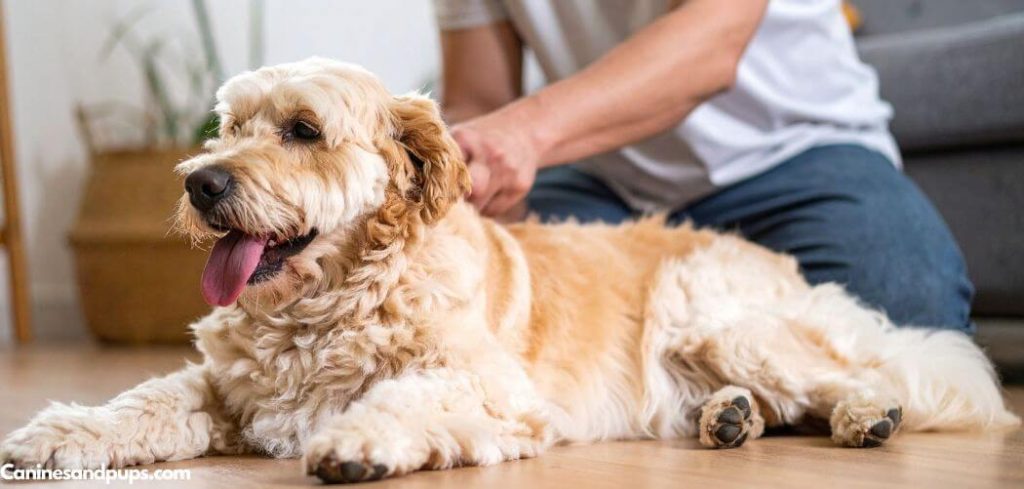
Is It Normal for Dogs to Breathe Fast in Hot Weather?
Yes, it can be normal for dogs to breathe faster in hot weather because they pant and increase their breathing rate to cool their bodies.
Dogs do not sweat like humans, so rapid breathing helps release heat through evaporation from their airways.
Mild fast breathing after being outside, exercising, or lying in a warm area is usually expected.
However, breathing that remains fast after your dog has cooled down, or breathing accompanied by weakness, drooling, vomiting, confusion, or difficulty breathing, may indicate heat stress or heatstroke and requires veterinary attention.
Dog Breathing Fast in Hot Weather: Symptoms
Depending on the underlying cause, your dog may also experience:
Rapid breathing
Heavy panting
Excessive drooling
Increased thirst
Lethargy
Weakness
Bright red gums
Collapse
Read more: Dog Diarrhea in Hot Weather (Why it happens)
Dog Breathing Fast in Hot Weather: Common Causes
Normal Cooling Response
The most common reason dogs breathe faster in warm weather is to regulate body temperature. Panting increases airflow across the tongue and airways, allowing heat to escape through evaporation.
Healthy dogs usually recover quickly after moving into a cool environment and resting. Their breathing gradually slows as body temperature returns to normal.
If your dog remains bright, alert, and comfortable, this response is generally normal.
Heat Exhaustion
Heat exhaustion develops when panting alone is no longer enough to cool the body. Rapid breathing becomes more pronounced as body temperature continues to rise.
Affected dogs often drool heavily, become weak, refuse food, vomit, or develop diarrhea. Without prompt treatment, heat exhaustion can rapidly progress to heatstroke.
Immediate veterinary care may include controlled cooling, intravenous fluids, oxygen therapy, and monitoring for organ damage.
Heatstroke
Heatstroke is a life-threatening emergency in which body temperature rises to dangerous levels. Fast breathing is often one of the earliest signs before severe illness develops.
Dogs may also develop confusion, bright red or pale gums, vomiting, diarrhea, seizures, collapse, or loss of consciousness.
Emergency veterinary treatment is essential to improve survival and reduce permanent organ damage.
Dehydration
Rapid breathing increases fluid loss through panting. If your dog cannot replace these fluids, dehydration develops, causing breathing to remain fast while circulation becomes less effective.
Other signs include dry gums, sunken eyes, weakness, reduced skin elasticity, increased heart rate, and lethargy.
Treatment focuses on restoring hydration and correcting the underlying cause.
Heart Disease
Dogs with heart disease often breathe faster during warm weather because the cardiovascular system must work harder to cool the body while maintaining oxygen delivery.
Other signs include coughing, exercise intolerance, rapid breathing while resting, weakness, or fainting episodes.
Diagnosis commonly includes chest X-rays, echocardiography, electrocardiography, and blood pressure measurement.
Read more: Dog breathing fast and shallow (Causes explained)
Respiratory Disease
Conditions such as chronic bronchitis, collapsing trachea, laryngeal paralysis, pneumonia, or brachycephalic airway syndrome reduce airflow and increase breathing effort.
Warm weather places additional strain on already compromised airways, causing dogs to breathe rapidly even after mild activity.
Treatment depends on the underlying respiratory disease and may include medication, oxygen therapy, weight management, or surgery.
Read more: Dog breathing heavy but acting normal (What it means)
Pain or Anxiety
Pain, fear, excitement, or anxiety can increase breathing rate, particularly when combined with warm temperatures.
Dogs may also pace, tremble, whine, hide, or appear unable to settle comfortably.
Treating the underlying cause usually resolves the abnormal breathing.
Obesity
Overweight dogs retain more body heat and require greater effort to breathe during hot weather. Even short walks can result in rapid breathing.
Obesity also significantly increases the risk of heat exhaustion, heatstroke, heart disease, and respiratory disorders.
Weight management improves both breathing efficiency and heat tolerance.
Dog Breathing Fast but Not Panting in Hot Weather
A dog breathing fast but not panting in hot weather may be experiencing heat discomfort, stress, pain, or an underlying respiratory or heart problem.
While panting is the most common cooling method, some dogs may show rapid shallow breathing instead, especially when overheated or uncomfortable.
Move your dog to a cool area, offer fresh water, and monitor their breathing. If fast breathing continues while resting in a cool environment, or your dog appears distressed, a veterinarian should evaluate them.
Dog Breathing Fast While Sleeping in Hot Weather
A dog breathing fast while sleeping in hot weather may simply be trying to regulate body temperature, especially if the room is warm or poorly ventilated.
Dogs may also breathe faster during dreams or after activity before settling down.
However, a sleeping dog should generally return to a calm breathing pattern once comfortable.
If your dog continues breathing rapidly while asleep in a cool room, has noticeable effort with each breath, coughing, pale or blue gums, or wakes up restless, it may indicate an underlying health issue.
Puppy Breathing Fast in Hot Weather
A puppy may breathe fast in hot weather because young dogs have less ability to regulate their body temperature and can overheat more quickly than adult dogs.
Increased breathing after play or time outdoors can be normal, but puppies are more vulnerable to dehydration and heat exhaustion.
Keep your puppy in a cool environment, provide fresh water, and avoid intense exercise during the hottest times of the day.
Seek veterinary care if fast breathing is accompanied by extreme tiredness, vomiting, diarrhea, weakness, or difficulty standing.
Senior Dog Breathing Fast in Hot Weather
A senior dog breathing fast in hot weather should be monitored closely because older dogs are more sensitive to heat and may have underlying conditions affecting their heart, lungs, or ability to regulate temperature.
Conditions such as heart disease, respiratory disease, obesity, or arthritis can make heat more difficult to tolerate.
Keep your older dog cool, hydrated, and avoid strenuous activity in warm conditions.
If your senior dog breathes rapidly while resting, struggles to breathe, becomes lethargic, refuses food or water, or collapses, seek veterinary care immediately.
Dog Breathing Fast in Hot Weather: What to Do
Move your dog into a cool, shaded, or air-conditioned environment as soon as you notice rapid breathing. Offer fresh, cool drinking water and allow your dog to rest quietly.
Avoid exercise until your dog’s breathing returns to normal, and never force your dog to continue walking or playing in hot weather.
Monitor your dog’s breathing closely. It should gradually slow after cooling down. If rapid breathing persists, becomes more severe, or is accompanied by excessive panting, weakness, vomiting, diarrhea, collapse, or pale gums, contact your veterinarian immediately.
Avoid cooling your dog with ice-cold water, as rapid cooling may interfere with normal circulation.
When to Call or Visit the Vet
Fast breathing that does not improve after cooling down should always be evaluated by a veterinarian.
Schedule an appointment if you notice:
Rapid breathing lasting longer than 30 to 60 minutes after resting
Mild coughing
Reduced appetite
Increased thirst
Exercise intolerance
Mild lethargy
Repeated episodes during warm weather
Panting with minimal activity
Seek emergency veterinary attention immediately if your dog develops:
Suspected heatstroke or heat exhaustion
Difficulty breathing
Collapse or inability to stand
Continuous rapid breathing that worsens
Bright red, blue, gray, or pale gums
Vomiting or diarrhea with overheating
Seizures
Loss of consciousness
Dog Breathing Fast in Hot Weather: Treatment
Your veterinarian will perform a physical examination and ask about recent heat exposure, activity level, medical history, medications, and when the rapid breathing began.
Diagnostic testing may include blood work, chest X-rays, oxygen assessment, heart evaluation, urinalysis, or additional tests depending on the suspected cause.
Treatment may include controlled cooling, intravenous fluids, oxygen therapy, medications for heart or respiratory disease, hospitalization for heatstroke, or treatment of any underlying illness.
Recovery and Monitoring
Dogs experiencing normal heat-related rapid breathing usually recover quickly once cooled, while those with heat exhaustion, heatstroke, heart disease, or respiratory disorders may require hospitalization and ongoing management.
Monitor your dog’s breathing, appetite, hydration, energy level, and tolerance of warm weather. Keep your dog indoors during periods of extreme heat, exercise only during cooler parts of the day, provide unlimited fresh water, and follow your veterinarian’s treatment recommendations carefully.
Contact your veterinarian if rapid breathing continues despite cooling, becomes more frequent, or is accompanied by coughing, weakness, vomiting, diarrhea, collapse, or any signs of respiratory distress.
Key Takeaway
A dog breathing fast in hot weather is often displaying a normal cooling response, but rapid breathing that persists or worsens can indicate heat exhaustion, heatstroke, dehydration, heart disease, respiratory disease, pain, anxiety, or obesity.
Recognizing when fast breathing is abnormal is essential because heat-related illnesses can become life-threatening within a short time.
Early veterinary evaluation can identify the underlying cause and prevent serious complications.
If your dog develops collapse, difficulty breathing, continuous rapid breathing, seizures, bright red or pale gums, vomiting, or signs of heatstroke, seek emergency veterinary care immediately.


