
Running a hand over your dog and finding lumps and bumps scattered across the body is unsettling, especially when they weren’t there a day or two ago.
Many owners wonder whether this is something minor that will fade or a sign that something is happening throughout the body.
Lumps can differ widely in size, texture, firmness, and whether they bother your dog, and those details are what help a vet sort one type from another.
A sudden spread of bumps is a change worth taking seriously rather than watching for weeks, since some lumps need a closer look and a simple test can often give a clear answer.
In this guide, we’ll explain what sudden lumps can look like, what to do right away, and the treatment.
Table of Contents
Dog Suddenly Has Lumps All Over: Here's Why
Sudden lumps appearing across a dog’s body are often caused by hives (urticaria), which develop when an allergic or inflammatory reaction causes fluid to accumulate within the skin.
This produces raised swellings called wheals, which can vary in size and appear on the back, neck, face, belly, legs, and other areas.
Common triggers include insect bites, stings, medications, vaccinations, foods, shampoos, and contact with irritating plants or chemicals.
Hives can appear within minutes or hours of exposure to a trigger. Some dogs become very itchy, while others develop noticeable lumps without scratching. The swellings may also change size, merge together, or disappear and reappear in different locations.
Although some cases resolve quickly, hives can occasionally occur alongside a more serious allergic reaction called anaphylaxis. This is why sudden widespread swelling should never be dismissed without veterinary advice.
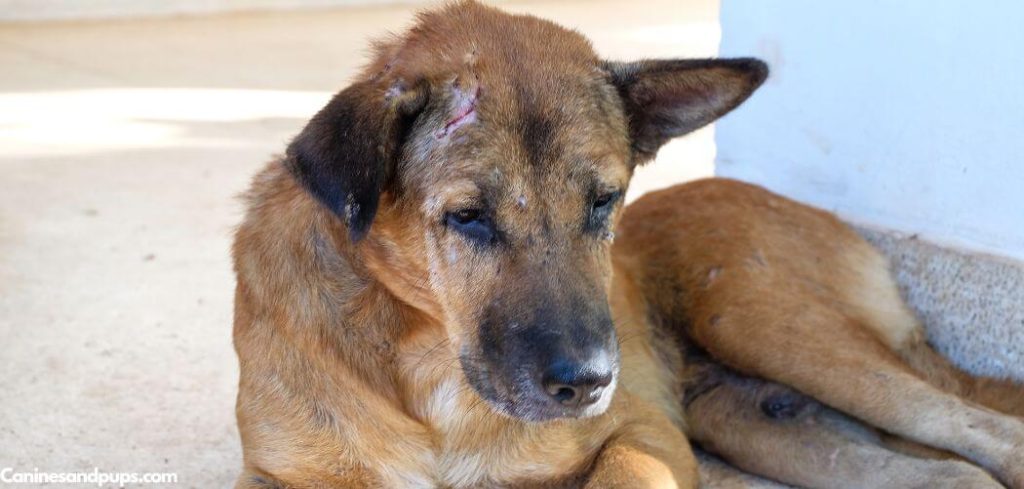
What Sudden Lumps Can Look Like
Sudden lumps may look different depending on their cause:
Small raised bumps: These may look like mosquito bites or small pimples scattered across the skin.
Large swollen welts: These are commonly associated with hives and may appear in clusters or merge into larger patches.
Lumps with surrounding redness: These may occur following insect bites, stings, or contact with an irritating substance.
Swelling around the face and eyes: An allergic reaction may cause the muzzle, lips, eyelids, or ears to become noticeably swollen.
Firm lumps beneath the skin: These may be cysts, abscesses, enlarged lymph nodes, or other growths rather than hives.
Dog Suddenly Having Lumps All Over: Causes
1. Hives (Urticaria)
Hives are one of the most common causes of sudden widespread lumps in dogs.
They occur when an allergic reaction causes swelling within the skin, producing raised, sometimes itchy welts.
The lumps may be small and scattered or large enough to merge into irregular swollen patches. They can appear on the face, neck, back, belly, legs, and sides of the body.
Some dogs also develop swelling around the eyes, lips, and muzzle.
Hives may appear and disappear relatively quickly, sometimes within several hours. However, the reaction can recur or become more serious, so veterinary assessment is important.
Read more: Old dog lumps and bumps (Causes and treatment)
2. Allergic Reaction to Insect Bites or Stings
Insect bites and stings can trigger sudden skin swelling in dogs.
Mosquitoes, bees, wasps, ants, and other insects may cause localized reactions or widespread hives in sensitive dogs.
You may notice raised lumps appearing across the body, redness, itching, or swelling around the face.
A reaction involving the lips, tongue, or throat is particularly concerning because swelling can interfere with breathing.
If the lumps appeared after your dog was outdoors or exposed to insects, mention this to your veterinarian.
Read more: My dog has a rash on his belly and inner thighs (Causes and treatment)
3. Reaction to Medication or Vaccination
Some dogs develop an allergic reaction after receiving medication or a vaccination.
The reaction may cause raised skin welts, itching, facial swelling, or other changes that appear shortly after treatment.
Possible triggers include certain antibiotics, other medications, and vaccine components.
If the lumps developed after a recent injection or after starting a new medication, contact your veterinarian immediately and explain the timing.
Do not give another dose of a suspected medication until your veterinarian has advised you what to do.
4. Food-Related Allergic Reaction
Some dogs develop allergic skin reactions after exposure to particular food ingredients.
An allergic reaction may cause raised lumps, itching, facial swelling, or other skin changes.
Food-related allergies can also contribute to recurring skin and ear problems, although sudden widespread hives are not always caused by food.
If the lumps appeared shortly after your dog ate something unfamiliar, tell your veterinarian what was eaten and when.
Do not assume that a new food is responsible without considering other possible triggers.
5. Contact Reaction to Plants or Chemicals
A dog may develop sudden skin swellings after coming into contact with an irritating substance.
Possible triggers include certain plants, garden chemicals, cleaning products, shampoos, and other substances that touch the skin.
Depending on the exposure, the reaction may produce raised welts, redness, itching, or localized swelling.
Lumps may appear on areas that came into contact with the substance, although widespread reactions can also occur.
Think about whether your dog recently walked through treated grass, entered a newly cleaned area, or received a different grooming product.
6. Insect Bite Reactions Without Generalized Hives
Not every insect-related lump is a widespread allergic reaction.
Individual bites may produce small, firm, raised bumps that remain concentrated around the affected locations.
Some dogs develop several bumps after spending time in grass, gardens, or other areas where biting insects are present.
The lumps may be mildly itchy or tender.
If the bumps continue appearing, become swollen, or are accompanied by other symptoms, a veterinarian should examine them to distinguish insect bites from hives or another skin condition.
7. Skin Infection or Folliculitis
Bacterial inflammation of the hair follicles can cause multiple raised bumps across a dog’s skin.
Unlike typical hives, these bumps may develop gradually and can contain pus or become crusted.
You may notice small pimples, redness, flaky skin, hair loss, or areas of irritation.
Skin infections are less likely to explain lumps that appear suddenly all over within minutes, but they should be considered when the bumps persist or change over time.
8. Other Skin Growths or Underlying Conditions
Some lumps develop because of cysts, benign growths, tumors, or other skin abnormalities.
These generally do not appear suddenly across the entire body in the same way as typical hives.
However, multiple skin growths or unusual swellings can sometimes become noticeable at the same time.
If the lumps remain in the same locations, grow, change shape, or fail to disappear, your veterinarian may recommend sampling one or more of them to identify what they are.
Related: Dog Lump After Vaccine (Is It Normal?)
Dog Suddenly Has Lumps All Over but Is Not Itching
A dog can develop widespread lumps without scratching or showing obvious discomfort. This can happen with hives because not every allergic skin reaction causes intense itching.
You may notice raised swellings under the fur, particularly around the back, sides, belly, neck, and legs.
If the lumps appeared suddenly, hives should be considered even if your dog seems comfortable.
However, the absence of itching does not confirm that the lumps are harmless. Contact your veterinarian for advice and arrange an examination.
Dog Suddenly Has Lumps All Over, and Face Is Swollen
When widespread lumps occur alongside swelling around the eyes, lips, or muzzle, an allergic reaction becomes a significant concern.
This may indicate that the reaction is affecting tissues beneath the skin as well as the skin surface.
Facial swelling can sometimes progress to swelling around the throat, which may interfere with breathing.
Treat facial swelling accompanied by sudden widespread lumps as an emergency, particularly if your dog has difficulty breathing, swallowing, or becomes weak.
Dog Suddenly Has Lumps All Over but Acting Normal
Some dogs develop hives while continuing to eat, walk, play, and behave normally.
This can happen because the initial allergic reaction may mainly affect the skin without immediately causing other noticeable symptoms.
However, a dog that appears normal can still develop a more serious reaction. Sudden widespread lumps should therefore be reported to a veterinarian promptly.
Do not wait for your dog to start scratching or showing discomfort before seeking advice.
Dog Suddenly Has Lumps All Over: What to Do
1. Contact Your Veterinarian Immediately
Explain that your dog has suddenly developed multiple lumps across the body.
Mention when the swellings appeared, whether they are spreading, and whether your dog has recently received medication, vaccination, new food, or experienced possible insect exposure.
Your veterinarian can advise whether your dog needs immediate examination.
2. Look for Other Signs of an Allergic Reaction
Check for swelling around the eyes, lips, muzzle, and ears.
Also watch for vomiting, diarrhea, excessive drooling, weakness, or changes in breathing.
These symptoms can indicate that the reaction is affecting more than the skin.
3. Think About Recent Exposures
Consider whether your dog recently:
- Received a vaccination or new medication.
- Ate an unfamiliar food or treat.
- Was bitten or stung by an insect.
- Used a new shampoo or grooming product.
- Walked through grass or areas treated with chemicals.
This information can help your veterinarian identify a possible trigger.
4. Take Photographs of the Lumps
Take clear photographs showing the affected areas and how the swellings are distributed.
Hives can change size or disappear relatively quickly, so photographs may help your veterinarian understand what the skin looked like when the reaction first appeared.
5. Avoid Giving Medication Without Veterinary Advice
Do not give human antihistamines, corticosteroids, or other medication without veterinary instructions.
The appropriate treatment depends on the severity of the reaction, your dog’s health, and any other medication they may be receiving.
6. Keep Your Dog Calm
Avoid strenuous exercise and further exposure to any suspected trigger.
If you suspect a shampoo or substance caused the reaction, ask your veterinarian how to safely manage the exposure rather than applying additional products to the skin.
When to Call or Visit Your Vet
Sudden widespread lumps should be assessed by a veterinarian immediately because they may represent an allergic reaction that can progress.
Seek emergency veterinary care immediately if you notice:
- Swelling around the face, lips, tongue, or throat.
- Difficulty breathing or swallowing.
- Repeated vomiting or diarrhea following the appearance of lumps.
- Excessive drooling.
- Sudden weakness or collapse.
- Pale or unusually discolored gums.
- Rapidly worsening swelling.
These signs may indicate anaphylaxis, a severe allergic reaction that requires emergency treatment.
Dog Suddenly Has Lumps All Over: Treatment
Treatment depends on the cause of the lumps and whether the dog is experiencing a localized skin reaction or a more serious allergic response.
Your veterinarian will examine the skin, review recent exposures, and assess for facial swelling or other signs of systemic illness.
Hives are often diagnosed through the history and physical examination, while persistent or unusual lumps may require skin sampling or biopsy.
Allergic hives may be treated with veterinary-prescribed antihistamines or corticosteroids, depending on the severity.
Dogs experiencing anaphylaxis require emergency stabilization and may need additional supportive treatment.
If an infection, parasite problem, or other skin condition is responsible, treatment will be directed at that underlying cause.
Key Takeaway
If your dog suddenly has lumps all over, hives caused by an allergic reaction are one of the most important possibilities to consider.
Common triggers include insect bites, stings, medications, vaccinations, foods, shampoos, and contact with certain plants or chemicals.
Although some cases of hives resolve within hours, sudden widespread swelling can sometimes precede a more serious allergic reaction.
Contact your veterinarian promptly, and seek emergency care immediately if facial swelling, breathing difficulties, vomiting, weakness, or collapse occurs.


