
If your dog has suddenly become anxious whenever you leave the house, follows you from room to room, whines when you walk away, or becomes distressed when left alone, he may be developing separation anxiety.
A dog that previously stayed home comfortably may suddenly begin barking, howling, pacing, scratching doors, destroying household items, or having accidents indoors when separated from family members.
This change can be confusing, especially when there has been no obvious change in your dog’s behavior before.
We’ll explain the common causes of a dog suddenly developing separation anxiety, what you can do at home, and when to contact a veterinarian.
Table of Contents
Dog Suddenly Has Separation Anxiety: Why It Happens
A dog may suddenly develop separation anxiety when a change in their environment, routine, household, or emotional security makes being alone more difficult to tolerate.
Moving house, a change in the owner’s work schedule, losing a familiar household member, or experiencing a frightening event while alone can contribute to separation-related distress.
Medical problems such as pain, illness, and age-related cognitive changes can also cause new anxiety or make an existing problem worse.
Some dogs begin showing anxiety before their owners leave. They may become restless when they see someone picking up keys, putting on shoes, or preparing to go outside.
Others appear comfortable until the door closes, then start barking, pacing, scratching, or attempting to escape. These behaviors often begin within the first few minutes of being left alone.
It is important to distinguish genuine separation anxiety from boredom, noise sensitivity, confinement anxiety, or an underlying medical problem.
A dog that suddenly develops unusual behavior should have a veterinary assessment before the problem is treated as purely behavioral.
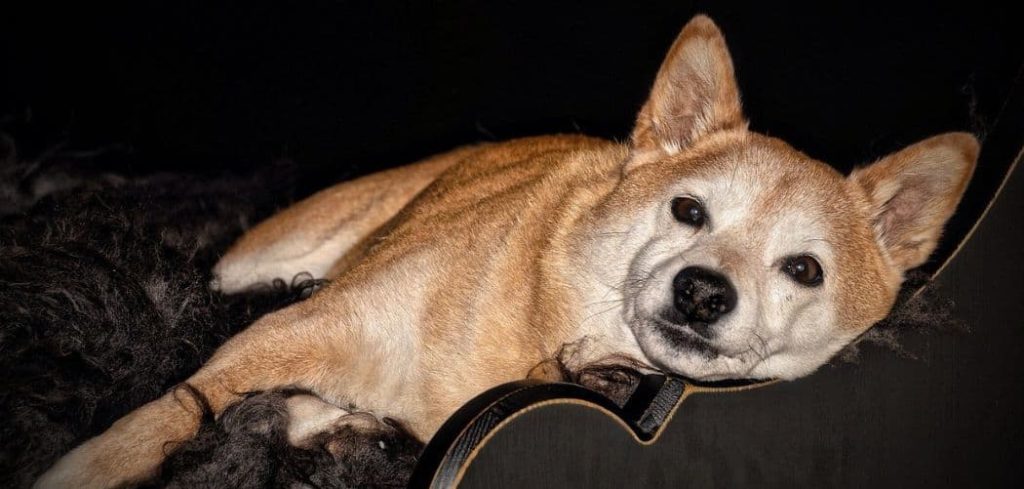
Signs Your Dog May Have Suddenly Developed Separation Anxiety
Separation anxiety usually becomes noticeable when a dog is separated from a particular person or left alone.
Common signs include:
Excessive barking or howling: Your dog vocalizes persistently after you leave.
Following you everywhere: He struggles to relax when you move into another room.
Pacing: He repeatedly walks around the house when anticipating or experiencing separation.
Destructive behavior: He chews furniture, scratches doors, or damages objects when alone.
House soiling: He urinates or defecates indoors despite being house-trained.
Excessive drooling or panting: He shows physical signs of distress when separated.
Refusing food: He ignores treats or meals when left alone.
Excessive excitement when you return: He becomes extremely excited and takes a long time to settle.
These signs are particularly suggestive of separation anxiety when they occur mainly during your absence or shortly before you leave.
Dog Suddenly Developing Separation Anxiety: Causes
1. Change in the Owner’s Daily Routine
A sudden change in your daily schedule can make it difficult for your dog to adjust to being alone.
For example, your dog may have become accustomed to having someone at home throughout the day.
If that person starts working outside the home, attending school, or spending longer periods away, the dog may struggle with the new arrangement.
The change can cause uncertainty and distress, particularly if your dog has not gradually learned to tolerate longer periods without company.
You may notice increased whining, barking, pacing, or following family members around the house.
Read more: Dog Diarrhea Due to Anxiety (Why It Happens)
2. Moving to a New Home
Moving house can trigger separation-related anxiety because dogs rely on familiar surroundings, smells, sounds, and routines to feel secure.
A new home may have unfamiliar noises, different sleeping arrangements, and surroundings that your dog has not yet learned to recognize as safe.
Some dogs become particularly unsettled when left alone in a new environment because they have not developed the same sense of familiarity they had in their previous home.
You may notice clinginess, vocalization, restlessness, or destructive behavior when you leave.
Read more: Old Dog Going Into Corners (Is It Anxiety or Pain?)
3. Loss or Absence of a Family Member
Dogs can become distressed when someone they are strongly attached to is suddenly no longer part of their daily routine.
This may happen when a family member moves away, begins living elsewhere, travels frequently, or is otherwise absent for an extended period.
The dog may become more dependent on the remaining household members and struggle when they also leave.
Some dogs develop increased vocalization, pacing, reduced appetite, or difficulty settling when their familiar companion is absent.
4. A Frightening Experience While Alone
A frightening experience during an absence can sometimes make a dog associate being alone with something unpleasant.
For example, a loud thunderstorm, fireworks, nearby construction, or an unexpected disturbance may occur while the dog is home without company.
Afterward, the dog may become anxious whenever the owner prepares to leave, even if the original event is no longer happening.
You may notice trembling, panting, pacing, excessive barking, or attempts to remain close to family members.
Some dogs also develop noise sensitivity alongside their separation-related distress.
5. Changes in Household Membership
Dogs can become unsettled when the number of people or animals in the household changes.
A new baby, a new pet, a family member moving out, or the loss of another household animal may change the dog’s familiar social environment.
Your dog may respond by becoming more attached to a particular person or showing distress when that person leaves.
The change may also affect feeding times, exercise, attention, and sleeping arrangements, making the dog feel less secure.
6. Previous Experiences of Being Rehomed or Abandoned
Dogs that have experienced rehoming, shelter stays, or repeated changes in caregivers may sometimes have difficulty feeling secure when left alone.
A new separation can bring back uncertainty associated with previous changes in their living situation.
This does not mean every adopted dog will develop separation anxiety. However, previous experiences may influence how comfortably an individual dog handles being alone.
Some dogs become distressed shortly after their owner leaves, while others show anxiety when they notice departure preparations.
7. Pain or an Underlying Medical Condition
A dog that suddenly becomes clingy, restless, or unable to settle may be experiencing an underlying medical problem rather than separation anxiety alone.
Pain from arthritis, injuries, dental problems, or other conditions can make a dog feel less comfortable when resting alone.
Urinary or digestive conditions may also cause accidents indoors, which can be mistaken for anxiety-related house soiling.
Other signs may include changes in appetite, unusual tiredness, increased thirst, frequent urination, or reluctance to move.
A veterinary examination is important when separation-related behavior appears suddenly, particularly if other physical or behavioral changes are present.
8. Age-Related Cognitive Changes
Older dogs can develop cognitive dysfunction syndrome, a condition associated with changes in brain function as they age.
This may affect memory, awareness, sleep patterns, and the ability to adapt to familiar routines.
A senior dog that previously stayed alone comfortably may begin showing anxiety, confusion, restlessness, or increased attachment to family members.
Other possible signs include nighttime waking, wandering, changes in house-training habits, and appearing confused in familiar surroundings.
New anxiety in an older dog should be assessed by a veterinarian because cognitive changes can resemble other medical conditions.
Related: Old Dog Syndrome (Signs, causes and treatment)
9. Lack of Independence and Difficulty Settling Alone
Some dogs become accustomed to having constant company and may never develop the ability to relax comfortably when nobody is nearby.
This can happen when a dog has always had someone at home or has rarely experienced short, positive periods of separation.
When the household routine eventually changes, the dog may struggle to cope.
You may notice persistent following, difficulty settling in another room, whining when a family member closes a door, or distress when left alone.
Gradually teaching a dog to feel comfortable spending time independently can help prevent this problem from becoming more severe.
Read more: Old Dog Anxiety: Signs, Causes and What to Do
Dog Suddenly Has Separation Anxiety but Is Fine When You Are Home
Some dogs behave normally when their owners are present but become distressed as soon as they leave.
Your dog may eat normally, play, sleep, and interact happily with family members while everyone is home.
However, once the house becomes quiet and nobody is around, he may start barking, pacing, scratching doors, or looking for ways to get out.
This pattern can indicate separation-related distress because the problem is associated with being alone rather than occurring throughout the day.
Recording your dog’s behavior with a pet camera can help establish whether the symptoms begin immediately after departure or develop later.
Dog Suddenly Becomes Clingy and Follows You Everywhere
A dog that suddenly follows you from room to room may be experiencing increased attachment or anxiety.
You may notice that he no longer settles comfortably in his usual sleeping area, constantly seeks attention, or becomes restless whenever you move away.
Some dogs also become anxious when they see their owners preparing to leave, even before the separation actually happens.
Although clinginess can accompany separation anxiety, it does not confirm the condition by itself. Pain, illness, environmental changes, and age-related cognitive problems can also cause increased dependence.
If this behavior is new, particularly in an older dog, arrange a veterinary examination.
Dog Sudden Separation Anxiety at Night
A dog may suddenly develop separation anxiety at night because it becomes distressed when its owner goes to bed, moves to another room, or is no longer available for attention and companionship.
Changes in household routines, a family member moving away, a recent move, or the loss of another pet can trigger this behavior.
Some dogs also become anxious because of nighttime noises, darkness, or unfamiliar surroundings.
In senior dogs, nighttime separation anxiety may be associated with age-related cognitive dysfunction, declining eyesight or hearing, arthritis, or other painful medical conditions.
A dog experiencing discomfort or confusion may become restless, follow its owner around, whine, bark, pant, pace, or repeatedly wake its owner for reassurance.
If the behavior develops suddenly, a veterinary examination is important to rule out an underlying medical problem.
Puppy Sudden Separation Anxiety
A puppy may suddenly develop separation anxiety when it becomes distressed about being left alone or separated from its owner.
Puppies are still learning to feel secure in their surroundings, and a change in routine, sleeping arrangements, or the amount of time spent with their owner can trigger distress.
A puppy that has recently moved into a new home, been separated from its littermates, or experienced frightening events may also struggle to tolerate being alone.
In some cases, the behavior develops because the puppy has not gradually learned to spend time independently.
It may start whining, barking, scratching at doors, pacing, or becoming destructive when its owner leaves the room or house.
Puppies may also have accidents indoors because they become distressed or have not yet developed reliable toilet habits.
Gradually introducing short periods of separation and rewarding calm, independent behavior can help build confidence. Avoid punishing the puppy for crying or destructive behavior, as this can increase fear and anxiety.
Senior Dog Sudden Separation Anxiety
A senior dog may suddenly develop separation anxiety due to age-related cognitive changes, declining eyesight or hearing, chronic pain, or underlying medical conditions.
Canine cognitive dysfunction (CCD), for example, can cause confusion, disrupted sleep, increased dependence on the owner, and distress when left alone.
Changes in household routines, moving homes, losing a family member, or spending more time alone can also trigger anxiety. An affected dog may follow its owner constantly, whine, bark, pace, pant, or become restless when separated.
A sudden change in behavior warrants a veterinary examination to rule out pain, illness, or cognitive decline and determine the appropriate treatment.
Dog Suddenly Has Separation Anxiety: What to Do
1. Identify What Changed Before the Anxiety Started
Think about what happened shortly before your dog began showing separation-related behavior.
Consider changes in your work schedule, moving house, a family member leaving, a new household pet, or a frightening experience while your dog was alone.
Identifying a possible trigger can help you understand why the behavior developed.
2. Use a Camera to Observe Your Dog When Alone
A pet camera can help you see what happens after you leave.
Watch whether your dog begins barking immediately, walks around restlessly, scratches doors, refuses food, or eventually settles.
This information can help your veterinarian or behavior professional distinguish separation anxiety from boredom, noise sensitivity, and other problems.
3. Gradually Teach Your Dog to Be Comfortable Alone
Start with very short periods of separation that your dog can tolerate without becoming distressed.
For example, briefly move into another room and return while your dog remains relaxed.
Gradually increase the duration as your dog becomes comfortable.
If he begins whining, pacing, panting, or showing other signs of anxiety, make the next separation shorter.
The aim is to build confidence without repeatedly exposing him to situations that cause distress.
4. Create a Comfortable Resting Area
Give your dog a familiar, comfortable place where he can relax.
Keep his bed, water, and favorite safe toys accessible, and maintain a predictable daily routine.
Avoid suddenly confining him in a crate if he becomes distressed or tries to escape when enclosed. Some dogs with separation anxiety become more frightened when confined.
5. Provide Regular Exercise and Mental Stimulation
Age-appropriate walks, play, and enrichment activities can help support your dog’s general well-being.
Food puzzles and suitable toys may provide entertainment during quiet periods.
However, these activities are not a substitute for treating genuine separation anxiety. Severely anxious dogs may refuse food or show no interest in toys when alone.
6. Avoid Punishing Anxious Behavior
Do not punish your dog for barking, chewing, scratching, or having accidents while you are away.
These behaviors may be expressions of distress rather than deliberate misbehavior.
Punishment can increase fear and make the problem harder to manage.
Keep departures and returns calm, and reward relaxed behavior.
7. Avoid Leaving Your Dog Alone for Longer Than He Can Tolerate
During treatment, try to arrange appropriate company through a trusted family member, pet sitter, or suitable dog-care service when possible.
Repeatedly leaving a severely anxious dog alone for periods that trigger distress can make recovery more difficult.
A veterinarian or qualified behavior professional can help develop a realistic plan based on your dog’s symptoms.
When to Call or Visit Your Vet
Arrange a veterinary examination if your dog suddenly develops separation anxiety, particularly if he previously had no difficulty being alone.
This is important because pain, urinary problems, other illnesses, and age-related cognitive changes can produce similar behavior.
Seek immediate veterinary attention if you notice:
Sudden loss of appetite.
Vomiting or diarrhea associated with the behavior.
Excessive panting or drooling.
New urinary accidents.
Unusual confusion or nighttime restlessness.
Repeated attempts to escape or injuries from scratching.
A sudden change in behavior in a senior dog.
If your dog injures himself while trying to escape or develops severe distress, seek veterinary help immediately rather than attempting to manage the problem through training alone.
Dog Suddenly Has Separation Anxiety: Treatment
Treatment depends on the severity of the anxiety and whether an underlying medical condition is contributing.
Your veterinarian will review your dog’s medical history, perform a physical examination, and may recommend blood or urine tests when illness is suspected.
Treatment usually involves behavior modification, including gradual desensitization to departures and counterconditioning to help the dog develop more positive associations with being alone.
A qualified veterinary behaviorist or experienced behavior professional can help develop an individualized program.
In moderate or severe cases, veterinarians may prescribe anti-anxiety medication alongside behavioral treatment.
The goal is to reduce distress and gradually help the dog feel comfortable when separated from family members.
Key Takeaway
A dog that suddenly develops separation anxiety may be responding to changes in routine, household membership, living arrangements, or a frightening experience while alone.
However, sudden clinginess and distress can also be associated with pain, illness, or age-related cognitive changes.
Pay attention to what happens immediately before and after you leave, and consider using a camera to observe your dog’s behavior.
Arrange a veterinary examination to rule out medical causes, then work on gradual, positive training that helps your dog become comfortable spending time alone.
With an appropriate treatment plan, many dogs can learn to tolerate separation more comfortably.


