
Loose skin is normal in some dogs, especially breeds such as Shar-Peis, Bloodhounds, Basset Hounds, and Bulldogs that naturally have extra folds.
However, if your dog suddenly develops loose or sagging skin, it may be a sign of weight loss, aging, dehydration, pregnancy, muscle loss, or an underlying medical condition.
Paying attention to whether the loose skin developed gradually or appeared suddenly can help determine whether it is a normal change or something that requires veterinary attention.
Table of Contents
Dog Loose Skin: Why It Happens
A dog with loose skin may have experienced weight loss, aging, dehydration, pregnancy, muscle wasting, poor nutrition, Cushing’s disease, or another health condition. Some dogs simply have naturally loose skin with no medical concerns, while others develop additional symptoms such as lethargy, changes in appetite, excessive drinking, or a dull coat.
A dog may develop loose skin because the tissues beneath the skin change, reducing the support that normally keeps the skin firm.
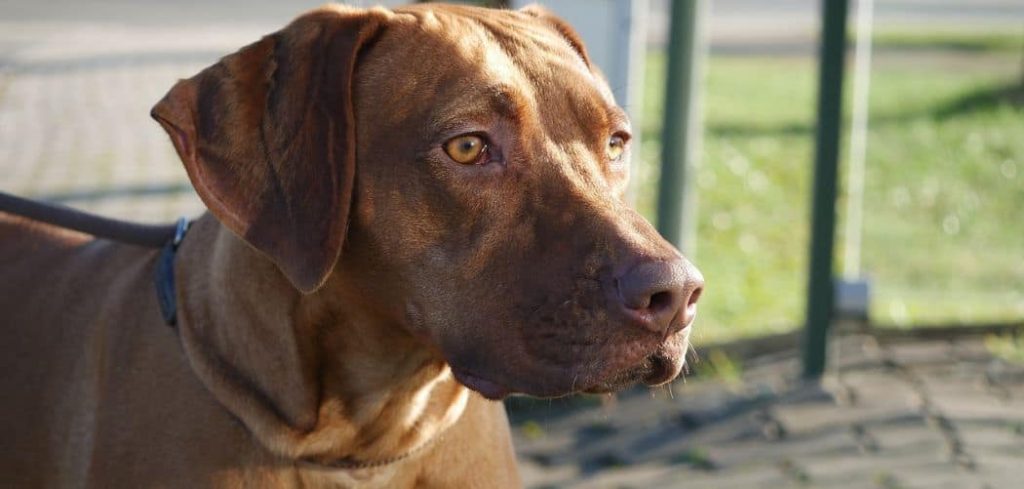
Depending on the underlying cause, a dog may also experience:
Sagging or hanging skin
Weight loss
Muscle loss
Dry or dull coat
Increased thirst
Increased urination
Reduced energy
Changes in appetite
Dog Loose Skin: Common Causes
Normal Breed Characteristics
Some breeds are naturally born with loose skin. Shar-Peis, Bloodhounds, Basset Hounds, Bulldogs, and Neapolitan Mastiffs commonly have extra skin folds that are completely normal and serve protective or functional purposes.
As long as your dog has always had loose skin and is otherwise healthy, there is usually no cause for concern. However, skin folds should be kept clean and dry to help prevent infections.
Weight Loss
One of the most common reasons previously tight skin becomes loose is significant weight loss. As body fat decreases, excess skin may remain, especially after gradual or substantial weight reduction.
If the weight loss occurred intentionally through diet and exercise, loose skin is usually harmless.
However, unexplained weight loss should always be investigated because it may indicate an underlying medical condition.
Aging
As dogs grow older, the skin naturally loses elasticity due to changes in collagen and connective tissues. Senior dogs also tend to lose muscle mass, making the skin appear looser over time.
This gradual process is considered a normal part of aging. Many older dogs also develop graying hair, reduced muscle tone, and slower movement.
Read more: Old Dog Bumps on Skin (Causes and treatment)
Dehydration
Although dehydration more commonly causes the skin to lose elasticity during a skin tent test, severely dehydrated dogs may appear to have loose or less resilient skin.
Dehydration often develops after vomiting, diarrhea, overheating, or inadequate water intake.
Other signs include dry gums, sunken eyes, lethargy, weakness, and reduced skin elasticity. Because dehydration can become serious quickly, veterinary treatment may be needed.
Muscle Loss (Muscle Atrophy)
Loss of muscle beneath the skin can make previously firm areas appear loose or saggy. Muscle atrophy commonly develops in older dogs, after injury, during prolonged inactivity, or because of neurological disorders.
Affected dogs may also become weaker, have difficulty climbing stairs, or show reduced endurance during walks.
Identifying and treating the underlying cause can help slow further muscle loss.
Poor Nutrition
Dogs that do not receive adequate protein, calories, vitamins, or essential fatty acids may lose both body fat and muscle, causing the skin to appear loose. Poor nutrition may result from low-quality diets, chronic digestive disease, or inadequate food intake.
Other signs often include weight loss, a dull coat, flaky skin, reduced energy, and poor wound healing. Improving nutrition under veterinary guidance often leads to gradual improvement.
Cushing’s Disease
Cushing’s disease occurs when the body produces excessive cortisol, leading to changes in the skin, muscles, and metabolism. Affected dogs often develop thinning skin that may appear loose and fragile.
Additional symptoms commonly include increased thirst, increased urination, excessive panting, a pot-bellied appearance, hair loss, and muscle weakness. Blood tests and specialized hormonal testing are used to confirm the diagnosis.
Chronic Illness
Long-term illnesses such as kidney disease, cancer, diabetes, liver disease, or chronic intestinal disorders can cause gradual weight and muscle loss, making the skin appear looser than normal.
Dogs often develop additional symptoms such as poor appetite, vomiting, diarrhea, increased thirst, lethargy, or progressive weight loss. Early diagnosis improves the chances of successful treatment and management.
Read more: Dog losing hair and black spots on the skin (What it means)
Dog Loose Skin: What to Do
If you notice your dog’s skin becoming looser than usual, monitor whether the change developed gradually or appeared suddenly.
Check for other changes such as weight loss, muscle loss, appetite changes, increased thirst, or reduced energy.
Weigh your dog regularly if possible and compare the results over several weeks. Gradual, unexplained weight loss should always be discussed with your veterinarian.
Feed a complete, balanced diet that is appropriate for your dog’s age, breed, and activity level. Ensure your dog always has access to fresh water, especially during hot weather or after exercise.
Avoid assuming that loose skin is simply part of aging, particularly if it is accompanied by other symptoms or occurs in a young or middle-aged dog.
When to Call or Visit the Vet
Loose skin should be evaluated if it develops unexpectedly or is accompanied by other health changes.
Schedule an appointment if you notice:
Unexplained weight loss
Muscle loss
Increased thirst
Increased urination
Hair loss
Reduced appetite
Ongoing lethargy
Loose skin that continues to worsen
Seek emergency veterinary attention immediately if your dog develops:
Severe dehydration
Collapse
Difficulty breathing
Severe weakness
Persistent vomiting or diarrhea
Rapid weight loss
Pale gums
Inability to stand
Dog Loose Skin: Treatment
Veterinary assessment includes review of your dog’s medical history, diet, recent weight changes, medications, and overall health before a physical examination. This evaluates a dog’s body condition, muscle mass, hydration, and skin quality.
Diagnostic testing may include blood work, urinalysis, fecal testing, hormone testing for conditions such as Cushing’s disease, and imaging if chronic illness is suspected.
Treatment depends entirely on the underlying cause and may include dietary changes, medications, fluid therapy, hormone treatment, or management of chronic diseases.
Dogs with normal breed-related loose skin or age-related changes typically do not require medical treatment.
Recovery and Monitoring
Recovery depends on the underlying cause. Dogs with diet-related weight loss or dehydration often improve once the problem is corrected, while chronic illnesses such as Cushing’s disease or kidney disease require long-term management.
Monitor your dog’s weight, muscle condition, appetite, energy level, and skin appearance during recovery. Follow your veterinarian’s treatment plan closely and attend all recommended follow-up visits.
Contact your veterinarian if the loose skin worsens, weight loss continues, or new symptoms such as vomiting, diarrhea, increased thirst, or weakness develop.
Key Takeaway
Dog loose skin is commonly caused by normal breed characteristics, weight loss, aging, dehydration, muscle loss, poor nutrition, Cushing’s disease, or chronic illness. While some dogs naturally have loose skin or develop it gradually as they age, sudden changes or loose skin accompanied by weight loss or other symptoms should be evaluated by a veterinarian.
Early diagnosis can help identify underlying health conditions before they become more serious. If your dog develops severe weakness, dehydration, rapid weight loss, collapse, or difficulty standing, seek emergency veterinary care immediately. Prompt treatment gives your dog the best chance of a healthy recovery.


