
Loose skin on a dog’s neck is often completely normal, especially in puppies and breeds such as Bloodhounds, Basset Hounds, Shar-Peis, Bulldogs, and Mastiffs that naturally have extra skin in this area.
However, if your dog’s neck skin suddenly becomes looser than usual or is accompanied by weight loss, swelling, pain, or other changes, it could indicate an underlying health problem that warrants veterinary attention.
Table of Contents
Dog Loose Skin on Neck: Why It Happens
A dog with loose skin on the neck may have normal breed characteristics, aging, weight loss, dehydration, muscle loss, Cushing’s disease, or another medical condition.
In some cases, what appears to be loose skin may actually be swelling from an abscess, enlarged lymph nodes, or a fluid-filled mass.
Monitoring your dog’s overall health and checking for additional symptoms can help determine whether the change is normal or requires veterinary care.
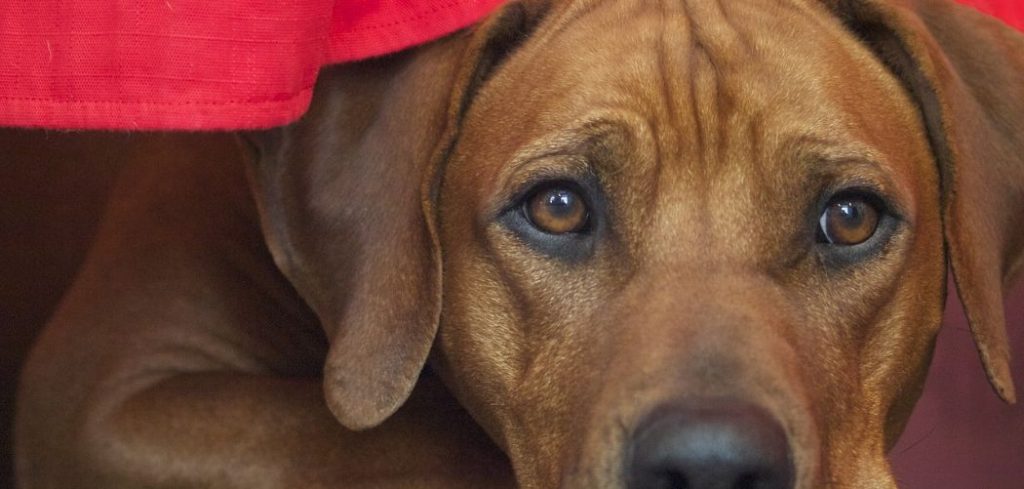
Depending on the underlying cause, your dog may also experience:
Loose or sagging neck skin
Weight loss
Muscle loss
Swelling beneath the skin
Pain when the neck is touched
Hair loss
Increased thirst
Reduced energy
Dog Loose Skin on Neck: Common Causes
Aging
As dogs age, the skin gradually loses elasticity due to changes in collagen and connective tissue.
Senior dogs also tend to lose muscle mass beneath the skin, making the neck appear looser over time.
These changes usually occur gradually and are often accompanied by graying hair, reduced muscle tone, and slower movement.
Normal Breed Characteristics
Many dog breeds naturally have loose skin around the neck. Bloodhounds, Shar-Peis, Basset Hounds, Bulldogs, Mastiffs, and some hunting breeds are genetically predisposed to having extra folds that protect the skin during movement or work.
If your dog has always had loose neck skin and is otherwise healthy, this is usually considered completely normal. However, skin folds should be kept clean and dry to help prevent skin fold dermatitis.
Read more: Dog Loose Skin: What’s Normal and When to Worry
Weight Loss
Significant weight loss reduces the layer of fat beneath the skin, leaving excess skin that may appear loose around the neck. This is particularly noticeable in dogs that were previously overweight.
If the weight loss was intentional under veterinary guidance, loose skin is generally harmless. Unexplained weight loss, however, should always be investigated because it may signal an underlying illness.
Dehydration
While dehydration typically causes the skin to lose elasticity rather than become truly loose, owners often first notice changes when gently lifting the skin on the neck during a skin tent test.
If the skin remains tented instead of quickly returning to normal, dehydration may be present.
Other signs include dry gums, sunken eyes, lethargy, weakness, vomiting, or diarrhea. Moderate to severe dehydration requires prompt veterinary treatment.
Muscle Loss (Muscle Atrophy)
Loss of muscle around the shoulders and neck can make the overlying skin appear looser than before.
Muscle atrophy commonly develops with aging, neurological disease, prolonged inactivity, or chronic illness.
Affected dogs may also show weakness, difficulty climbing stairs, reduced endurance, or changes in posture.
Cushing’s Disease
Cushing’s disease causes excessive cortisol production, which weakens the skin and muscles over time.
Affected dogs often develop thin, fragile skin that may appear loose around the neck and body.
Other common signs include excessive thirst, frequent urination, panting, hair loss, muscle weakness, and a pot-bellied appearance. Specialized hormone testing is needed to confirm the diagnosis.
Neck Swelling or Fluid Accumulation
Sometimes what appears to be loose skin is actually swelling beneath the skin caused by an abscess, enlarged lymph node, cyst, hematoma, insect bite, allergic reaction, or fluid accumulation.
These swellings may feel soft or firm and can develop suddenly. Some are painful, while others are not. Any new lump, swelling, or rapidly changing area around the neck should be examined by a veterinarian.
Chronic Illness
Chronic diseases such as kidney disease, diabetes, liver disease, cancer, or digestive disorders can cause gradual weight loss and muscle wasting that become noticeable around the neck.
Dogs often develop additional symptoms including poor appetite, vomiting, diarrhea, increased thirst, lethargy, or progressive weight loss.
Early diagnosis improves treatment options and long-term management.
Dog Loose Skin on Neck: What to Do
If you notice loose skin on your dog’s neck, gently examine the area for swelling, heat, redness, pain, or any lumps beneath the skin. Compare both sides of the neck to determine whether the change is symmetrical or affects only one area.
Monitor your dog’s weight, appetite, water intake, activity level, and overall behavior. If your dog has recently lost weight, the loose skin may simply reflect the loss of body fat, but unexplained weight loss should always be discussed with your veterinarian.
Ensure your dog eats a balanced diet appropriate for its age and health, and always provide access to fresh water.
If you perform a skin tent test and the skin remains elevated, especially if your dog also seems lethargic or has vomiting or diarrhea, contact your veterinarian promptly.
Avoid squeezing or attempting to drain any swelling or lump you find beneath the skin.
When to Call or Visit the Vet
Loose neck skin should be evaluated if it develops suddenly or is accompanied by other concerning symptoms.
Schedule an appointment if you notice:
Unexplained weight loss
Muscle loss
Hair loss
Increased thirst or urination
A lump or swelling beneath the skin
Neck discomfort
Reduced appetite
Loose skin that gradually worsens
Seek emergency veterinary attention immediately if your dog develops:
Rapidly enlarging neck swelling
Difficulty breathing or swallowing
Severe dehydration
Collapse
Severe weakness
Persistent vomiting or diarrhea
Pale gums
Signs of a severe allergic reaction, such as facial swelling or trouble breathing
Dog Loose Skin on Neck: Treatment
Treatment for loose skin on a dog’s neck depends on the underlying cause. In many dogs, especially certain breeds with naturally loose skin such as Mastiffs, Bulldogs, Shar-Peis, and some large breeds, extra skin around the neck is normal and does not require treatment.
However, if the loose skin appears suddenly or is caused by weight loss, dehydration, aging, skin disease, or an underlying medical condition, the cause should be addressed.
A veterinarian may recommend nutritional support, hydration therapy, weight management, or treatment for skin infections or other health problems if present.
Key Takeaway
Loose skin on a dog’s neck is commonly caused by normal breed characteristics, aging, weight loss, dehydration, muscle loss, Cushing’s disease, or chronic illness. In some cases, swelling beneath the skin from an abscess, enlarged lymph node, or other mass may make the neck appear loose.
While naturally loose neck skin is normal in many dogs, sudden changes or loose skin accompanied by weight loss, swelling, pain, or other symptoms should be evaluated by a veterinarian. Early diagnosis helps identify underlying health problems before they become more serious.
If your dog develops rapidly enlarging neck swelling, difficulty breathing, collapse, severe dehydration, or signs of a severe allergic reaction, seek emergency veterinary care immediately. Prompt treatment can be lifesaving.


