
It can be worrying when your dog repeatedly tilts their head to one side while also shaking their head.
Although dogs occasionally shake their heads after waking up or getting water in their ears, frequent head shaking combined with a persistent head tilt usually indicates an underlying medical problem.
Table of Contents
Dog Tilting Head to One Side and Shaking Head: Why It Happens
A dog may tilt their head to one side and shake their head because of an ear infection, ear mites, allergies, a foreign object in the ear, vestibular disease, or another condition affecting the ears or nervous system.
The presence of additional symptoms such as ear discharge, loss of balance, or pain can help determine the underlying cause.
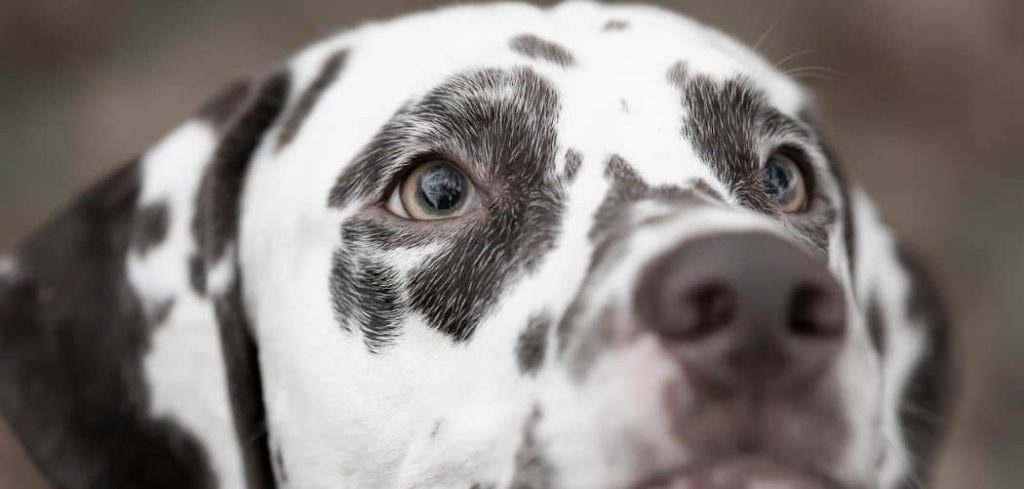
Symptoms include:
Head tilt
Frequent head shaking
Scratching at the ears
Ear discharge
Red or swollen ears
Bad odor from the ears
Loss of balance
Pain when the ears are touched
Dog Tilting Head to One Side and Shaking Head: Common Causes
Ear Infection
One of the most common causes of head tilting and head shaking is an ear infection.
Bacteria or yeast can cause inflammation inside the ear canal, making the ear painful and itchy.
Dogs often tilt their heads toward the affected side while repeatedly shaking their heads in an attempt to relieve the discomfort.
Other signs include redness inside the ear, a foul odor, dark discharge, excessive scratching, and sensitivity when the ear is touched.
Without treatment, ear infections can spread deeper into the middle or inner ear and affect your dog’s balance.
Read more: Dog Head Tilt and Stumbling (What it means)
Ear Mites
Ear mites are tiny parasites that live inside the ear canal. They cause intense itching, prompting dogs to shake their heads frequently and scratch at their ears.
Some dogs also hold one ear lower than the other or develop a slight head tilt because of irritation.
A dark, crumbly discharge that resembles coffee grounds is commonly seen with ear mites, particularly in puppies and young dogs, although adult dogs can also be affected.
Veterinary treatment is needed to eliminate the mites completely.
Allergies
Environmental and food allergies can lead to chronic ear inflammation.
Dogs with allergies often develop itchy ears that become inflamed and infected over time. Repeated scratching and head shaking may eventually cause them to tilt their heads because of discomfort.
Many dogs with allergies also lick their paws, scratch their skin, rub their faces, or develop recurring ear infections.
Managing the underlying allergy is often necessary to prevent future ear problems.
Foreign Object in the Ear
A foreign object inside the ear can cause sudden head shaking.
Grass seeds, plant material, small insects, or debris may become lodged in the ear canal, causing immediate irritation. Dogs typically shake their heads violently, paw at the affected ear, and may tilt their head toward the painful side.
Symptoms often begin suddenly after walks through tall grass or wooded areas.
Your veterinarian can safely remove the object and examine the ear for damage.
Vestibular Disease
Vestibular disease affects the balance organs within the inner ear and brain.
Unlike simple ear irritation, vestibular disease usually causes a constant head tilt that is accompanied by stumbling, circling, falling, or rapid eye movements (nystagmus). Some dogs continue shaking their heads because the sensation of dizziness is uncomfortable.
Idiopathic vestibular disease is especially common in older dogs and often develops suddenly.
Although many dogs improve within one to three weeks, veterinary evaluation is important to rule out more serious neurological diseases.
Related: Old Dog Vestibular Disease (Signs, causes and treatment)
Middle or Inner Ear Infection
An untreated outer ear infection can sometimes spread deeper into the ear.
Middle and inner ear infections affect both hearing and balance, making dogs much more likely to develop a persistent head tilt along with repeated head shaking.
Owners may also notice loss of balance, walking in circles, hearing loss, nausea, or vomiting.
These infections usually require more aggressive treatment than simple outer ear infections.
Neurological Disorders
Less commonly, head tilting and head shaking may result from neurological disease.
Brain tumors, inflammatory brain disease, head trauma, or strokes can affect the nerves responsible for head position and balance. Some dogs also develop seizures, weakness, behavior changes, circling, or vision problems.
Neurological disorders are more likely if the head tilt persists without obvious ear disease or if other neurological symptoms are present.
Read more: Old dog tilting head to one side (What it means)
Dog Tilting Head to One Side and Shaking Head: What to Do
Observe whether your dog tilts their head toward the same side each time.
Check the outer ear for redness, swelling, discharge, bad odor, or obvious debris without inserting anything into the ear canal.
Prevent your dog from scratching excessively, as this can worsen inflammation and even lead to a blood-filled swelling of the ear flap (aural hematoma).
Keep the ears dry after bathing or swimming unless your veterinarian recommends otherwise.
Record a video of your dog’s head movements and walking if balance problems are also present.
When to Call or Visit the Vet
Contact your veterinarian if your dog continues tilting their head or shaking it repeatedly.
Schedule an appointment if you notice:
Persistent head tilt
Frequent head shaking
Ear discharge
Ear odor
Scratching at the ears
Pain when the ears are touched
Seek immediate veterinary attention if your dog develops:
Loss of balance
Falling over
Walking in circles
Rapid eye movements
Seizures
Sudden inability to stand
Dog Tilting Head to One Side and Shaking Head: Treatment
Veterinary assessment includes a physical examination to carefully inspect your dog’s ears using an otoscope.
Depending on the suspected cause, diagnostic testing may include ear cytology to identify bacteria, yeast, or mites, bloodwork, imaging such as CT or MRI for deeper ear disease, or referral to a veterinary neurologist if neurological disease is suspected.
Treatment depends on the underlying cause and may include medicated ear drops, antibiotics, antifungal medications, parasite treatment, anti-inflammatory medication, treatment for vestibular disease, or surgery for severe middle ear disease.
Recovery and Monitoring
Most uncomplicated outer ear infections improve within one to two weeks with appropriate treatment, while vestibular disease often shows noticeable improvement within several days.
Middle ear infections and neurological disorders may require longer treatment and ongoing monitoring.
Continue checking your dog’s ears for redness, odor, or discharge, and complete the full course of any prescribed medications.
Attend follow-up appointments so your veterinarian can confirm the infection or underlying condition has resolved completely.
Key Takeaway
A dog that tilts their head to one side and shakes their head most commonly has an ear infection, but allergies, ear mites, foreign objects, vestibular disease, middle ear infections, and neurological disorders are also possible causes.
While occasional head shaking is normal, persistent head tilting is not and should always be evaluated.
If your dog develops loss of balance, falls over, walks in circles, has seizures, or suddenly cannot stand, seek emergency veterinary care immediately. Early diagnosis and treatment can prevent complications and improve your dog’s recovery.


