
It can be frightening to see your dog develop a head tilt and begin stumbling. These symptoms usually indicate a problem affecting your dog’s balance system and should never be ignored.
While some causes, such as idiopathic vestibular disease, often improve with treatment, others—including inner ear infections, strokes, brain tumors, or neurological disorders—require prompt veterinary care.
If the symptoms appear suddenly, your dog should be examined by a veterinarian as soon as possible.
Table of Contents
Dog Head Tilt and Stumbling: Why It Happens
A dog may develop a head tilt and stumble because of vestibular disease, an inner ear infection, a stroke, a brain tumor, poisoning, or another neurological condition.
The balance organs in the inner ear and brain work together to control posture and coordination, so disorders affecting these areas commonly cause both symptoms.
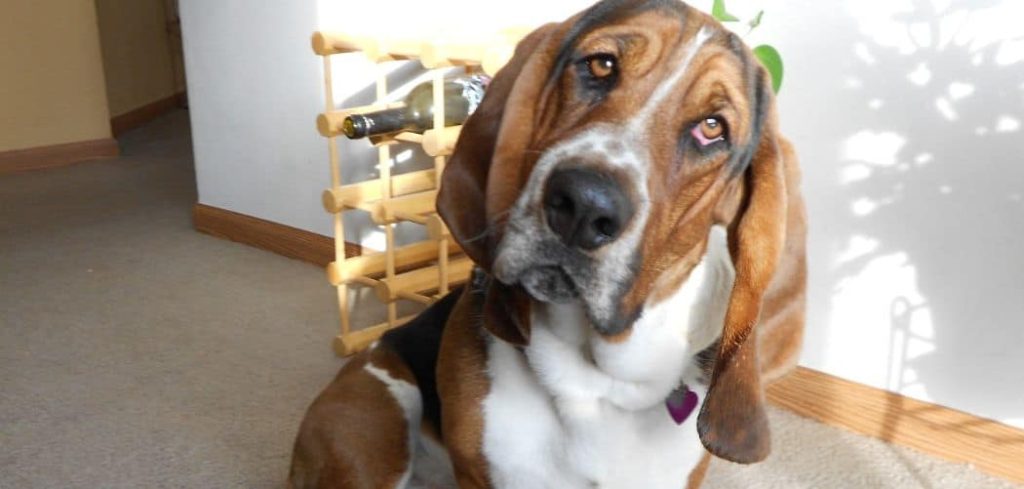
Symptoms include:
Head tilt
Stumbling
Loss of balance
Walking in circles
Falling over
Rapid eye movements
Nausea or vomiting
Leaning to one side
Dog Head Tilt and Stumbling: Common Causes
Inner Ear Infection
An infection affecting the middle or inner ear can interfere with balance.
Bacteria or yeast may spread deep into the ear, causing inflammation of the structures responsible for maintaining equilibrium.
Dogs often tilt their heads toward the affected ear and become unsteady when walking.
Additional signs may include head shaking, scratching at the ears, ear discharge, a foul odor, hearing loss, or pain when the ear is touched.
Without treatment, inner ear infections can cause permanent damage to hearing and balance.
Idiopathic Vestibular Disease
One of the most common causes of a sudden head tilt and stumbling is idiopathic vestibular disease, often called old dog vestibular syndrome.
The vestibular system, located in the inner ear and brain, helps your dog maintain balance and know which way is up. When it suddenly stops functioning properly, dogs often develop a dramatic head tilt, lose their balance, stumble, or fall toward one side.
Many owners also notice rapid, flickering eye movements (nystagmus), circling, nausea, vomiting, and reluctance to walk because the world seems to be spinning.
Although the symptoms can look severe, many dogs begin improving within a few days and recover significantly over one to three weeks with supportive care.
Related: Old Dog Vestibular Disease (Signs, causes and treatment)
Stroke
Although strokes are relatively uncommon in dogs, they can cause sudden neurological symptoms.
A stroke interrupts blood flow to part of the brain, leading to a rapid onset of balance problems, stumbling, and head tilt. Some dogs also become weak on one side, appear confused, or develop vision changes.
Unlike idiopathic vestibular disease, recovery varies depending on the area of the brain affected and the underlying cause.
Any sudden loss of balance should be treated as a medical emergency until proven otherwise.
Brain Tumor
Brain tumors become more common as dogs age.
A tumor affecting the brainstem or cerebellum may gradually interfere with balance and coordination, causing a persistent head tilt and increasing difficulty walking.
Owners may also notice seizures, behavior changes, circling, vision problems, head pressing, or progressive weakness.
Because brain tumors often worsen over time, early diagnosis offers the best opportunity for treatment.
Poisoning
Certain toxins affect the nervous system and balance centers. Exposure to pesticides, toxic plants, medications, antifreeze, or other poisons can cause stumbling, head tilt, tremors, drooling, vomiting, seizures, or collapse.
Symptoms often appear suddenly and may worsen rapidly. If poisoning is suspected, emergency veterinary treatment is essential.
Inflammatory or Infectious Brain Disease
Inflammation of the brain can disrupt normal neurological function.
Conditions such as meningitis, encephalitis, fungal infections, or immune-mediated diseases may produce head tilt, stumbling, weakness, seizures, fever, or changes in behavior.
These disorders often require advanced diagnostic testing and intensive treatment.
Early intervention greatly improves the chances of recovery.
Head Trauma
A blow to the head can damage the balance centers of the brain or inner ear.
Dogs that have been hit by a car, fallen from a height, or suffered another head injury may develop a head tilt along with stumbling, confusion, abnormal eye movements, or unconsciousness.
Any dog with a recent head injury should receive immediate veterinary evaluation, even if they appear alert afterward.
Read more: My Dog Is Walking Sideways and Falling (What it means)
Dog Head Tilt and Stumbling: What to Do
Keep your dog in a quiet, safe area where they cannot fall down stairs or injure themselves.
Use a harness or support sling if your dog needs help walking to prevent falls.
Offer food and water within easy reach if your dog is alert, as some dogs become too dizzy to walk to their bowls.
Monitor for vomiting, rapid eye movements, seizures, ear discharge, or worsening balance problems.
If possible, record a video of your dog’s walking and head position to show your veterinarian.
Do not give human medications unless instructed by your veterinarian.
When to Call or Visit the Vet
A head tilt accompanied by stumbling should always be evaluated promptly.
Schedule a veterinary appointment immediately if your dog develops:
Head tilt
Stumbling
Walking in circles
Leaning to one side
Ear discharge
Loss of balance
Seek emergency veterinary care immediately if your dog develops:
Collapse
Seizures
Difficulty breathing
Inability to stand
Loss of consciousness
Suspected poisoning or head trauma
Dog Head Tilt and Stumbling: Treatment
Veterinary assessment includes a complete physical and neurological examination to determine the cause of your dog’s symptoms.
Diagnostic testing may include an ear examination, bloodwork, blood pressure measurement, ear cytology, X-rays, CT scan, MRI, or referral to a veterinary neurologist if needed.
Treatment depends on the underlying diagnosis and may include medications for nausea and dizziness, antibiotics or antifungal medications for ear infections, anti-inflammatory drugs, treatment for vestibular disease, hospitalization with intravenous fluids, surgery for certain ear conditions, or advanced treatment for brain tumors or other neurological diseases.
Recovery and Monitoring
Dogs with idiopathic vestibular disease often show noticeable improvement within several days and continue recovering over one to three weeks.
Ear infections generally improve with appropriate treatment, while recovery from strokes, brain tumors, or inflammatory brain diseases varies according to the severity of the condition.
Continue monitoring your dog’s balance, appetite, hydration, and overall comfort. Help them avoid slippery floors and stairs during recovery, and attend all follow-up appointments so your veterinarian can monitor progress and adjust treatment if necessary.
Key Takeaway
A dog with a head tilt and stumbling may be experiencing idiopathic vestibular disease, an inner ear infection, a stroke, a brain tumor, poisoning, head trauma, or another neurological disorder.
Although some conditions improve significantly with treatment, these symptoms are never considered a normal part of aging and should always be evaluated promptly.
If your dog suddenly cannot stand, has seizures, collapses, develops difficulty breathing, or you suspect poisoning or head trauma, seek emergency veterinary care immediately.
Early diagnosis and treatment offer the best chance of recovery and can help prevent serious complications.