
When an old dog begins tilting their head to one side, even slightly, it can be alarming.
While head tilting can sometimes be harmless curiosity in young dogs, in senior dogs, it is almost always a sign of an underlying medical or neurological issue that needs attention.
We outline the common reasons why an old dog may tilt their head to one side.
Table of Contents
Old Dog Tilting Head to One Side: Why It Happens
An old dog tilting their head to one side is usually experiencing vestibular disease, ear infection, neurological decline, stroke-like events, pain, or cognitive changes that affect their balance or perception.
Senior dogs use head posture to compensate when something in their inner ear, brain, or body feels off.
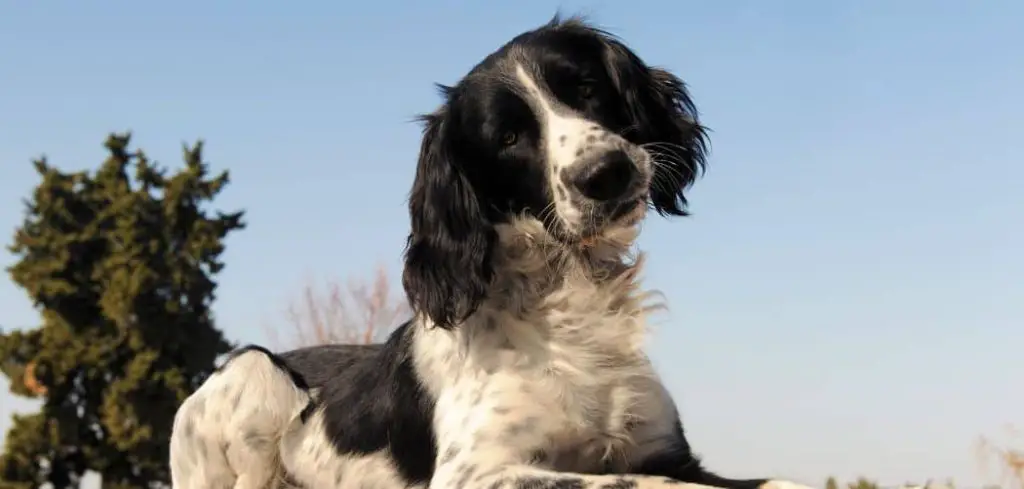
Old Dog Tilting Head to One Side: Symptoms
Head tilting in an older dog is a common sign of a problem affecting the balance system, especially the inner ear or brain.
It may appear along with symptoms such as loss of balance, stumbling, eye movement changes (nystagmus), nausea, or circling. Dogs may also seem disoriented or reluctant to move normally.
Because it often signals vestibular or neurological disease, head tilt in senior dogs should be evaluated rather than assumed to be harmless.
Old Dog Tilting Head to One Side Suddenly
A sudden head tilt in an old dog is often linked to vestibular disease, inner ear infection, or a neurological event.
The vestibular system controls balance, so when it is affected, the dog may abruptly start tilting its head, feeling dizzy or unsteady. This condition can appear very suddenly, sometimes overnight.
Even though some cases are benign (idiopathic vestibular disease), sudden onset always warrants veterinary assessment to rule out serious causes like stroke or infection.
Old Dog Tilting Head to One Side: Common Causes
Vestibular Disease
Vestibular disease is one of the most common causes of head tilting in older dogs. The vestibular system, located deep within the inner ear and brainstem, controls balance and spatial orientation.
When it becomes disrupted — due to inflammation, age-related degeneration, or unknown causes — dogs may tilt their head to help orient themselves.
This head tilt is often sudden and dramatic, accompanied by stumbling, falling, rapid eye movements, or nausea.
Many owners first mistake vestibular disease for a stroke because the symptoms appear so suddenly. Dogs may prefer lying down, seem dizzy, or vomit from the imbalance.
While some cases improve quickly, others take days or weeks for recovery, and the head tilt may persist long-term as a residual effect.
Read more: Understanding Old Dog Vestibular Disease
Middle or Inner Ear Infections
Ear infections are a major cause of head tilting in senior dogs. When bacteria or yeast invade the middle or inner ear, they create pressure, inflammation, and pain that affect the dog’s ability to hold their head normally.
A dog may tilt their head to the side of the infection to relieve discomfort or improve hearing.
Inner ear infections are more serious than outer ear infections and can affect balance, leading to difficulty walking, stumbling, or circling.
Dogs with ear infections may shake their head, scratch constantly, have a foul odor from the ear, or show discharge deep in the canal.
In older dogs, ear infections can develop quietly and may only be discovered after the dog begins tilting their head.
Read more: Old Dog Eyes Moving Back and Forth (What it means)
Stroke-Like Episodes
Although true strokes are less common in dogs than in humans, senior dogs can still experience stroke-like neurological events.
These events may interrupt blood flow to parts of the brain responsible for balance, coordination, or body orientation.
A dog experiencing a stroke-like episode may suddenly tilt their head, appear disoriented, stumble, or have one-sided weakness. Inflammation in the brain from infections, autoimmune conditions, or tumors can also disrupt the pathways that control head posture.
Dogs may develop gradual or intermittent head tilting depending on which brain structures are affected.
Stroke-like symptoms are often accompanied by behavior changes, confusion, altered consciousness, or difficulty standing.
Pain
Sometimes a head tilt is not due to balance problems but to pain. Arthritis, neck strain, spinal issues, or jaw discomfort can cause a dog to tilt their head to one side to relieve pressure.
Dogs with neck pain may avoid turning their head fully or resist being touched around the neck or shoulders.
A tilted head can help them avoid movements that trigger discomfort. Dental pain, oral infections, or abscesses may also cause subtle head tilting because chewing or moving the jaw becomes painful.
In seniors with arthritis or chronic injuries, pain-related head tilting often appears gradually and may worsen after activity.
Cognitive Dysfunction
Cognitive dysfunction, similar to dementia in humans, can interfere with a senior dog’s ability to interpret body position and environmental cues.
Some dogs tilt their head because they feel disoriented or confused about their surroundings.
They may tilt their head intermittently, especially when trying to focus on sounds or visual stimuli that no longer register clearly.
Cognitive decline can cause wandering, pacing, nighttime restlessness, and hesitation during routine activities.
A head tilt related to cognitive issues may be subtle, inconsistent, and paired with anxiety or confusion.
Tumors Affecting the Brain or Inner Ear
In some older dogs, head tilting occurs because of growths in the brain or inner ear. Tumors can press on nerves involved in balance, hearing, or motor control, leading to persistent or worsening head tilts.
Dogs with tumors often show other neurological signs such as circling, seizures, personality changes, or difficulty walking.
Although tumors may develop slowly, the symptoms often worsen steadily, and the head tilt may become more pronounced over time.
Because senior dogs are more prone to certain growths, persistent head tilting should always be evaluated thoroughly.
Vision Loss or Perception Changes
Dogs experiencing vision loss may tilt their head to compensate for reduced depth perception or difficulty focusing on objects.
A dog who cannot see well may tilt their head to improve clarity or detect movement. This type of head tilt is often gentle and intermittent and may appear more frequently in dim lighting or at night.
Older dogs with cataracts, retinal disease, or general vision decline may rely on head tilting to understand their environment better.
Vision-related head tilts are often accompanied by hesitation, bumping into objects, or staying close to walls.
Read more: Old Dog Circling and Pacing (Causes explained)
Old Dog Tilting Head to One Side and Falling Over
When head tilt is combined with falling over, the condition is more severe and usually indicates significant balance system disruption.
This can be caused by vestibular disease, brain inflammation, ear infections that spread deeper, or neurological disorders.
The dog may struggle to stand, walk in circles, or appear drunk.
This combination is a red flag and requires prompt veterinary care to determine the underlying cause and provide supportive treatment.
Old Dog Tilting Head to One Side and Shaking Head
Head tilting with frequent head shaking often points to ear disease, such as infection, mites, or inflammation in the ear canal.
The discomfort in the ear causes the dog to tilt its head while also shaking it in an attempt to relieve irritation. Pain or pressure inside the ear may also contribute.
A veterinary ear examination is important, as untreated ear infections can worsen and affect balance structures.
Read more: Old Dog Tilting Head to One Side and Shaking Head (Causes and treatment)
Old Dog Walking with Head Tilted to One Side
An older dog walking with a persistent head tilt usually has an ongoing vestibular issue or chronic ear problem.
The dog may still be able to walk but appears off-balance or slightly disoriented. In some cases, the condition improves over time, especially if it is idiopathic vestibular disease.
However, persistent head tilt should still be evaluated to rule out chronic ear infections or neurological disease.
Old Dog Tilting Head to One Side: What to Do
Begin by observing your dog closely. Note whether the head tilt appeared suddenly or gradually, and watch for additional signs such as stumbling, vomiting, ear scratching, or confusion.
Keep your dog in a calm, safe environment to prevent falls, especially if they seem dizzy or unsteady. Avoid touching or manipulating the head, neck, or ears if your dog appears in pain.
Encourage gentle rest and keep lighting soft if your dog seems disoriented. Remove obstacles or slippery surfaces to reduce the risk of injury.
Because head tilting in senior dogs almost always has a medical or neurological cause, schedule a veterinary evaluation promptly.
Even if your dog seems stable, early diagnosis is crucial for effective treatment.
When to Call or Visit Your Vet
Seek veterinary care if your old dog is tilting their head to one side and shows:
• Sudden onset of head tilt.
• Stumbling, falling, or loss of balance.
• Rapid eye movements or dizziness.
• Vomiting, nausea, or drooling.
• Ear odor, discharge, or scratching.
• Pain when moving the neck.
• Confusion, pacing, or behavior change.
• Weakness on one side of the body.
• Seizures or sudden collapse.
• Head tilt that persists or worsens over time.
Head tilting in a senior dog is always a meaningful medical sign and should never be ignored.
Read more: Old dog behavior change (Age-related behavior shifts)
Old Dog Tilting Head to One Side: Treatment
Treatment depends on the cause. Vestibular disease may improve with supportive care such as anti-nausea medication, fluids, and rest.
Ear infections require antibiotics or antifungal treatment, depending on the type of infection. If a neurological or brain-related cause is identified, more advanced treatment may be needed.
Most dogs with vestibular disease show improvement within days to weeks, but full recovery depends on the underlying condition and how quickly treatment begins.
Key Takeaway
An old dog tilting their head to one side is usually experiencing vestibular problems, ear issues, neurological changes, cognitive decline, pain, or vision loss.
While the posture can look endearing, it is almost always a sign of an underlying problem. With prompt evaluation, supportive care, and proper treatment, many dogs recover well or improve significantly.


