
An old dog tilting its head to one side and shaking its head can indicate that something is bothering the ear or affecting the dog’s balance.
Occasional head shaking can be normal, but repeated shaking combined with a persistent head tilt is different and deserves attention, particularly in a senior dog.
The meaning of these symptoms depends on whether the head tilt appeared suddenly or gradually, how frequently the dog shakes its head, and whether there are other changes such as ear discomfort, trouble walking, vomiting, unusual eye movements, or changes in behavior.
An dog’s age, medical history, previous ear problems, and the severity of the symptoms can also help determine how concerning the change may be.
Table of Contents
Old Dog Tilting Head to One Side and Shaking Head: Why It Happens
An old dog may tilt its head to one side and shake its head because an ear problem is causing discomfort or because a problem affecting the inner ear or vestibular system is disrupting balance.
In some cases, the two symptoms can occur together when disease affects structures deeper inside the ear.
A persistent head tilt can also have a neurological cause, so the combination should not automatically be assumed to be a simple ear infection.
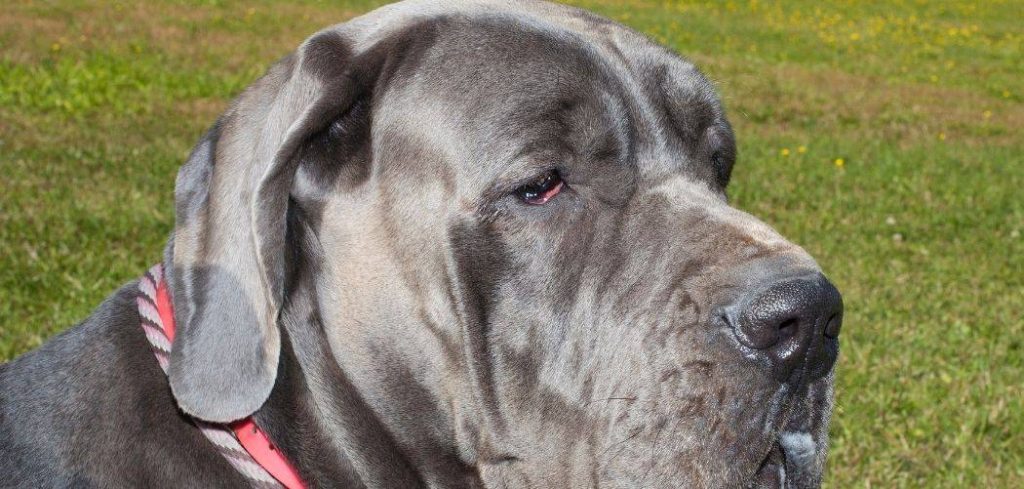
Old Dog Tilting and Shaking Its Head: Common Causes
Middle or Inner Ear Infection
An ear infection is one of the most important possibilities when a dog is repeatedly shaking its head and holding it to one side.
While outer ear infections commonly cause itching, redness, odor, and discharge, infection that involves the middle or inner ear can affect the structures responsible for balance.
A deeper ear infection may therefore cause a combination of head shaking, head tilt, pain, imbalance, or difficulty walking.
Related: Dog head tilt and stumbling (Causes and what it means)
Ear Canal Irritation or a Foreign Object
Something lodged in the ear canal can make a dog shake its head repeatedly. A small piece of plant material or other foreign material may cause significant irritation and can sometimes be difficult to see without a proper ear examination.
This possibility is particularly worth considering when the head shaking began suddenly or is focused strongly on one ear.
Chronic Ear Disease
Older dogs with a history of recurring ear problems may develop chronic inflammation or structural changes in the ear.
Persistent inflammation can be uncomfortable and, in some cases, can extend deeper into the ear.
A dog that has had repeated ear infections should therefore have the ear examined rather than assuming that a new head tilt is simply another routine flare-up.
Vestibular Disease
The vestibular system helps a dog maintain balance and understand the position of its head.
A problem involving the inner ear or parts of the brain can cause a characteristic head tilt.
Older dogs can develop idiopathic vestibular disease, sometimes called old-dog vestibular disease, in which no specific underlying cause is identified.
It can appear suddenly and may cause head tilt, leaning, stumbling, circling, falling, abnormal eye movements, nausea, or vomiting.
Although vestibular disease can look frightening, some older dogs improve considerably with appropriate veterinary care.
The fact that a dog is old does not by itself mean that a sudden head tilt is irreversible.
Related: Old Dog Vestibular Disease (Signs, causes and treatment)
Neurological Disease
A head tilt can sometimes originate from a problem affecting the brain rather than the ear.
Conditions involving inflammation, infection, a stroke-like event, or a growth affecting the nervous system can produce balance abnormalities and changes in head position.
Neurological causes become more concerning when the head tilt is accompanied by marked disorientation, weakness, abnormal behavior, seizures, difficulty walking, or other neurological changes.
Medication-Related or Toxic Effects
Certain medications or toxic exposures can affect the ear or nervous system and contribute to balance problems. The relevance depends on what the dog has recently received and its overall health.
This is one reason it is useful to tell the veterinarian about all medications, supplements, treatments, and recent exposures.
Why Is My Old Dog Shaking Its Head but Tilting It to One Side?
When head shaking and a head tilt occur together, an ear problem is an important possibility, particularly if the dog also scratches at one ear, rubs its face, reacts when the ear is touched, or has odor or discharge.
However, a head tilt is more strongly associated with the balance system than ordinary ear irritation.
If the dog is also stumbling, leaning, circling, falling, or showing unusual eye movements, the veterinarian may need to investigate the middle or inner ear or the nervous system rather than focusing only on the outer ear.
Read more: Old dog tilting head to one side (Here’s why)
When a Head Tilt Is More Concerning in an Older Dog
The urgency depends partly on what else is happening. A dog with a mild, longstanding tilt and no other changes may have a different problem from a dog that suddenly develops a pronounced tilt and cannot walk normally.
Pay particular attention if the symptoms are accompanied by:
Falling, stumbling, or difficulty standing
Walking in circles or repeatedly leaning to one side
Rapid involuntary eye movements
Vomiting or pronounced nausea
Severe disorientation or confusion
Marked weakness or unusual lethargy
Seizures or other sudden neurological changes
Severe ear pain, swelling, or discharge
Sudden worsening of the symptoms
These signs can occur with significant vestibular, ear, or neurological disease and warrant prompt veterinary assessment.
When to Call or Visit the Vet
A persistent head tilt in an older dog should be evaluated by a veterinarian, even if the dog otherwise seems fairly comfortable.
Contact your veterinarian immediately if your dog develops:
A new or sudden head tilt
Repeated or persistent head shaking
Loss of balance, stumbling, or falling
Vomiting or difficulty eating and drinking
Rapid eye movements
Ear pain, odor, redness, or discharge
Marked confusion or disorientation
Weakness, seizures, or other sudden neurological changes
Sudden severe balance problems or multiple neurological signs warrant urgent veterinary attention rather than waiting to see whether they disappear.
Old Dog Tilting Head to One Side and Shaking Head: Treatment
Treatment depends on the underlying cause. For an ear infection or ear mites, a veterinarian may clean the ear and prescribe appropriate ear medication. If the problem is related to a foreign object, growth, or damaged eardrum, additional treatment or removal may be needed.
A persistent head tilt caused by vestibular or neurological disease may require supportive care and treatment of the underlying condition.
Because a new head tilt can indicate an inner-ear or neurological problem, an older dog should be examined rather than treated at home. The veterinarian may examine the ears and perform a neurological assessment, with additional tests if needed.
Key Takeaway
An old dog tilting its head to one side and shaking its head should not automatically be dismissed as a normal part of aging.
The combination can occur with ear disease, vestibular problems, or neurological conditions, and the difference cannot be determined from the head position alone.
If the head tilt is new, persistent, or accompanied by balance problems, vomiting, abnormal eye movements, pain, confusion, or other neurological changes, veterinary evaluation is important.
Some causes, including certain forms of vestibular disease, can improve substantially, while others require specific treatment or further investigation.


