
If your dog keeps scratching his face until he bleeds, it usually means the itching is severe enough to cause self-inflicted skin injuries.
You may notice red patches, scabs, missing fur, swelling, or raw areas around the cheeks, muzzle, ears, and eyes.
We’ll explain the common causes of a dog scratching its face until it bleeds, what you can do at home, and when to contact a veterinarian.
Table of Contents
My Dog Keeps Scratching His Face Until It Bleeds: Here's Why
A dog may scratch its face until it bleeds when an allergic reaction, parasite infestation, ear problem, or skin infection causes persistent irritation around the head and muzzle.
Allergies are particularly common causes of facial itching, but fleas, mites, bacterial infections, and yeast overgrowth can produce similar symptoms.
Repeated scratching damages the skin, creating sores and allowing secondary infections to develop, which can intensify the itching.
The location of the itching can provide useful clues. For example, a dog scratching around the ears may have an ear infection or ear mites, while itching around the eyes, muzzle, and cheeks may be associated with allergic skin disease.
Because your dog is already scratching until the skin bleeds, it is important to stop further injury and arrange veterinary care rather than treating the problem as ordinary itching.
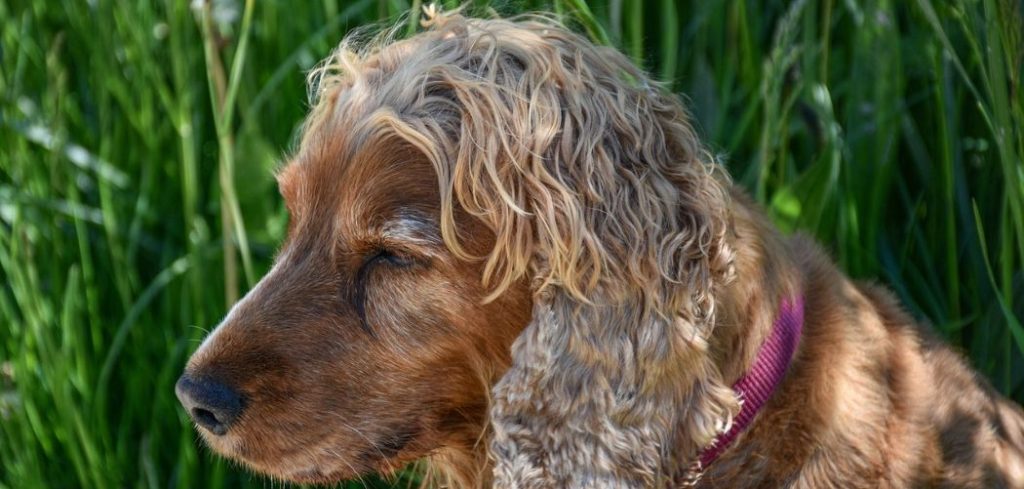
Dog Scratching His Face Until It Bleeds: Causes
1. Environmental Allergies (Atopic Dermatitis)
Environmental allergies are a common cause of persistent facial itching in dogs.
They occur when a dog’s immune system reacts to substances in the environment, such as pollen, grasses, dust mites, or mold.
The face, ears, paws, and underside of the body are commonly affected. Your dog may repeatedly rub his face against furniture, scratch his cheeks, or use his paws to reach itchy areas around the eyes and muzzle.
As the scratching continues, the skin can become red, inflamed, and damaged. Secondary bacterial or yeast infections may then develop, making the itching more difficult to control.
Some dogs experience seasonal flare-ups, while others remain itchy throughout the year.
Read more: Dog Excessively Itching but No Fleas (Here’s Why)
2. Food Allergies
Food allergies can cause persistent itching, particularly around the face, ears, and paws.
They develop when a dog’s immune system reacts to a particular food ingredient, often a protein.
Repeated face scratching, ear irritation, paw licking, redness, or recurring skin infections may be noticed. Some dogs also experience digestive symptoms such as vomiting, soft stools, or diarrhea.
Unlike seasonal environmental allergies, food-related itching may continue throughout the year because the triggering ingredient remains in the dog’s diet.
A veterinarian may recommend a carefully controlled elimination diet to investigate whether food allergy is responsible.
Read more: Dog Excessively Itching Face (Here’s Why)
3. Ear Infection (Otitis)
An ear infection can cause intense irritation that makes a dog scratch the side of his face, cheeks, and ears until the skin becomes injured.
Bacterial and yeast infections can develop inside the ear canal, producing inflammation, itching, and discomfort.
Other signs include frequent head shaking, ear scratching, redness, discharge, unpleasant odor, and sensitivity when the ear is touched.
Some dogs scratch the surrounding face rather than concentrating only on the ear.
If your dog has an ear infection, treating the irritated facial skin alone will not resolve the problem. The underlying ear condition must also be addressed.
4. Fleas and Flea Allergy Dermatitis
Flea bites can cause intense itching, particularly in dogs that are sensitive to flea saliva.
Even a small number of flea bites can trigger a strong allergic reaction in susceptible dogs.
Although flea-related irritation is commonly associated with the back, tail base, and hindquarters, some dogs develop more widespread itching that includes the face and ears.
Repeated scratching can damage the skin, resulting in redness, scabs, hair loss, and secondary infections.
Not seeing fleas does not completely rule out flea allergy because dogs may remove visible fleas through grooming.
5. Mites and Mange
Mites are microscopic parasites that can cause significant skin irritation in dogs.
Sarcoptic mange, also known as canine scabies, can produce intense itching, redness, crusting, and hair loss. The ears, face, elbows, and legs may be affected.
Demodectic mange can also cause facial hair loss and skin inflammation, although itching may be more pronounced when secondary infections develop.
Scaly patches, crusts, bald areas, or sores around the eyes and muzzle may also be noticed.
Some forms of mange can spread between animals, and sarcoptic mange can also cause temporary skin irritation in people. Veterinary testing is important to identify the type of mite and select appropriate treatment.
6. Bacterial Skin Infection
Bacterial skin infections can cause redness, inflammation, itching, and painful sores.
They may develop as a primary skin problem or occur after repeated scratching damages the protective skin barrier.
A dog may develop crusts, scabs, hair loss, small skin lesions, discharge, or an unpleasant odor.
Once infection develops, the irritation can become more intense, encouraging further scratching and creating a cycle of skin damage.
Facial skin infections sometimes occur alongside allergies or ear disease, so the veterinarian needs to investigate the original trigger as well as the infection.
7. Yeast Infection
Yeast organisms can multiply on the skin when the normal skin environment becomes disrupted, particularly in dogs with underlying allergies.
Yeast-related skin disease may cause persistent itching, redness, greasy skin, and an unpleasant or musty smell.
The face, ears, paws, and skin folds may become irritated.
Some dogs develop darker, thicker skin when the problem has been present for a long time.
Yeast infections can worsen existing allergic itching, so both the infection and its underlying cause may need treatment.
8. Contact Dermatitis
Contact dermatitis occurs when the skin reacts to something it touches.
Possible irritants include scented cleaning products, detergents, grooming products, shampoos, and other substances that come into contact with the face.
A dog may develop localized redness, itching, swelling, or irritation around the muzzle and cheeks.
If the reaction is severe, repeated scratching can damage the skin and cause bleeding.
Consider whether the itching began after a new grooming product, household cleaner, bedding detergent, or other environmental change.
9. Eye or Facial Irritation
Problems affecting the eyes or surrounding tissues can make a dog rub or scratch the face repeatedly.
Eye inflammation, irritation, and some infections can cause discomfort around the eyelids and cheeks.
You may notice watery eyes, redness, squinting, frequent blinking, or discharge alongside the scratching.
However, facial scratching near the eyes should not automatically be attributed to an eye problem because allergies and skin infections can produce similar signs.
If your dog is squinting, cannot open an eye normally, or has swelling around the eye, seek prompt veterinary attention.
Read more: Dog Losing Hair and Itching (What’s Normal and What’s Not?)
Dog Keeps Scratching His Face Until It Bleeds: What to Do
1. Arrange a Veterinary Examination
Because your dog is already injuring his skin, arrange a veterinary appointment today.
The veterinarian needs to determine whether the itching is caused by allergies, parasites, an ear infection, or a bacterial or yeast infection.
Treating the underlying problem is important because the skin may continue to become damaged if the itching is not controlled.
2. Prevent Further Scratching
A properly fitted protective cone or recovery collar may help prevent your dog from reaching the affected areas while waiting for veterinary care.
Make sure it does not interfere with breathing, eating, or drinking. If your dog continues injuring himself despite wearing it, contact your veterinarian.
3. Gently Clean Minor Skin Wounds
If there is dirt around an affected area, gently clean the external skin with sterile saline and clean gauze.
Avoid scrubbing, rubbing, or removing scabs.
Do not apply alcohol, hydrogen peroxide, essential oils, human creams, or strong antiseptics, particularly around the eyes.
4. Check the Ears and Surrounding Skin
Look for redness, discharge, unpleasant smells, crusting, or swelling around the ears and face.
Notice whether your dog scratches both sides of the face or repeatedly targets one particular area.
These observations can help your veterinarian identify whether the problem involves the ears, skin, or a more generalized allergic condition.
5. Review Recent Changes
Think about whether your dog recently started eating a different food, received a new shampoo, encountered a new cleaning product, or spent time in an area with more insects or pollen.
Share these details with your veterinarian because they may help identify a possible trigger.
6. Avoid Giving Medication Without Veterinary Advice
Do not give human antihistamines, painkillers, antibiotics, or anti-itch creams without veterinary instructions.
Different causes of facial itching require different treatments. For example, medication that reduces allergic inflammation may not resolve an untreated bacterial or yeast infection.
When to Call or Visit Your Vet
A dog scratching his face until it bleeds needs veterinary assessment today.
Open skin wounds can become infected, and continued scratching can cause further damage.
Seek urgent veterinary attention if you notice:
Swelling around the eyes, muzzle, or face.
Squinting or inability to open an eye normally.
Pus or unpleasant-smelling discharge from the wounds.
Increasing redness, warmth, or swelling around the affected skin.
Bleeding that does not stop.
Severe facial irritation that prevents your dog from resting.
Sudden facial swelling accompanied by vomiting, weakness, or breathing difficulties.
Difficulty breathing, collapse, or rapidly developing facial swelling requires emergency veterinary care.
Dog Keeps Scratching His Face Until It Bleeds: Treatment
Treatment depends on the underlying cause and the severity of the skin damage.
Your veterinarian will examine the face, ears, and surrounding skin and may perform skin scrapings to look for mites, skin cytology to identify bacterial or yeast infections, and fungal testing when appropriate.
If allergies are suspected, a detailed history and possibly a controlled elimination diet or allergy investigations may be recommended.
Treatment may involve prescribed parasite control, antibiotics or antifungal medication for confirmed infections, and appropriate anti-itch medication to reduce inflammation and prevent further skin damage.
Any open wounds will also need appropriate care. If the itching persists or repeatedly returns, further investigation or referral to a veterinary dermatologist may be necessary.
Key Takeaway
If your dog keeps scratching his face until it bleeds, the most likely explanations include allergies, ear infections, parasites, and bacterial or yeast skin infections.
The scratching itself can damage the skin and create secondary infections, making the itching even worse.
Although allergies are a common cause of facial itching, they should not be assumed without investigating other possibilities.
Arrange a veterinary examination today, protect the affected skin from further scratching, and focus on identifying the underlying cause so your dog can receive appropriate treatment.


