
Dog eye discharge and loss of appetite can occur together when a dog is experiencing an eye problem, pain, infection, or an illness affecting the body more generally.
Eye discharge may be watery, stringy, cloudy, yellow, or green, while loss of appetite can range from eating less than usual to refusing food altogether.
A small amount of eye discharge may occur with relatively localized problems such as conjunctivitis or tear-duct irritation.
However, when a dog also stops eating or shows a clear reduction in appetite, it is important to consider whether the dog is feeling generally unwell, experiencing significant discomfort, or has another condition occurring alongside the eye problem.
Eye disorders themselves can also be painful, and some generalized diseases can produce ocular signs.
Table of Contents
Dog Eye Discharge and Loss of Appetite: Why It Happens
A dog may have eye discharge and loss of appetite because an eye problem is causing pain or because an underlying infection or generalized illness is affecting the whole body.
Painful eye conditions such as glaucoma or uveitis can be accompanied by lethargy and reduced appetite, while infectious and systemic diseases can produce both eye abnormalities and appetite changes.
If the dog is refusing food and has persistent eye discharge, the cause should be investigated rather than treating the eye discharge alone.
A painful or cloudy eye, severe lethargy, vomiting, weakness, vision changes, or complete refusal to eat requires immediate veterinary assessment.
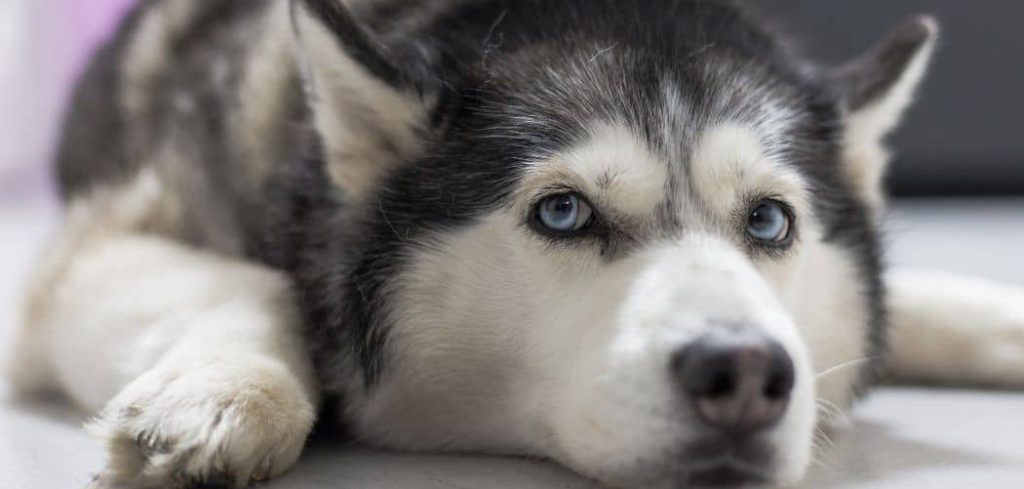
Dog Eye Discharge and Loss of Appetite: Common Causes
Conjunctivitis
Conjunctivitis is inflammation of the conjunctiva and commonly causes eye discharge, redness, swelling, increased blinking, or squinting.
The discharge may be cloudy, yellow, or greenish. Conjunctivitis can occur in one or both eyes and may accompany respiratory signs such as nasal discharge, sneezing, or coughing.
Mild conjunctivitis does not necessarily cause a major loss of appetite. If a dog with eye discharge is also refusing food, the veterinarian may need to determine whether there is a more significant infection, pain, or another illness involved.
Related: Dog mucus eye discharge (Causes and treatment)
Upper Respiratory Infection
Respiratory infections can cause eye discharge along with nasal discharge, sneezing, coughing, fever, and reduced appetite.
Some dogs remain fairly active during a mild respiratory infection, while others become tired and eat less as they become more unwell.
When eye discharge occurs with respiratory signs and appetite loss, a broader examination may be more appropriate than focusing on the eyes alone.
Related: Dog Eye Discharge and Not Eating and Lethargic (Causes and treatment)
Fever or Systemic Infection
An infection affecting the body can cause a dog to become less interested in food while also producing eye discharge.
Depending on the underlying infection, a dog may also develop fever, lethargy, nasal discharge, coughing, vomiting, diarrhea, or weakness. Some infectious diseases can have both ocular and systemic manifestations.
The combination of eye discharge and appetite loss therefore deserves more attention when the dog also appears generally sick.
Canine Distemper
Canine distemper is a contagious viral disease that can affect multiple body systems.
It can cause eye and nasal discharge along with fever, lethargy, loss of appetite, respiratory disease, digestive problems, and, in some dogs, neurologic signs. Vaccination substantially reduces the risk.
Distemper is not the explanation for every dog with eye discharge and poor appetite, but it is an important consideration when ocular discharge is accompanied by significant systemic illness, particularly in an incompletely vaccinated or otherwise at-risk dog.
Corneal Ulcer or Eye Injury
A scratch or ulcer affecting the cornea can be extremely uncomfortable.
Dogs with corneal disease may develop tearing, discharge, redness, squinting, excessive blinking, or reluctance to open the eye. Significant eye pain can cause a dog to become quieter and less interested in food.
A dog that suddenly develops eye discharge and refuses food, particularly while squinting or holding an eye closed, should be examined rather than assuming the problem is simple conjunctivitis.
Glaucoma
Glaucoma occurs when pressure inside the eye becomes abnormally high.
Acute glaucoma can cause severe eye pain, redness, a cloudy or bluish cornea, pupil changes, vision loss, and an enlarged or bulging appearance of the eye. Dogs may also become lethargic and lose their appetite.
A painful, abnormal-looking eye combined with loss of appetite warrants prompt veterinary attention because acute glaucoma can cause rapid, potentially irreversible vision loss.
Dry Eye
Dry eye, or keratoconjunctivitis sicca, occurs when the eyes do not produce enough tears.
Affected dogs commonly develop persistent, thick or mucus-like discharge and red, irritated eyes. Corneal sores and scarring can develop when dry eye is not adequately controlled.
Dry eye is primarily an eye disorder, so marked appetite loss would make it important to look for significant pain or another condition occurring at the same time.
Inflammation Inside the Eye
Inflammation affecting deeper structures of the eye can cause redness, tearing, discharge, squinting, and changes in the appearance of the eye.
These conditions can be painful, and a painful dog may become quieter or less interested in food. Some forms of eye inflammation can also occur as manifestations of infectious, immune-mediated, metabolic, or other systemic disease.
Eyelid or Eyelash Problems
Eyelids or eyelashes that repeatedly rub against the eye can cause chronic irritation and discomfort.
Problems such as inward-rolling eyelids or abnormal eyelashes may lead to redness, watering, discharge, corneal injury, and pain.
A localized eyelid problem would not usually explain substantial appetite loss on its own, so a dog that is refusing food may need evaluation for pain or another concurrent illness.
Dental or Facial Disease
Disease affecting the teeth, mouth, or tissues around the eye can sometimes produce both ocular signs and reduced appetite.
An upper tooth-root infection, for example, can affect tissues close to the eye. Affected dogs may also have facial swelling, bad breath, difficulty chewing, or discomfort when eating.
Loss of appetite can be especially relevant when the dog seems interested in food but has difficulty picking it up, chewing, or opening the mouth.
Tear-Duct or Tear-Sac Disease
The eyes and nose are connected through the nasolacrimal tear ducts.
Blocked or inflamed tear ducts can cause persistent tearing and discharge, sometimes affecting mainly one eye.
A localized tear-drainage problem would not usually account for significant appetite loss by itself. If the dog is also refusing food, another cause of illness or discomfort should be considered.
Generalized Illness Affecting the Eyes
Some diseases affecting the whole body can also produce eye abnormalities.
Infectious, metabolic, blood-related, neurologic, and other systemic disorders may have ocular manifestations.
When both eyes are affected alongside changes in appetite or other signs of illness, veterinarians may look for an underlying systemic condition rather than assuming the problem is limited to the eye.
Related: Old Dog Eye Discharge (Signs, Causes and treatment)
Dog Eye Discharge and Loss of Appetite but Still Drinking
A dog that has eye discharge and is eating less but continues to drink may have a mild illness, pain, or an early-stage infection.
Continued drinking is reassuring with regard to hydration, but it does not identify the cause. A dog with significant eye pain, fever, or an infection can continue drinking while refusing food.
Pay attention to whether the appetite is improving or declining and whether other signs such as lethargy, vomiting, diarrhea, fever, coughing, nasal discharge, or eye pain develop.
Dog Eye Discharge and Loss of Appetite but Acting Normal
Some dogs with mild eye disease continue to behave normally despite eating less than usual.
However, a noticeable change in appetite is still worth monitoring because dogs may show reduced interest in food before more obvious signs of illness appear.
A dog that remains active but repeatedly refuses meals, particularly when eye discharge is persistent, should be evaluated if the problem does not resolve.
If the dog appears interested in food but cannot comfortably chew or open its mouth, pain involving the mouth or face should also be considered.
Dog Eye Discharge and Loss of Appetite With Lethargy
Eye discharge, loss of appetite, and lethargy together are more concerning than eye discharge alone.
This combination can occur with systemic infection, fever, significant pain, respiratory illness, or other conditions affecting the whole body.
Canine distemper, for example, can produce eye and nasal discharge along with lethargy and appetite loss.
A dog that is increasingly tired, unwilling to eat, or otherwise appears sick should receive veterinary attention rather than having the eye discharge treated in isolation.
Dog Eye Discharge and Loss of Appetite With Vomiting or Diarrhea
When eye discharge and appetite loss occur alongside vomiting or diarrhea, the possibility of a broader systemic illness becomes more important.
Gastrointestinal signs can contribute to poor appetite and weakness, while some infections can affect several body systems at once. Dehydration can also become a concern when a dog is losing fluids and not eating normally.
Veterinary evaluation is particularly appropriate when gastrointestinal symptoms are persistent, severe, or accompanied by significant lethargy or weakness.
When to Call or Visit the Vet
Have your dog evaluated if eye discharge is persistent, recurrent, or accompanied by a noticeable reduction in appetite.
Seek immediate veterinary attention if your dog has:
Completely stopped eating or is refusing multiple meals
Marked lethargy or weakness
A painful eye or persistent squinting
An eye that is cloudy, blue, swollen, enlarged, or bulging
Severe redness or swelling around the eye
Thick, persistent, or bloody discharge
Sudden vision changes
Fever or significant weakness
Vomiting or diarrhea together with poor appetite
Difficulty chewing, swallowing, or opening the mouth
Facial swelling or obvious mouth pain
Difficulty breathing
Neurologic changes such as seizures, severe confusion, or difficulty walking
A recent injury or possible foreign object involving the eye
Symptoms that are rapidly worsening
A painful or cloudy eye accompanied by appetite loss deserves prompt attention, particularly if the eye appears enlarged or vision seems affected.
Acute glaucoma, for example, can cause severe pain, appetite loss, and rapid vision loss.
Dog Eye Discharge and Loss of Appetite: Treatment
Treatment depends on whether the underlying problem is primarily ocular or part of a broader illness. The veterinarian may examine the eyes, eyelids, cornea, pupils, and tear production, with tests such as fluorescein staining or measurement of eye pressure when appropriate.
If the appetite loss suggests systemic disease, blood tests, urine testing, infectious-disease testing, dental evaluation, or imaging may also be appropriate.
Treatment is then directed at the diagnosis, which may involve veterinary-prescribed eye medication, treatment for an infection or systemic illness, management of pain, or other diagnosis-specific care.
Key Takeaway
Dog eye discharge and loss of appetite can occur with conjunctivitis, respiratory infection, corneal injury, glaucoma, dry eye, dental or facial disease, systemic infection, or other illnesses affecting the eyes and body.
Eye discharge alone may sometimes be a localized problem, but a meaningful change in appetite makes the combination more important to evaluate.
Pay particular attention to eye pain, squinting, cloudiness, vision changes, lethargy, fever, vomiting, diarrhea, facial swelling, and complete refusal of food.
These additional signs can indicate that the dog is dealing with more than uncomplicated eye irritation.
If your dog is not eating and also has persistent eye discharge, especially if the dog seems painful or generally unwell, a veterinarian can determine whether the problem is confined to the eye or reflects an underlying illness requiring broader treatment.