
A puppy panting for no obvious reason can worry owners, especially when the puppy is resting or not active.
While panting is normal after exercise, excitement, or heat, unexplained panting may sometimes signal stress, discomfort, illness, overheating, or an underlying medical issue.
Table of Contents
Puppy Panting for No Reason: Why It Happens
A puppy panting for no reason is often reacting to excitement, stress, heat, mild digestive upset, teething discomfort, or environmental changes.
Puppies naturally pant more easily than adult dogs because they have high energy levels and immature temperature regulation. Some puppies also pant when anxious, overstimulated, tired, or adjusting to new surroundings.
In more serious cases, excessive panting can occur with pain, fever, breathing problems, poisoning, or congenital heart conditions.
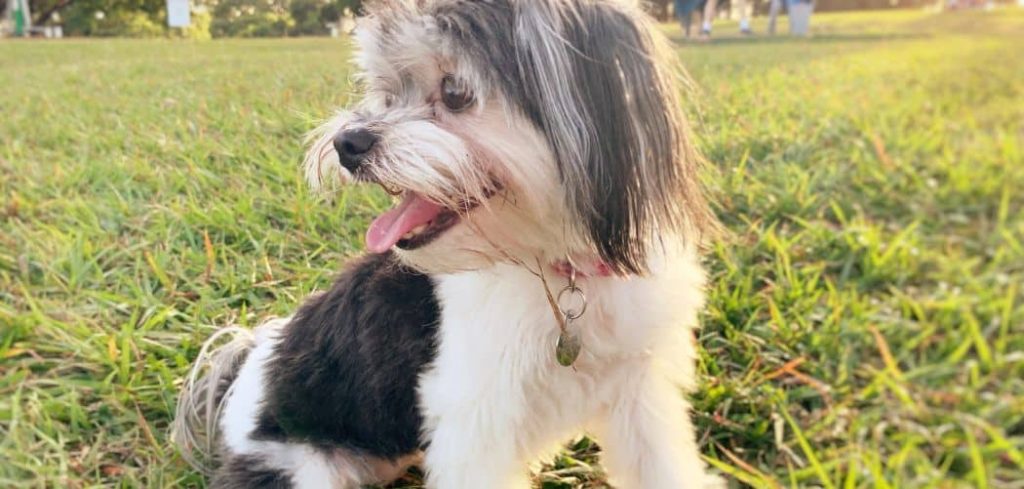
Is Panting Normal in Puppies?
Panting is very common in puppies and is often completely normal after play, excitement, warm weather, or stressful situations.
However, persistent panting without an obvious trigger should still be monitored carefully.
Puppies can become overheated and dehydrated faster than adult dogs, and unusual panting may occasionally be an early sign of illness or respiratory trouble.
Puppy Panting for No Reason: Signs
Puppies with unexplained panting may show additional signs depending on the cause.
Common signs include:
Rapid breathing or panting
Restlessness or pacing
Warm body temperature
Whining or clinginess
Low energy or tiredness
Drooling
Reduced appetite
Puppy Panting for No Reason: Common Causes
Excitement or Overstimulation
Puppies become excited very easily, and excitement commonly triggers panting even when they are not physically active.
New people, playtime, training, visitors, or busy environments can all increase breathing rate temporarily.
Some puppies continue panting for a while after excitement because their bodies are still calming down.
Overheating
Puppies regulate body temperature less efficiently than adult dogs and may begin panting quickly in warm rooms, direct sunlight, or humid environments.
Flat-faced breeds such as Bulldogs and Pugs are especially sensitive to overheating. Excessive heat can rapidly become dangerous if the puppy cannot cool down properly.
Stress
New homes, crate training, separation, loud noises, travel, or unfamiliar situations can make puppies anxious. Stress-related panting is often accompanied by whining, pacing, or clingy behavior.
Young puppies are still adjusting emotionally to their environment, so temporary nervous panting is fairly common during major transitions.
Read more: Dog Panting Excessively and Restless (Causes explained)
Teething Discomfort
Teething can cause mild discomfort, irritability, and restlessness in puppies. Some puppies pant more while dealing with sore gums or chewing discomfort.
You may also notice chewing, drooling, or an increased desire to bite objects during this stage.
Pain or Illness
Panting can be an early sign that a puppy is uncomfortable or unwell. Digestive upset, injury, fever, infections, or abdominal pain may all increase breathing rate.
Puppies with illness often show additional symptoms such as lethargy, vomiting, diarrhea, appetite loss, or unusual behavior changes.
Respiratory Problems
Respiratory infections, airway irritation, or congenital breathing abnormalities may cause excessive panting or rapid breathing.
Puppies with breathing issues may wheeze, cough, struggle during activity, or appear unable to settle comfortably.
Congenital Heart Conditions
Some puppies are born with heart abnormalities that affect circulation and oxygen delivery. Heart-related panting may occur even during rest.
Affected puppies may tire easily, grow poorly, or breathe faster than expected compared to other puppies their age.
Puppy Panting for No Reason: What to Do
If your puppy is panting unexpectedly, first check the environment for heat, excitement, or stress triggers. Move your puppy to a cool, quiet area and allow them to rest calmly.
Offer fresh water and avoid intense play or exercise until the panting settles. Puppies can overheat quickly, especially during warm weather or active play sessions.
Watch for additional symptoms such as coughing, vomiting, weakness, pale gums, or breathing difficulty. These signs may indicate a more serious issue.
Maintain a calm routine and avoid overwhelming your puppy with excessive stimulation if stress or anxiety seems to be contributing.
If the panting occurs mainly after excitement and resolves normally afterward, the behavior may simply reflect normal puppy energy and emotional excitement.
When to Call or Visit Your Vet
You should contact your veterinarian if your puppy’s panting becomes persistent, excessive, or occurs regularly without a clear explanation.
Seek immediate veterinary care if your puppy struggles to breathe, has blue or pale gums, collapses, becomes extremely lethargic, or shows signs of overheating, such as weakness and heavy drooling.
Urgent evaluation is also important if panting occurs alongside vomiting, diarrhea, coughing, fever, or refusal to eat.
Very young puppies can deteriorate quickly when ill, so sudden changes in breathing should always be monitored carefully.
Puppy Panting for No Reason: Treatment
Veterinary treatment depends on the underlying cause of the panting. Your veterinarian may perform a physical exam, listen to the heart and lungs, and recommend bloodwork or imaging if necessary.
Mild stress-related panting may improve with routine, reassurance, and environmental management.
Puppies with infections, fever, or respiratory disease may require medication, fluids, or supportive care.
Heat-related panting may require cooling measures and emergency treatment if overheating becomes severe.
Heart conditions or congenital abnormalities may require specialized monitoring and long-term management depending on the diagnosis.
Recovery and Monitoring
Many puppies improve quickly once excitement, stress, or overheating resolves. Mild temporary panting often disappears as puppies mature and become more emotionally settled.
Monitor your puppy closely for recurring breathing changes, low energy, or worsening symptoms. Puppies with chronic respiratory or heart issues may need ongoing veterinary follow-up.
Keeping a record of when the panting occurs can help identify triggers such as activity, heat, stress, or feeding times.
Key Takeaway
A puppy panting for no reason is often reacting to excitement, heat, stress, or normal puppy behavior, but persistent or excessive panting should never be ignored completely.
Careful observation and prompt veterinary care when symptoms worsen can help identify serious problems early. With proper monitoring and supportive care, most puppies recover well and continue developing normally.


