
An old dog panting excessively for no obvious reason can be concerning, especially when the panting happens during rest or at night.
Some panting is normal after exercise or in warm weather, but excessive panting in senior dogs often points to pain or underlying medical conditions that require attention.
Table of Contents
Old Dog Panting Excessively for No Reason: Why It Happens
An old dog panting excessively for no reason is often experiencing pain, anxiety, overheating, cognitive decline, heart disease, respiratory problems, or hormonal illness.
Senior dogs may pant more because aging affects how their body regulates stress, discomfort, and temperature. Some older dogs pant due to arthritis or internal pain, while others develop breathing changes from heart or lung disease.
In certain cases, excessive panting can also signal an emergency such as heatstroke or severe respiratory distress.
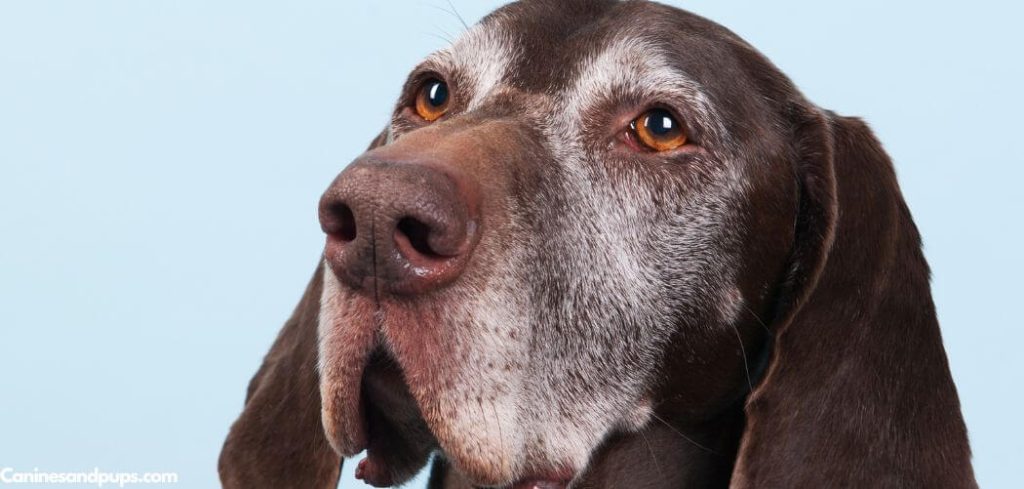
Is Excessive Panting Normal in Senior Dogs?
Mild panting after activity or during warm weather can still be normal in older dogs. However, persistent or unexplained panting while resting is not considered normal and should be monitored carefully.
Senior dogs are more likely to have hidden medical conditions contributing to abnormal breathing patterns.
If excessive panting appears suddenly or becomes frequent, veterinary evaluation is important.
Old Dog Panting Excessively for No Reason: Additional Symptoms
Senior dogs with excessive panting may show several additional symptoms depending on the underlying cause.
Common symptoms include:
Heavy or rapid panting
Restlessness or pacing
Difficulty settling down
Increased thirst
Weakness or low energy
Coughing or noisy breathing
Anxiety or confusion
Old Dog Panting Excessively for No Reason: Common Causes
Arthritis and Chronic Pain
Pain is one of the most common reasons older dogs pant excessively. Arthritis, spinal disease, joint inflammation, and other painful conditions can increase stress hormones and breathing rate.
Dogs in pain may pant more heavily while resting, struggle to get comfortable, or pace around the house. Some also hesitate to climb stairs or jump onto furniture.
Read more: Old Dog Making Weird Breathing Noises (Common causes)
Cognitive Dysfunction
Canine cognitive dysfunction, similar to dementia in humans, commonly affects senior dogs and can cause nighttime anxiety, confusion, and excessive panting.
Affected dogs may wander aimlessly, stare into space, pace during the night, or seem unable to settle. Panting often worsens when the dog feels disoriented or stressed.
Related: Old Dog Syndrome (Signs, causes and treatment)
Heart Disease
Heart disease can interfere with oxygen circulation and place extra strain on breathing. Older dogs with heart problems may pant excessively even during mild activity or rest.
Some dogs also cough, tire easily, or breathe faster than normal. In advanced cases, fluid buildup around the lungs can make breathing increasingly difficult.
Respiratory Disease
Lung disease, collapsing airways, chronic bronchitis, or airway inflammation may all cause excessive panting in older dogs.
Dogs with respiratory problems may wheeze, cough, or appear short of breath after minimal activity. Small breeds are especially prone to airway collapse as they age.
Stress
Senior dogs sometimes become more anxious with age, particularly if they develop hearing loss, vision problems, or cognitive changes.
Stress-related panting may occur during storms, nighttime hours, travel, or changes in routine. Some older dogs become clingy or restless alongside the panting.
Cushing’s Disease
Cushing’s disease is a hormonal disorder common in older dogs and frequently causes excessive panting.
Affected dogs often drink and urinate more, develop increased appetite, gain abdominal weight, and experience thinning fur along with heavy panting.
Overheating
Older dogs regulate body temperature less efficiently than younger dogs. Warm temperatures, humidity, obesity, or thick fur may cause excessive panting even indoors.
Flat-faced breeds and overweight senior dogs are especially vulnerable to overheating and heat exhaustion.
Old Dog Panting Excessively for No Reason: What to Do
If your old dog is panting excessively, move them to a cool, quiet area and allow them to rest comfortably. Ensure fresh water is always available.
Observe whether the panting occurs mainly at night, after movement, during stress, or while resting. Identifying patterns may help determine the underlying cause.
Keep activity gentle if your dog appears uncomfortable or tired. Senior dogs with arthritis or heart disease may worsen with overexertion.
Monitor for additional symptoms such as coughing, limping, confusion, appetite changes, or breathing difficulty. These clues can help your veterinarian identify the problem more quickly.
Avoid overheating by keeping your dog indoors during very hot weather and providing proper ventilation.
When to Call or Visit Your Vet
You should contact your veterinarian if your old dog’s panting becomes persistent, worsens suddenly, or occurs frequently during rest.
Seek immediate veterinary care if your dog struggles to breathe, collapses, develops blue or pale gums, or cannot settle comfortably. Severe respiratory distress and heatstroke can become life-threatening quickly.
Urgent evaluation is also important if panting occurs alongside coughing, vomiting, weakness, abdominal swelling, or confusion.
Senior dogs with chronic illnesses or sudden personality changes should be examined promptly because underlying disease is common in aging pets.
Old Dog Panting Excessively for No Reason: Treatment
Veterinary treatment depends on the cause of the excessive panting. Your veterinarian may perform bloodwork, chest X-rays, heart evaluation, or respiratory assessment.
Dogs with arthritis or chronic pain often improve significantly once pain management begins. Anti-inflammatory medications, joint support, and mobility care may reduce stress-related panting.
Heart and lung diseases may require medications to improve breathing and circulation. Dogs with Cushing’s disease may need long-term hormonal treatment.
Anxiety and cognitive dysfunction may improve with environmental adjustments, calming support, prescription diets, or medication.
Recovery and Monitoring
Recovery depends heavily on identifying and managing the underlying cause. Mild stress-related panting may improve quickly, while chronic diseases often require long-term treatment.
Monitor your old dog closely for worsening breathing changes, nighttime restlessness, appetite loss, or mobility decline.
Regular veterinary checkups become increasingly important as dogs age because many senior health problems develop gradually.
Keeping your dog comfortable, cool, and on a consistent routine often helps reduce stress and breathing strain over time.
Key Takeaway
An old dog panting excessively for no reason is often dealing with pain, anxiety, cognitive decline, heart disease, or respiratory problems. While mild panting can be normal occasionally, persistent heavy panting during rest should never be ignored in senior dogs.
Early veterinary evaluation and supportive care can greatly improve comfort and quality of life.
Identifying the underlying cause quickly is the best way to help your dog breathe and rest more comfortably.


