
A dog suddenly developing a pink spot on the nose can surprise owners, especially if the nose was previously fully dark or black.
In some cases, the change is harmless and related to pigmentation changes, but pink spots can also appear because of irritation, injury, or autoimmune disease.
Table of Contents
Dog Suddenly Has Pink Spot on Nose: Why It Happens
A dog suddenly getting a pink spot on the nose is often caused by pigment loss, irritation, mild injury, allergies, dryness, or skin conditions affecting the nose tissue.
Some dogs naturally lose nose pigment over time, while others develop pink areas because the skin becomes inflamed or damaged.
In more serious cases, autoimmune disease, infection, or excessive rubbing may contribute to color changes and irritation.
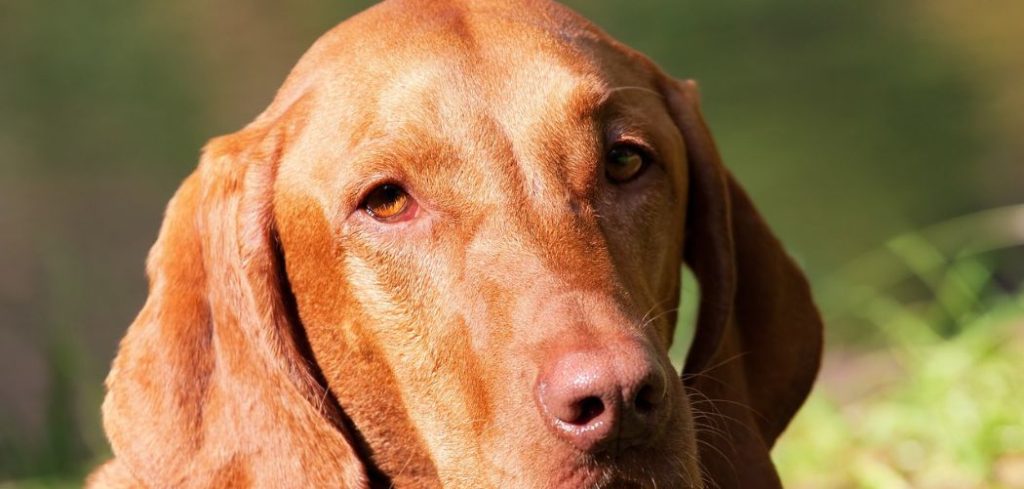
Is a Pink Spot on a Dog’s Nose Normal?
A small pink spot can sometimes be harmless, especially if the area is smooth, non-painful, and not changing rapidly.
Certain dogs naturally experience pigment fading with age, seasonal changes, or genetics.
However, a new pink area should still be monitored carefully. Crusting, swelling, bleeding, sores, or rapid spreading are not considered normal and may indicate an underlying medical issue requiring veterinary attention.
Dog Suddenly Has Pink Spot on Nose: Symptoms
Dogs with a pink spot on the nose may show additional skin-related symptoms.
Common symptoms include:
Pink or pale area on the nose
Dry or flaky nose skin
Crusting or scabbing
Licking or rubbing the nose
Redness or irritation
Small sores or cracks
Sensitivity when touched
Dog Suddenly Has Pink Spot on Nose: Common Causes
Loss of Pigment (Snow Nose)
Some dogs naturally lose pigment on the nose over time, a condition commonly called “snow nose” or seasonal nose fading.
The black nose gradually develops pink or lighter patches, especially during colder months.
This condition is generally harmless and more common in breeds such as Labrador Retrievers, Golden Retrievers, and Huskies. The nose texture usually remains smooth and healthy despite the color change.
Minor Injury or Scraping
Dogs can scrape or injure their nose while digging, sniffing rough surfaces, playing outdoors, or rubbing against crates and furniture.
A healing scrape may leave behind a pink patch where the outer skin layer was irritated or removed. Mild injuries often improve on their own if the dog stops rubbing the area.
Allergies
Plastic food bowls, cleaning products, grass, pollen, or environmental irritants can cause irritation around the nose. Allergic reactions may inflame the skin and lead to pink discoloration.
Dogs with allergies often lick or rub their nose frequently, worsening the irritation over time.
Read more: Dog Mucus Nose (Why it happens)
Dryness and Cracked Skin
Dry nose tissue can become irritated, cracked, and lighter in color. Dryness is more common during cold weather, dry climates, or dehydration.
Some dogs also develop thickened or flaky nose skin that peels and exposes pink sensitive tissue underneath.
Read more: Old Dog Dry Nose (Common causes)
Bacterial or Fungal Infection
Infections affecting the skin of the nose may create pink patches, sores, crusting, or swelling. Bacteria and fungi can invade damaged or irritated skin more easily.
Dogs with infections may also paw at the nose or develop discharge and discomfort.
Autoimmune Skin Disease
Certain autoimmune diseases can attack the pigment and skin cells around the nose. Conditions such as discoid lupus erythematosus may cause depigmentation, sores, crusting, and sensitivity to sunlight.
Autoimmune conditions often worsen gradually and may spread beyond a single small pink spot over time.
Excessive Licking or Rubbing
Dogs that repeatedly lick or rub their nose against surfaces may wear away the outer pigmented layer of skin.
This repeated friction can leave the nose looking pink, irritated, or slightly raw, especially if anxiety or allergies are involved.
Dog Suddenly Has Pink Spot on Nose: What to Do
If your dog suddenly develops a pink spot on the nose, monitor the area closely for changes in size, texture, or irritation.
Try to prevent excessive rubbing or licking because repeated irritation can delay healing and worsen inflammation. Switching from plastic bowls to stainless steel or ceramic may also help if contact irritation is suspected.
Keep the nose moisturized with veterinarian-approved nose balms if the skin appears dry or cracked. Avoid using human lotions or creams unless specifically recommended by your veterinarian.
Limit sun exposure if the pink area appears sensitive or irritated. Depigmented skin can become more vulnerable to sun damage.
Take note of additional symptoms such as crusting, bleeding, swelling, or appetite changes, as these may help identify whether the condition is becoming more serious.
When to Call or Visit Your Vet
You should contact your veterinarian if the pink spot grows larger, becomes crusty, bleeds, or does not improve within a short period.
Seek veterinary attention promptly if your dog develops sores, swelling, discharge, pain, or multiple areas of pigment loss. These symptoms may indicate infection or autoimmune disease.
Dogs that constantly rub or paw at the nose should also be evaluated because persistent irritation often signals discomfort or allergy problems.
Senior dogs or dogs with recurring skin issues may require earlier evaluation to rule out chronic skin disease or tumors.
Dog Suddenly Has Pink Spot on Nose: Treatment
Veterinary treatment depends on the underlying cause of the pink spot. Your veterinarian may perform a skin examination, fungal testing, allergy assessment, or biopsy if necessary.
Minor irritation or dryness may improve with topical treatments and environmental changes.
Infections may require antibiotics or antifungal medication, while allergy-related irritation often improves with allergy management and anti-inflammatory treatment.
Dogs with autoimmune disease may need long-term medications to control inflammation and protect the skin from further damage.
Recovery and Monitoring
Many mild nose irritations improve within days to weeks once the underlying trigger is removed and the skin heals.
Monitor the area closely for spreading discoloration, crusting, or recurring irritation. Some conditions involving pigment loss may remain stable, while others gradually progress over time.
Follow all treatment instructions carefully and avoid allowing your dog to repeatedly rub or scratch the nose during healing.
Regular skin checks can help detect future changes early, before the irritation becomes more severe.
Key Takeaway
A dog suddenly developing a pink spot on the nose may have anything from harmless pigment changes to irritation, infection, or autoimmune skin disease. While some pink spots are temporary and mild, others require veterinary attention if they worsen or become inflamed.
Careful monitoring and early treatment help protect the sensitive skin on the nose and improve healing.
When in doubt, especially if the area changes quickly or becomes sore, it is safest to consult your veterinarian.


