
A normally friendly dog suddenly acting mean can be shocking and upsetting for owners.
Dogs rarely become aggressive “for no reason,” and sudden behavior changes are often linked to pain, fear, stress, illness, or emotional triggers that are making the dog feel uncomfortable or threatened.
Table of Contents
My Nice Dog Suddenly Turned Mean: Why It Happens
A dog that suddenly turns mean is often reacting to pain, fear, anxiety, stress, hormonal changes, or an underlying medical condition.
Dogs may growl, snap, avoid handling, or become irritable because they are uncomfortable or overwhelmed.
Some dogs also develop aggression due to territorial behavior, aging-related confusion, or frightening experiences.
Even very gentle dogs can react defensively if they feel threatened, sick, or unable to escape a stressful situation.
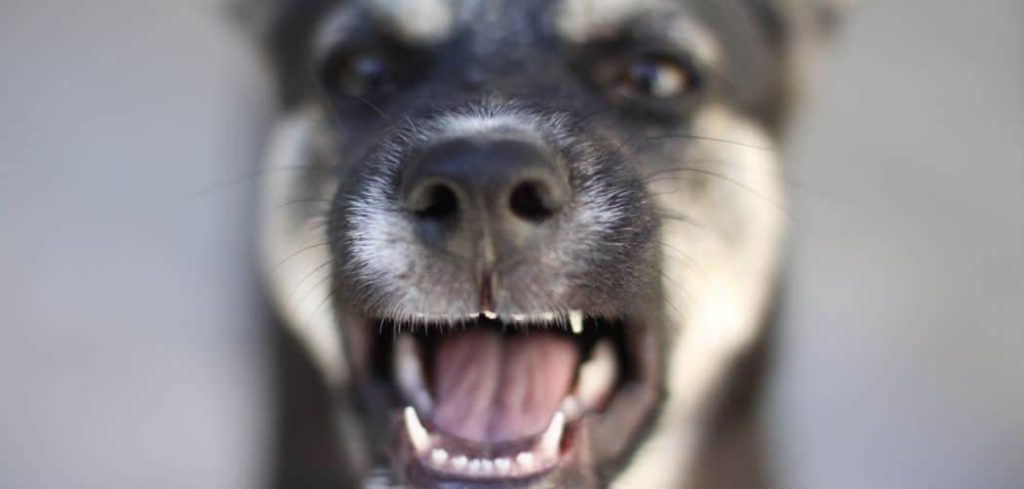
Is Sudden Aggression in Dogs Normal?
Sudden aggression is not considered normal and should always be taken seriously. Dogs usually give behavioral warning signs before escalating to snapping or biting, even if those signs are subtle.
A sudden personality change often means something is affecting the dog physically or emotionally.
Because medical issues commonly contribute to aggression, dogs that suddenly become mean should be evaluated carefully rather than punished.
Nice Dog Suddenly Turned Mean: Signs
Dogs showing sudden aggressive or mean behavior may display several warning signs.
Common symptoms include:
Growling or snapping
Avoiding touch or handling
Sudden irritability
Stiff body posture
Showing teeth
Guarding food, toys, or space
Unusual anxiety or restlessness
Nice Dog Suddenly Turned Mean: Common Causes
Pain or Injury
Pain is one of the most common causes of sudden aggression in dogs. Dogs experiencing arthritis, dental pain, injuries, ear infections, or internal discomfort may react defensively when touched or approached.
Even calm dogs may snap if movement or handling hurts. Some painful conditions are not obvious initially, so aggression may appear before owners notice physical symptoms.
Read more: My Dog is Suddenly Scared of Me (Here’s why)
Fear or Anxiety
Fearful dogs sometimes become aggressive because they feel cornered or unsafe. Loud noises, unfamiliar people, stressful environments, or traumatic experiences can trigger defensive behavior.
Dogs with anxiety may also become more reactive if they cannot predict what will happen around them.
Fear-based aggression is often accompanied by trembling, avoidance, or tense body language.
Resource Guarding
Some dogs suddenly become possessive over food, toys, sleeping areas, or even people. Resource guarding occurs when a dog fears losing access to something valuable.
This behavior may intensify during stress or competition with other pets. Dogs often stiffen, growl, or snap when someone approaches the guarded item.
Hormonal Changes
Hormonal shifts can affect mood and behavior in some dogs. Intact dogs may become more territorial or reactive, especially around other animals.
Female dogs experiencing hormonal fluctuations or false pregnancy may also become unusually irritable or protective temporarily.
Aging and Cognitive Decline
Older dogs sometimes develop aggression because of confusion, pain, hearing loss, or canine cognitive dysfunction.
Senior dogs may startle more easily and react negatively when touched unexpectedly.
Dogs with cognitive decline may appear disoriented, anxious, or less tolerant than they were earlier in life.
Related: Old Dog Syndrome (Signs, causes and treatment)
Stress
Changes in routine, moving homes, new pets, visitors, or chaotic environments can increase stress levels and trigger behavioral changes.
Dogs under chronic stress may become more reactive, impatient, or defensive over time if they do not feel secure.
Neurological Conditions
Certain neurological disorders, seizures, brain tumors, thyroid disease, and other medical problems can alter behavior and increase aggression.
Dogs with medical-related aggression may also show confusion, pacing, staring episodes, or sudden personality shifts unrelated to specific triggers.
Read more: Why does my dog stare at me constantly? (Here’s why
Nice Dog Suddenly Turned Mean: What to Do
If your dog suddenly becomes mean or aggressive, avoid punishment or physical confrontation. Harsh reactions can increase fear and make aggression worse.
Give your dog space and avoid forcing physical interaction when they appear tense or uncomfortable. Watch carefully for triggers such as touching certain body areas, approaching food, or stressful situations.
Keep interactions calm and predictable. Dogs experiencing stress or pain often respond better in quiet environments with stable routines.
If you suspect pain, limit rough play and avoid handling sensitive areas unnecessarily until your dog can be evaluated.
For safety, supervise interactions with children, strangers, and other animals carefully while the cause of the behavior is being investigated.
When to Call or Visit Your Vet
You should contact your veterinarian if your dog suddenly develops aggressive or unusually mean behavior, especially if the change is abrupt.
Seek prompt evaluation if aggression occurs alongside limping, appetite loss, confusion, seizures, weakness, or other physical symptoms. Medical problems are a common cause of sudden behavioral changes.
Immediate professional help is important if your dog bites, repeatedly attempts to attack, or becomes unpredictable around family members.
Senior dogs with new aggression should also be evaluated for pain, sensory decline, or cognitive dysfunction.
Nice Dog Suddenly Turned Mean: Treatment
Veterinary treatment depends on the underlying reason for the aggression. Your veterinarian may perform a physical examination, neurological assessment, bloodwork, or imaging studies to identify pain or illness.
Dogs with painful conditions often improve behaviorally once discomfort is treated. Arthritis management, dental care, infection treatment, or medication for the underlying disease may significantly reduce irritability.
Behavioral anxiety may require training support, environmental management, calming therapies, or anti-anxiety medication.
Dogs with neurological disease or cognitive dysfunction may need long-term management and monitoring depending on the diagnosis.
Recovery and Monitoring
Recovery varies depending on the cause of the aggression. Dogs reacting to temporary pain or stress often improve once the trigger is addressed.
Monitor your dog closely for patterns in the behavior and note situations that trigger aggression. Understanding these triggers can help prevent escalation and improve safety.
Consistency, patience, and calm handling are important during recovery. Sudden punishment or forced interaction may worsen fear and defensive reactions.
Dogs with chronic pain, anxiety, or cognitive decline may need ongoing management and regular veterinary follow-up.
Key Takeaway
A nice dog suddenly turning mean is usually a sign that something is wrong physically, emotionally, or neurologically.
Pain, fear, anxiety, stress, and medical conditions are all common reasons for sudden aggression.
Instead of assuming the dog is simply “bad,” focus on identifying the underlying cause safely and compassionately.
Early veterinary evaluation and supportive management can help many dogs regain comfort and improve their behavior.


