
A dog suddenly not acting normal can be one of the earliest signs that something is wrong physically or emotionally.
Changes in behavior, energy, appetite, or personality often happen when dogs are experiencing illness or discomfort, even before obvious symptoms appear.
Table of Contents
Dog Not Acting Normal: Why It Happens
A dog not acting normal is often affected by illness, pain, stress, anxiety, neurological problems, digestive upset, or environmental changes.
Some dogs become unusually quiet and withdrawn, while others appear restless, clingy, confused, or irritable. Because dogs cannot explain how they feel, behavior changes are often one of the first warning signs owners notice.
Sudden personality or routine changes should always be monitored carefully, especially if additional symptoms develop.
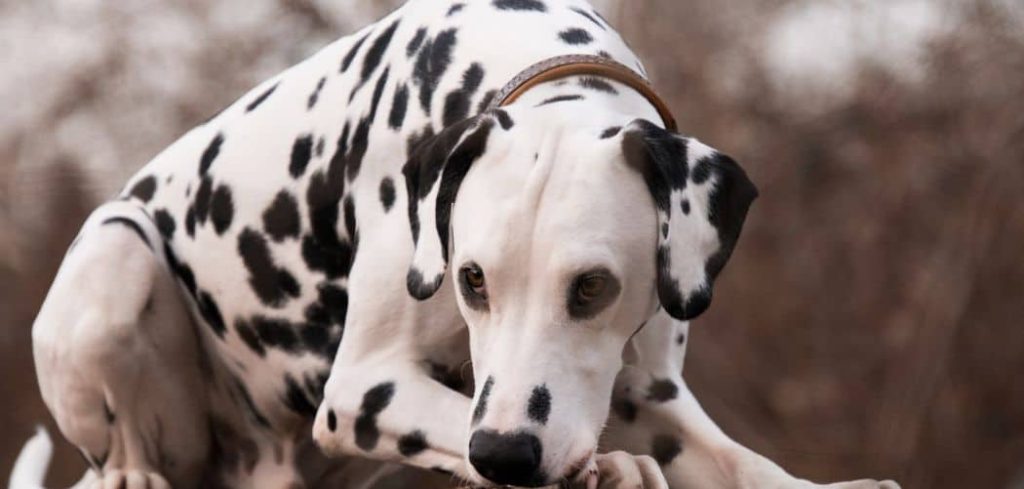
Is It Normal for a Dog to Suddenly Act Different?
Dogs may occasionally behave differently after stressful events, changes in routine, or exciting situations. However, a sudden ongoing change in behavior is not considered normal.
Dogs that stop acting like themselves are often trying to communicate discomfort, illness, fear, or emotional distress.
Even subtle changes can be important, particularly if they persist or worsen over time.
Dog Not Acting Normal: Symptoms
Dogs not acting normal may show a variety of behavioral or physical symptoms.
Common symptoms include:
Low energy or lethargy
Hiding or avoiding interaction
Restlessness or pacing
Appetite changes
Excessive clinginess or anxiety
Unusual aggression or irritability
Confusion or disorientation
Dog Not Acting Normal: Common Causes
Pain or Injury
Pain is one of the most common reasons dogs suddenly act differently. Arthritis, injuries, dental disease, spinal pain, or internal discomfort may cause dogs to become withdrawn, irritable, or unusually quiet.
Some dogs hide or avoid touch, while others become clingy or restless. Dogs often hide pain well, so behavioral changes may appear before physical symptoms become obvious.
Read more: Dog Suddenly Needy (Why behavior changes happen)
Illness
Many illnesses first appear as vague behavioral changes. Digestive upset, infections, fever, organ disease, or hormonal imbalances can all make dogs seem “off” or unlike themselves.
Dogs with illness may sleep more, lose interest in food, avoid activity, or appear mentally dull.
Stress
Stressful situations such as moving homes, visitors, loud noises, schedule changes, or separation anxiety can affect behavior significantly.
Anxious dogs may pace, pant, hide, become needy, or react nervously to normal situations. Emotional stress often causes sudden personality changes.
Read more: Dog Hiding Under Bed Suddenly (When dogs withdraw unexpectedly)
Digestive Problems
Nausea, bloating, constipation, or stomach discomfort can make dogs act unusually quiet or restless.
Dogs with digestive upset may lick their lips, eat grass, refuse food, or isolate themselves while trying to cope with discomfort.
Neurological Problems
Brain and nervous system disorders can alter behavior, awareness, and coordination. Seizures, vestibular disease, cognitive dysfunction, or neurological inflammation may all affect personality and normal responses.
Dogs with neurological conditions may seem confused, stare blankly, lose balance, or act disoriented.
Aging and Cognitive Decline
Senior dogs commonly experience behavioral changes due to aging-related cognitive decline. Older dogs may become confused, anxious, restless at night, or less interactive.
Some senior dogs also forget routines or appear to “zone out” more often as cognitive function declines.
Related: Old Dog Syndrome (Signs, causes and treatment)
Toxin Exposure
Toxins and poisonous substances can rapidly affect the nervous system and behavior. Chocolate, medications, chemicals, toxic plants, and pesticides are common causes.
Dogs exposed to toxins may act restless, weak, disoriented, or unusually fearful.
Dog Not Acting Normal: What to Do
If your dog is not acting normal, begin by observing closely for additional symptoms such as vomiting, limping, coughing, diarrhea, shaking, or appetite changes.
Keep your dog calm and comfortable in a quiet environment while monitoring behavior. Avoid overwhelming situations or intense exercise until you understand what may be wrong.
Check for obvious injuries, swelling, or signs of pain during movement, but avoid excessive handling if your dog seems uncomfortable.
Ensure your dog continues drinking water and monitor bathroom habits carefully. Changes in urination or bowel movements may provide important clues.
If the behavior change follows a stressful event, maintaining a calm routine and reassuring environment may help reduce anxiety.
When to Call or Visit Your Vet
You should contact your veterinarian if your dog continues acting abnormally for more than a short period or if symptoms worsen.
Seek immediate veterinary care if your dog collapses, has seizures, struggles to breathe, becomes unresponsive, or shows signs of severe pain.
Urgent evaluation is also important if abnormal behavior occurs alongside vomiting, diarrhea, weakness, pale gums, loss of balance, or refusal to eat.
Senior dogs with sudden confusion or major personality changes should also be evaluated immediately.
Dog Not Acting Normal: Treatment
Veterinary treatment depends on the underlying cause of the abnormal behavior. Your veterinarian may perform bloodwork, neurological exams, imaging studies, or other diagnostic tests.
Dogs with pain or illness often improve once the medical issue is treated appropriately.
Anxiety-related behavior changes may improve with environmental adjustments, training support, calming therapies, or medication if needed.
Dogs with neurological or cognitive disorders may require long-term management and monitoring depending on the diagnosis.
Recovery and Monitoring
Recovery depends largely on what caused the behavioral change. Mild stress-related issues may improve quickly, while chronic illness or neurological disease may require ongoing care.
Monitor your dog carefully for worsening symptoms, appetite changes, mobility issues, or new behavioral patterns.
Keeping notes about when the abnormal behavior occurs can help identify triggers and help your veterinarian track progression.
Consistent routines, gentle interaction, and supportive care often help dogs feel more secure during recovery.
Key Takeaway
A dog not acting normally is often trying to signal that something is wrong physically or emotionally.
Pain, illness, anxiety, digestive problems, neurological disease, and aging changes are all common causes of sudden behavior changes.
Careful observation and timely veterinary evaluation are important, especially when abnormal behavior persists or worsens.
Early attention often helps identify problems before they become more serious.


