
A dog suddenly smelling bad can be unpleasant and concerning, especially if the odor appears quickly or becomes unusually strong.
While dogs naturally have some body odor, sudden foul smells are often linked to skin infections, ear problems, dental disease, anal gland issues, or underlying medical conditions.
Table of Contents
Dog Suddenly Smells Bad: Why It Happens
A dog suddenly smelling bad is commonly affected by skin infections, ear infections, dental disease, anal gland problems, poor grooming, or underlying illness.
Different odors may come from different parts of the body, including the mouth, ears, skin, or rear end.
Some smells develop because bacteria or yeast overgrow on the skin, while others result from infection, trapped moisture, or digestive problems.
A sudden strong odor often means something is irritating or disrupting the dog’s normal skin and body balance.
Is It Normal for Dogs to Suddenly Smell Bad?
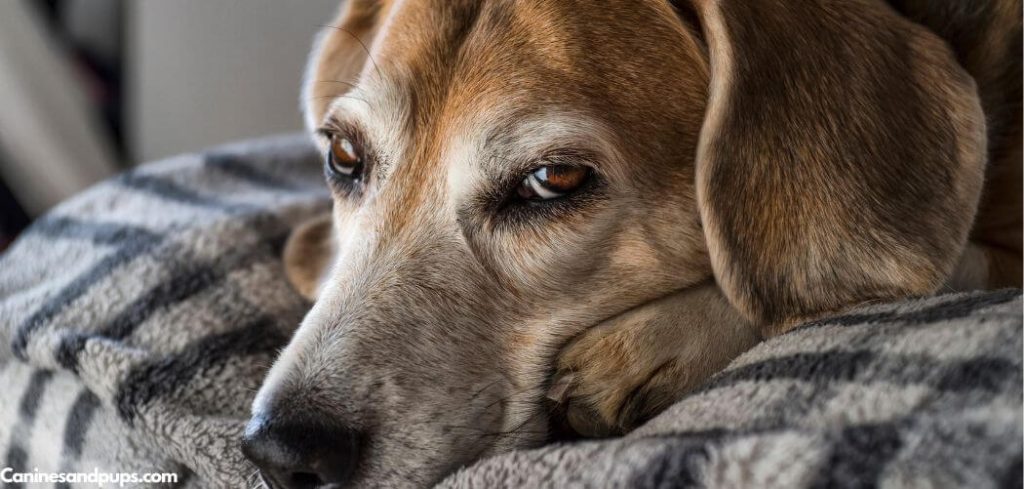
Dogs naturally have mild body odor, especially after playing outside or getting wet. However, a sudden strong or foul smell is not considered normal.
If the odor persists after basic cleaning or is accompanied by itching, discharge, redness, or behavior changes, it usually points to an underlying issue that needs attention. Persistent odor often worsens without treatment.
Read more: My Dog Has Cancer and Smells Bad (Why It Happens)
Dog Suddenly Smells Bad: Symptoms
Dogs with sudden bad odor may show additional symptoms depending on the cause.
Common symptoms include:
Strong foul body odor
Excessive scratching or licking
Red or irritated skin
Bad breath
Ear discharge or head shaking
Scooting or licking the rear end
Greasy or flaky coat
Dog Suddenly Smells Bad: Common Causes
Skin Infections
Skin infections are one of the most common reasons dogs suddenly smell unpleasant. Bacteria and yeast naturally live on the skin, but overgrowth can occur when the skin becomes irritated or moist.
Dogs with skin infections often develop greasy fur, redness, itching, and a strong musty or sour odor. Allergies commonly trigger these infections by damaging the skin barrier.
Read more: Old Dog Smells Bad (Causes explained)
Ear Infections
Ear infections frequently produce a strong foul smell that owners notice suddenly. Yeast and bacterial infections inside the ears can create thick discharge and intense odor.
Dogs with ear infections often shake their head, scratch their ears, or hold their ears differently. Some infections become painful if left untreated.
Dental Disease
Bad breath caused by dental disease can sometimes become overwhelming very quickly.
Plaque buildup, gum infection, or rotting teeth create strong odors from the mouth.
Dogs with dental disease may drool, chew differently, paw at the mouth, or avoid hard food. Older dogs are especially prone to severe dental problems.
Anal Gland Problems
Anal glands produce a strong-smelling fluid near the rectum. If the glands become full, infected, or impacted, dogs may suddenly smell fishy or foul.
Some dogs scoot their rear across the floor or lick excessively around the tail area. Anal gland infections can become painful and may require veterinary treatment.
Wet Fur and Poor Grooming
Dogs that stay damp for long periods may develop a musty smell due to bacteria and yeast growing on the skin and fur.
Thick-coated dogs are particularly prone to odor if moisture becomes trapped close to the skin after bathing, swimming, or humid weather.
Allergies
Allergies can indirectly cause a bad odor because irritated skin becomes inflamed and prone to infection. Dogs with chronic allergies often develop recurring yeast or bacterial overgrowth.
These dogs may also scratch constantly, lick their paws, or develop recurring ear problems.
Underlying Illness
Certain medical conditions, such as kidney disease, diabetes, or digestive disorders, can change how a dog smells overall.
Some illnesses affect breath odor, while others contribute to poor skin condition or infection risk.
Dogs with systemic illness may also show appetite changes, weight loss, vomiting, increased thirst, or low energy.
Dog Suddenly Smells Bad: What to Do
If your dog suddenly smells bad, try to identify where the odor is coming from. Check the ears, mouth, skin, paws, and rear end carefully for redness, discharge, swelling, or irritation.
Keep your dog clean and dry, especially after swimming or bathing. Moisture trapped in the coat can worsen bacterial and yeast growth.
Brush the coat regularly to remove dirt and improve air circulation through the fur. Regular grooming can help prevent odor buildup in thick-coated dogs.
Avoid using strong perfumes or human products to mask the smell because these may further irritate sensitive skin.
Monitor your dog for additional symptoms such as scratching, head shaking, scooting, appetite changes, or discomfort. These clues can help determine the underlying cause.
When to Call or Visit Your Vet
You should contact your veterinarian if the bad smell persists, worsens, or is accompanied by itching, discharge, redness, or pain.
Seek veterinary attention promptly if your dog develops open sores, severe ear discharge, facial swelling, bleeding gums, or obvious discomfort.
Dogs with foul breath combined with vomiting, appetite loss, or increased thirst should also be evaluated because internal disease may contribute to the odor.
Recurring skin odor or chronic infections often require professional treatment and long-term management.
Dog Suddenly Smells Bad: Treatment
Veterinary treatment depends on the source of the odor. Your veterinarian may examine the ears, skin, mouth, or anal glands and may recommend testing for infections or underlying disease.
Skin infections often require medicated shampoos, antibiotics, antifungal medication, or allergy management.
Ear infections typically need prescription ear cleaners and medications designed to treat bacteria or yeast safely.
Dogs with dental disease may require professional cleaning or tooth extractions if severe infection is present.
Anal gland problems may need gland expression, antibiotics, or treatment for inflammation and infection.
Recovery and Monitoring
Many dogs improve quickly once the underlying source of the odor is treated. Skin and ear infections may take several weeks to fully resolve depending on severity.
Monitor your dog for recurring itching, odor, redness, or discharge after treatment. Chronic allergies or skin conditions often need ongoing management to prevent repeat infections.
Follow your veterinarian’s instructions carefully and complete all prescribed medications even if the smell improves early.
Regular grooming, dental care, and skin monitoring can help prevent future odor problems.
Key Takeaway
A dog suddenly smelling bad is usually dealing with an underlying issue involving the skin, ears, mouth, or anal glands. While occasional mild odor can be normal, sudden foul smells often signal infection, irritation, or disease that should not be ignored.
Early treatment helps improve comfort, reduce infection risk, and restore healthy skin and coat condition.
With proper care, most dogs recover well and smell normal again once the underlying problem is addressed.


