
If your dog stares at you constantly, it can feel confusing, funny, or even a little strange — especially when the staring happens throughout the day.
While dogs use eye contact differently than humans, frequent staring is usually your dog’s way of communicating something important to you.
We outline the common reasons why your dog may stare at you constantly, what you can do, and when to seek veterinary care.
Table of Contents
Why Does My Dog Stare at Me Constantly?: Why It Happens
A dog staring at you constantly is usually expressing affection, seeking attention, trying to communicate a need, feeling anxious, waiting for cues, or responding to your behavior or energy.
Dogs rely heavily on body language, and staring is one of their clearest ways of sending a message.
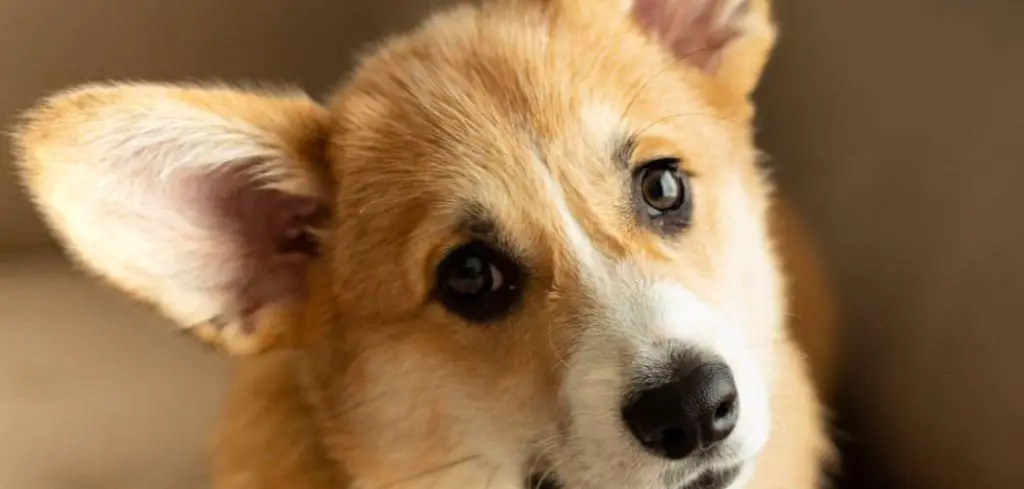
Why Your Dog Stares at You Constantly
Your Dog Is Showing Love and Bonding With You
One of the most common reasons dogs stare at their owners is affection. Dogs form strong emotional bonds, and eye contact triggers the release of oxytocin — the same bonding hormone that strengthens relationships between mothers and infants.
When your dog looks at you lovingly, their brain releases this feel-good chemical, making the moment calming and rewarding.
Dogs may stare softly when resting, lying near you, or sitting quietly. Their eyes appear relaxed, their ears neutral, and their body language comfortable.
This type of staring is your dog’s way of saying they trust you, feel connected to you, and want to be near you. It’s not a demand — it’s a gentle form of communication rooted in attachment.
Read more: Why does my dog stare at me without blinking (Here’s Why)
Your Dog Wants Something From You
Staring is one of the clearest ways a dog communicates a need. Your dog may stare at you when they want food, a treat, a walk, attention, outdoor time, or a favorite toy.
Because staring is a behavior that usually gets a response from humans, dogs quickly learn that making eye contact is an effective way to express what they want.
This type of staring often comes with additional clues: sitting by the door, looking toward the treat cabinet, nudging you, or moving into your space.
Dogs use consistent behaviors to “ask” for something, and staring becomes part of their communication pattern. As long as these needs are reasonable, responding to them reinforces healthy communication.
Your Dog Is Reading Your Body Language
Dogs stare at their owners to understand what’s happening next. Because humans use subtle cues — movements, gestures, facial expressions — dogs study these patterns closely.
They rely on staring to anticipate routines, predict actions, and interpret emotional shifts.
Dogs may stare when you stand up, walk to a certain room, put on shoes, or grab your keys. They watch your face to interpret your tone or mood. The more tightly bonded your dog is with you, the more attention they give your behavior. This type of staring helps them feel secure and prepared.
Your Dog Is Feeling Anxious or Unsure
Some dogs stare constantly because they feel uncertain or anxious. Staring helps them gather information from you and check whether everything is safe. When confused or worried, dogs look to their owner for direction, reassurance, or emotional cues.
Dogs may stare before a storm, when hearing unfamiliar noises, or in situations that make them uneasy. Their eyes may appear wider, their posture more rigid, and their movements slower.
While the dog appears calm, the staring signals internal stress. Understanding this type of staring helps you comfort your dog and reduce triggering situations.
Your Dog Is Trying to Understand Your Commands
Dogs often stare while waiting for instructions. Breeds that are highly trainable or working-oriented — like Border Collies, German Shepherds, or Poodles — are especially prone to this behavior. They stare because they expect guidance and want to act correctly.
If your dog stares at you during training, playtime, or even household routines, it means they are focused and waiting for direction.
This type of staring is common in dogs that enjoy tasks, puzzles, or learning new cues. The dog’s expression becomes inquisitive, alert, and ready to move.
Your Dog Is Bored and Seeking Engagement
Constant staring sometimes indicates boredom. Dogs may use staring as a way to request mental stimulation, playtime, or interaction.
When their daily needs for exercise or enrichment are not met, they may stare in hopes that you will initiate activity.
Boredom-related staring often comes with pacing, nudging, or vocalization. Dogs that crave stimulation may seem restless even when they have been fed and walked.
This type of staring is a subtle clue that your dog needs more physical or mental engagement throughout the day.
Your Dog Has Learned That Staring Gets Results
Dogs are excellent at learning patterns. If staring at you leads to treats, attention, cuddles, or playtime, your dog will repeat the behavior. Over time, staring becomes a default form of communication because it consistently works.
This learned behavior often becomes habitual. Even when your dog doesn’t need anything urgently, they may stare because the action has been positively reinforced.
Many owners unintentionally reward staring with interaction, which makes it an ingrained habit over time.
Your Dog Is Experiencing Vision or Cognitive Changes
In older dogs, constant staring can sometimes reflect cognitive decline or changes in vision.
Dogs with early cognitive dysfunction may stare because they feel confused or disoriented. They may pause mid-activity and look at you as if unsure what to do next.
Dogs with declining eyesight may also stare to focus more intently on your shape, movement, or location.
The effort to understand their surroundings leads to longer, more intense periods of staring.
These dogs may also bump into objects, hesitate in certain rooms, or seem less confident at night.
Why Does My Dog Stare at Me Continuously?
A dog that stares at you continuously is often trying to communicate something or understand what you are doing.
Dogs use eye contact to read human emotions, request attention, ask for food, seek interaction, or anticipate what will happen next, such as a walk or meal time.
Continuous staring can also be a sign of a strong bond, as dogs naturally look to their owners for guidance and reassurance.
However, if the staring is sudden, intense, or accompanied by unusual behaviors such as confusion, pacing, whining, or aggression, it may indicate anxiety, discomfort, or a health-related change.
Why Does My Dog Stare at Me Without Blinking?
A dog staring at you without blinking may be focusing closely on you because they are trying to interpret your actions or communicate a need.
Dogs often use a steady gaze when waiting for a command, expecting a reward, or seeking attention.
However, a hard, unblinking stare can have different meanings depending on the dog’s body language.
Relaxed posture, soft eyes, and a loose tail usually indicate curiosity or affection, while a stiff body, tense face, growling, or raised hackles may indicate fear, stress, or a warning signal.
Why Does My Dog Stare at Me and Look Sad?
If your dog stares at you and looks sad, they may be seeking comfort, attention, or reassurance.
Dogs are highly sensitive to human emotions and may look at their owners when they want affection or feel uncertain.
A sad-looking stare can also occur when a dog is in pain, feeling unwell, anxious, or experiencing changes in their environment.
Pay attention to other signs such as reduced appetite, low energy, hiding, changes in sleep, or reluctance to play. If the change in expression is sudden or persistent, a veterinary checkup may be helpful.
Why Does My Dog Stare at Me While Lying Down?
A dog staring at you while lying down is often a sign that they feel comfortable and connected to you.
They may be relaxing while keeping an eye on you, waiting for attention, or monitoring your movements because you are important to them.
Many dogs naturally watch their owners as part of their social behavior. If your dog appears relaxed with a loose body, calm eyes, and normal breathing, the behavior is usually harmless.
If the staring is paired with restlessness, discomfort, or unusual behavior, it may be worth investigating further.
Why Does My Dog Stare at Me When I Pet Her?
A dog staring at you while you pet her is often a sign of trust, affection, and engagement.
Many dogs make eye contact during physical affection because they enjoy the interaction and are responding to the bond they share with their owner.
Dogs may also stare because they are reading your facial expressions and body language or encouraging you to continue petting them.
Relaxed eyes, a soft expression, leaning into your touch, and a calm posture usually indicate that your dog is enjoying the attention.
Why Does My Dog Stare at Me Constantly at Night?
A dog that stares at you constantly at night may be seeking reassurance, attention, or responding to changes in their nighttime routine.
Some dogs become more alert at night because the environment is quieter and they are more focused on their surroundings.
In senior dogs, nighttime staring can sometimes be linked to cognitive dysfunction (dog dementia), anxiety, confusion, vision problems, or discomfort.
If your dog suddenly starts staring at night, seems restless, gets lost in familiar places, paces, vocalizes, or has changes in sleep patterns, a veterinarian can help determine whether there is an underlying issue.
What to Do If Your Dog Is Staring at You Constantly
Begin by observing your dog’s body language and the context in which the staring occurs. Soft eyes, relaxed posture, and slow blinking usually indicate affection or bonding. Tense posture, wide eyes, or repeated glances toward a door or object may signal need, discomfort, or uncertainty.
Respond to your dog’s needs by providing structured routines, adequate exercise, and consistent opportunities for mental stimulation. If your dog seems bored, introduce puzzle toys, longer walks, new training cues, or interactive play to help redirect their energy.
If your dog stares while waiting for cues, incorporate regular training sessions to give them clear guidance. This strengthens communication and helps reduce uncertainty-driven staring.
Monitor for signs of anxiety, stress, or cognitive changes, especially in senior dogs. Calm reassurance, predictable routines, and environmental adjustments can help reduce anxious staring. If your dog appears confused or unusually fixated, consider scheduling a veterinary exam.
When to Call or Visit Your Vet
Seek veterinary guidance if your dog’s constant staring is accompanied by:
• Confusion, disorientation, or staring at walls.
• Sudden changes in sleep habits or nighttime restlessness.
• Difficulty seeing in low light or bumping into objects.
• Loss of appetite, lethargy, or sudden behavioral changes.
• Anxiety, pacing, or signs of stress.
• Staring paired with head tilting or odd posture.
• Age-related decline or cognitive concerns.
A veterinarian can help rule out neurological issues, vision loss, cognitive dysfunction, or underlying illness.
Read more: Why does my dog stare at me and bark (Here’s Why)
Key Takeaway
When a dog stares at you constantly, the reason is often emotional connection, communication, curiosity, or a learned behavior — not necessarily illness. Dogs use their eyes to understand us, seek reassurance, request help, or express affection.
By paying attention to context and body language, you can better understand what your dog is trying to say.
If the staring comes with confusion or other concerning changes, a veterinary check can help ensure your dog stays healthy and comfortable.


