
Seeing your old dog vomit food that still looks whole or only partially digested can be concerning, especially when it keeps happening or seems to appear suddenly.
Some dogs occasionally bring up food after eating too quickly, but repeated episodes in a senior dog can sometimes indicate digestive problems, swallowing issues, or underlying medical conditions.
Table of Contents
Old Dog Throwing Up Undigested Food: Why It Happens
An old dog throwing up undigested food may happen because of eating too quickly, regurgitation, swallowing problems, digestive disease, or underlying medical conditions affecting how food moves through the body.
In older dogs, age-related changes and chronic illnesses can sometimes interfere with normal digestion.
Looking at the timing of the episode and any additional symptoms can provide helpful clues.
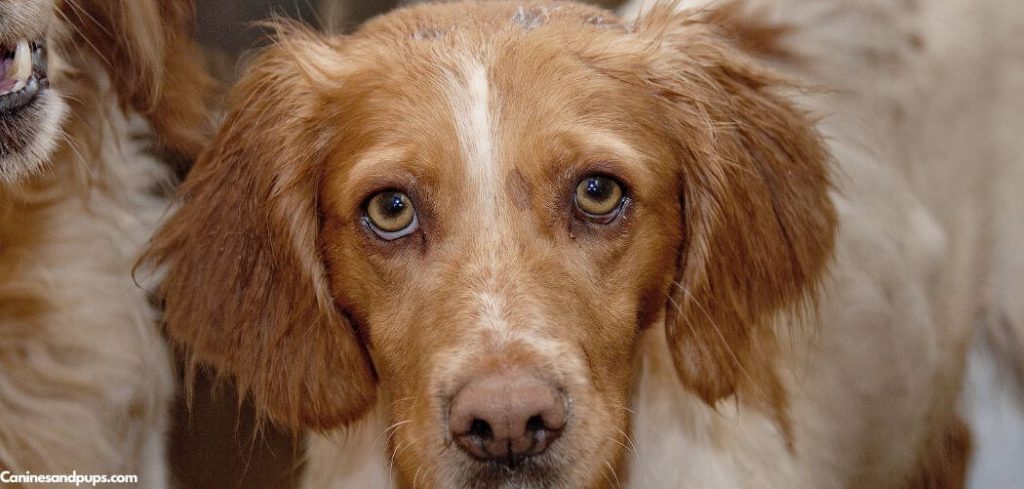
Old Dog Throwing Up Undigested Food: Symptoms
If your old dog is throwing up undigested food, common symptoms may include:
Bringing up whole or partially digested food
Gagging or retching
Lip licking
Reduced appetite
Weight loss
Excess swallowing
Lethargy
Restlessness
Old Dog Throwing Up Undigested Food: Common Causes
Eating Too Fast
One of the simplest and most common explanations is that your dog is eating too quickly.
Dogs that eat rapidly often swallow large pieces of food along with excess air. The stomach sometimes struggles to handle the sudden volume, causing food to come back up shortly after eating.
Food brought back up after fast eating often appears very similar to how it looked before being swallowed because digestion had little time to begin.
Some dogs immediately return to normal behavior and may even seem ready to eat again.
If the episodes happen mainly after meals and your dog otherwise acts normally, eating speed may be contributing.
Read more: Old Dog Sickness and Diarrhea (Possible causes)
Regurgitation Rather Than Vomiting
Owners often use the word vomiting for any food coming back up, but regurgitation is different.
Vomiting involves stomach contractions and nausea, while regurgitation occurs when food comes back up from the esophagus before reaching the stomach properly. Regurgitated food usually looks undigested and may come out suddenly with little warning.
Older dogs can sometimes develop conditions affecting swallowing or the movement of food through the esophagus. Owners may notice coughing, gagging, swallowing repeatedly, or food coming back up shortly after eating.
Distinguishing between vomiting and regurgitation can help veterinarians identify possible causes.
Read more: Old Dog Throwing Up Yellow Foam (Why it happens)
Age-Related Digestive Changes
As dogs age, digestion may gradually become less efficient. The movement of food through the digestive system can sometimes slow, and older dogs may become more sensitive to dietary changes or certain foods.
While mild digestive changes may occur with aging, repeated vomiting or regurgitation should not simply be considered normal.
Some senior dogs may also become more vulnerable to digestive irritation or chronic gastrointestinal problems.
Stomach Inflammation
Long-term inflammation of the stomach lining can interfere with normal digestion.
Inflamed stomach tissue becomes more sensitive and may struggle to process food efficiently. Dogs with chronic stomach irritation sometimes vomit partially digested food several hours after eating.
Other symptoms may include nausea, lip licking, eating grass, reduced appetite, or stomach noises. Symptoms often come and go, making the condition difficult to recognize early.
Problems Affecting the Esophagus
Conditions affecting the esophagus can interfere with food movement and allow food to collect before coming back up.
Older dogs occasionally develop weakening or abnormal movement of the esophagus, making it harder for food to travel normally toward the stomach.
You may notice repeated regurgitation, coughing during meals, swallowing difficulties, or gradual weight loss.
Some dogs continue acting normally between episodes, which can make the issue easy to overlook initially.
Other Underlying Medical Conditions
Digestive symptoms do not always start inside the stomach itself. Kidney disease, pancreatitis, hormonal disorders, intestinal disease, and other health problems may affect digestion.
Older dogs are more likely to develop chronic conditions that initially appear as vague digestive symptoms. What looks like simple vomiting may actually be one sign among several developing changes.
You may also notice increased drinking, weight loss, reduced energy, appetite changes, or altered behavior.
Old Dog Throwing Up Undigested Food: What to Do
Pay attention to when the food comes back up. Notice whether it happens immediately after eating, several hours later, or during certain situations.
Watch closely for signs that suggest regurgitation versus true vomiting. Regurgitation often occurs suddenly without obvious nausea.
Monitor appetite, weight, energy levels, and drinking habits because additional symptoms can provide useful clues.
Avoid giving rich foods, table scraps, or sudden dietary changes while monitoring symptoms.
When to Call or Visit Your Vet
Contact your veterinarian if vomiting or regurgitation repeatedly returns or continues over several days.
Schedule an appointment if you notice:
Weight loss
Reduced appetite
Difficulty swallowing
Increased drinking
Chronic coughing
Lower energy levels
Seek immediate veterinary attention if your dog develops:
Difficulty breathing
Repeated vomiting
Severe weakness
Collapse
Severe abdominal pain
Inability to keep food or water down
Read more: Dog Coughing Up White Foamy Mucus (What it means)
Old Dog Throwing Up Undigested Food: Treatment
The veterinarian may perform a physical examination and recommend bloodwork, X-rays, ultrasound imaging, swallowing evaluations, or additional diagnostic tests depending on symptoms.
Treatment depends on the underlying cause and may include dietary adjustments, medications, digestive support, management of swallowing disorders, or treatment for chronic medical conditions.
Key Takeaway
An old dog throwing up undigested food should not automatically be dismissed as eating too fast. While rapid eating can contribute, repeated episodes in senior dogs can also signal digestive disease, swallowing problems, or other medical conditions.
Pay attention to timing, patterns, and accompanying symptoms. Early veterinary evaluation can help identify the cause and improve your dog’s comfort and quality of life.


