
Seeing your old dog throw up yellow foamy liquid can be worrying, especially if the episodes happen repeatedly or seem to occur without warning.
Yellow foam usually contains bile, a digestive fluid produced by the liver and stored in the gallbladder.
Occasional vomiting of bile can happen, but repeated episodes in a senior dog can sometimes point to digestive problems or underlying health conditions.
Table of Contents
Old Dog Throwing Up Yellow Foamy: Why It Happens
An old dog throwing up yellow foam may happen because of an empty stomach, digestive irritation, chronic stomach problems, pancreatitis, or medical conditions affecting the digestive system.
Older dogs are more likely to develop chronic illnesses that can create vomiting as an early sign, so repeated episodes deserve attention.
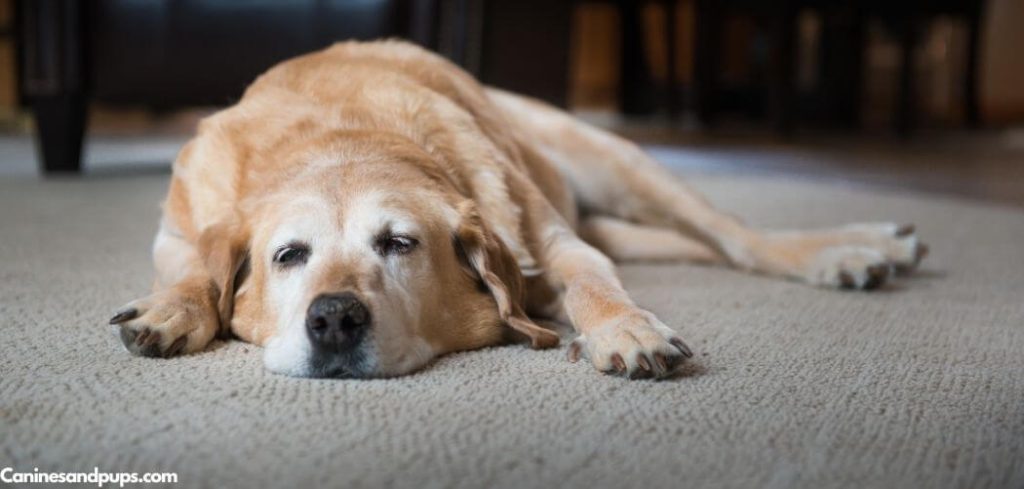
Old Dog Throwing Up Yellow Foamy: Symptoms
If your old dog is throwing up yellow foam, common symptoms may include:
Vomiting yellow foam
Lip licking
Reduced appetite
Eating grass
Nausea signs
Restlessness
Lethargy
Weight loss
Read more: Dog Coughing Up White Foamy Mucus (What it means)
Old Dog Throwing Up Yellow Foamy: Common Causes
Empty Stomach
One of the most common reasons dogs vomit yellow foam is bile irritation from an empty stomach.
Bile normally helps digest food in the intestines, but when the stomach stays empty for long periods, bile can move backward into the stomach and cause irritation.
Older dogs sometimes develop episodes early in the morning or late at night after many hours without food. Because there is little or no food inside the stomach, dogs may vomit yellow foamy liquid instead.
Some dogs act perfectly normal after vomiting and quickly return to eating and drinking. However, if the episodes happen frequently, further investigation may be needed.
Read more: Old Dog Sickness and Diarrhea (Possible causes)
Stomach Inflammation
Long-term inflammation of the stomach lining can create repeated nausea and vomiting.
An irritated stomach becomes more sensitive and may react even when food is not present. Older dogs with chronic gastritis sometimes vomit yellow foam because the stomach remains irritated between meals.
Symptoms often come and go and can be difficult to recognize early. Owners may notice occasional appetite changes, lip licking, stomach noises, eating grass, or nausea-like behaviors.
Because inflammation can gradually worsen, repeated symptoms should not be ignored.
Pancreatitis
The pancreas helps produce digestive enzymes needed for proper digestion. Inflammation of the pancreas can create nausea and vomiting that sometimes includes yellow foamy fluid.
Older dogs may develop pancreatitis after eating rich or fatty foods, although episodes can sometimes happen without a clear trigger.
Dogs with pancreatitis may also appear uncomfortable, refuse food, seem tired, or develop diarrhea. Some cases remain mild while others become more serious.
Food Sensitivities
Senior dogs can become more sensitive to foods they previously tolerated well.
Certain ingredients, rich treats, fatty foods, sudden diet changes, or table scraps may irritate the digestive tract and trigger vomiting. Because older dogs often have more sensitive stomachs, even small dietary changes can sometimes cause problems.
Owners may notice symptoms happening after meals or after certain foods are introduced.
Kidney Disease
Kidney disease becomes more common with age and can create nausea and vomiting. As waste products build up in the body, dogs may begin feeling nauseated and develop digestive symptoms.
Other illnesses, such as liver disease, intestinal disease, hormonal disorders, and chronic health problems, can also contribute.
Owners may notice additional changes including increased thirst, appetite changes, weight loss, weakness, or altered behavior.
Because many conditions develop gradually, vomiting may initially seem like an isolated symptom.
Digestive Disorders
Long-term digestive diseases affecting the stomach or intestines can create repeated nausea and bile vomiting.
Inflammation or irritation within the digestive tract sometimes interferes with normal movement of food and digestive fluids. Dogs may experience cycles of improvement followed by recurring symptoms.
Some dogs gradually lose weight or become less interested in food over time.
Old Dog Throwing Up Yellow Foamy: What to Do
Pay attention to when the vomiting occurs. Notice whether episodes happen early in the morning, late at night, after eating, or after long periods without food.
Monitor your dog’s appetite, water intake, energy levels, and bathroom habits because additional symptoms may provide helpful clues.
Avoid giving rich foods, table scraps, or sudden dietary changes while monitoring symptoms.
Watch carefully for repeated vomiting or signs that your dog seems uncomfortable.
When to Call or Visit Your Vet
Contact your veterinarian if yellow foamy vomiting repeatedly returns or continues beyond a single episode.
Schedule an appointment if you notice:
Reduced appetite
Weight loss
Increased drinking
Diarrhea
Repeated vomiting
Lower energy levels
Seek immediate veterinary attention if your dog develops:
Blood in vomit
Severe abdominal pain
Collapse
Severe weakness
Repeated vomiting
Inability to keep water down
Old Dog Throwing Up Yellow Foamy: Treatment
The veterinarian may perform a physical examination and recommend bloodwork, stool testing, X-rays, ultrasound imaging, or additional diagnostic testing depending on symptoms.
Treatment depends on the underlying cause and may include anti-nausea medications, dietary management, fluid therapy, digestive support, or treatment of chronic medical conditions.
Key Takeaway
An old dog throwing up yellow foam can sometimes happen because of an empty stomach, but repeated episodes in senior dogs may also signal chronic digestive problems or underlying health conditions.
Pay attention to patterns and accompanying symptoms. Early veterinary evaluation can help identify the cause and improve your dog’s comfort and quality of life.


