
It can feel sweet and affectionate when your senior dog presses or rubs their head against you. In many cases, it’s a sign of trust and bonding.
However, if your old dog rubs its head on you more frequently than before, does it do so intensely, or pair it with other unusual behaviors, it may signal more than simple affection.
Head rubbing in older dogs can range from normal social behavior to a response to itching or even neurological problems. The key is understanding the context and any accompanying symptoms.
Table of Contents
Old Dog Rubs Head On Me: Why It Happens
Your old dog rubbing their head on you can be a normal bonding behavior, but it may also be a sign of skin or ear irritation, pain, anxiety, age-related cognitive changes, dental pain, or neurological changes.
Senior dogs often rely more on physical contact as their senses decline, but persistent or unusual head rubbing can indicate something deeper.
Is Head Rubbing Normal Dog Behavior?
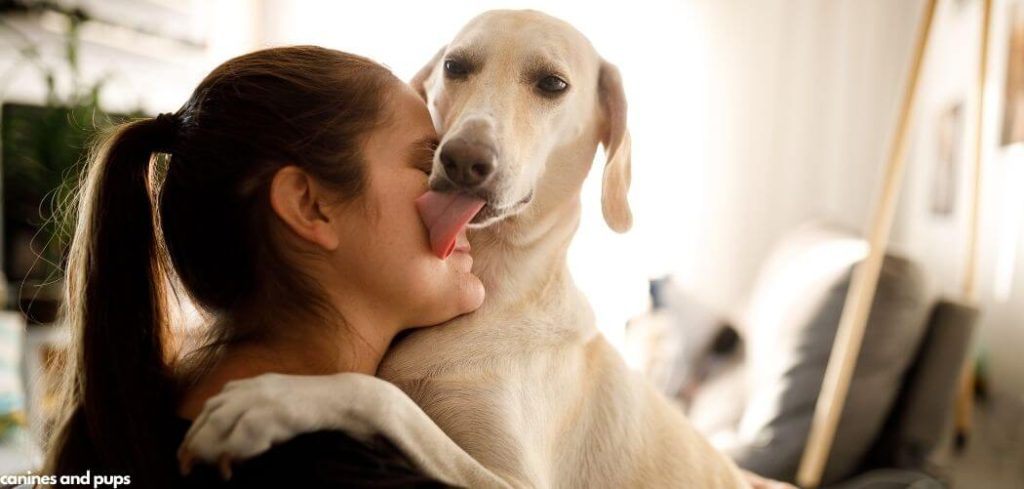
Yes — dogs often use physical contact to communicate. Gently leaning or rubbing their head against you can be a sign of affection, trust, or a request for attention.
Dogs have scent glands around their face, so light rubbing may also be a subtle form of scent marking.
If your senior dog has always nudged you occasionally and appears relaxed and content, the behavior is likely harmless.
However, if the behavior is new, intense, repetitive, or accompanied by signs of discomfort, it may indicate an underlying issue.
Why Behavioral Changes Matter in Senior Dogs
As dogs age, they experience changes in skin sensitivity, immune function, cognition, and neurological health.
Subtle medical issues often appear first as behavioral shifts rather than obvious physical illness.
If your old dog rubs its head on you suddenly and persistently — especially if it’s out of character — it’s worth looking deeper.
Head Rubbing Vs. Head Pressing
It’s important to distinguish between gentle head rubbing and head pressing.
Head rubbing is typically brief and relaxed. Head pressing involves sustained, forceful pressure against surfaces and is often accompanied by disorientation.
Head pressing is always considered a veterinary emergency.
Old Dog Rubs Head On Me: Signs
If your old dog is rubbing their head on you, watch for these accompanying signs:
- Frequent or repetitive head rubbing
- Pressing head firmly into you or objects
- Pawing at the face or ears
- Redness, odor, or discharge from the ears
- Bad breath or drooling
- Restlessness or clinginess
- Changes in behavior or mood
- Sensitivity when touched around the head
- Disorientation or confusion
Old Dog Rubs Head On Me: Common Causes
Affection and Bonding
In many cases, head rubbing is simply a loving gesture. Senior dogs often become more attached as they age.
They may seek reassurance and closeness by gently pressing their head into you. This behavior is usually calm, accompanied by soft eyes, relaxed posture, and tail wagging.
If your dog settles comfortably afterward, affection is likely the cause.
Attention-Seeking Behavior
Older dogs sometimes learn that head nudging results in petting or interaction.
If your dog rubs their head against you during quiet moments and pauses expectantly, they may be requesting attention.
This is typically harmless unless it becomes excessive or obsessive.
Skin Allergies
Allergies are a common cause of facial rubbing in dogs. Environmental allergens such as pollen or dust can irritate the skin around the face.
An old dog rubs its head on me because your clothing provides friction that temporarily relieves itching.
Additional signs may include paw licking, red skin, or ear scratching.
Read more: Old Dog Skin Problems (Causes and treatment)
Ear Infections
Ear infections are particularly common in senior dogs. Inflammation within the ear canal causes discomfort and itching.
Dogs may rub their head against furniture — or you — in an attempt to relieve pressure or itchiness.
Other signs include head shaking, odor from the ears, or sensitivity when the ear is touched.
Dental Pain
Upper tooth infections can radiate pain toward the face and nasal area.
Your old dog rubs its head on you because they are trying to relieve discomfort around the jaw or sinus region.
Bad breath, drooling, difficulty chewing, or facial swelling may accompany dental-related rubbing.
Anxiety Or Insecurity
Senior dogs sometimes develop anxiety due to cognitive decline or sensory loss.
Head rubbing may serve as a self-soothing behavior, particularly during stressful situations or nighttime confusion.
If rubbing is paired with pacing or whining, anxiety may be involved.
Cognitive Dysfunction Syndrome
Cognitive dysfunction, similar to dementia in humans, affects many older dogs.
Disorientation and confusion can lead to unusual repetitive behaviors, including head rubbing.
Dogs may appear lost, stare at walls, or have altered sleep patterns alongside increased physical contact.
Read more: Old Dog Syndrome (Signs, causes and treatment)
Neurological Disease
In rare cases, persistent head pressing or forceful rubbing can indicate serious neurological problems.
Brain tumors, inflammation, or increased intracranial pressure may cause abnormal head behaviors.
If your dog presses their head firmly against walls, furniture, or you in a persistent manner, this is a medical emergency.
Read more: Old Dog Rubbing Nose On Carpet (Hidden causes)
When To Be Concerned
Seek veterinary evaluation if head rubbing is:
Sudden and intense
Accompanied by head shaking
Paired with ear discharge
Associated with bad breath or chewing difficulty
Combined with confusion or seizures
Forceful or prolonged
Any neurological signs alongside head behavior require immediate care.
Old Dog Rubs Head On Me: Diagnosis and Treatment
A thorough physical examination done by the veterinarian includes inspection of the ears, mouth, skin, and neurological reflexes.
If allergies are suspected, dietary or environmental evaluation may be recommended.
Ear swabs help identify infection. Dental X-rays may be necessary to assess tooth root infection.
Neurological imaging is considered if serious brain disease is suspected.
Treatment depends entirely on the underlying cause. Allergies may require medication, dietary adjustment, or environmental management.
Ear infections are treated with targeted ear drops and sometimes oral antibiotics. Dental disease may require cleaning or extraction.
Cognitive dysfunction may be managed with dietary supplements and medications designed to support brain function.
Neurological conditions require specialized treatment plans.
Supporting Your Senior Dog At Home
- Maintain regular grooming and ear cleaning as recommended by your veterinarian.
- Monitor for changes in appetite, behavior, or sleep patterns.
- Provide reassurance without reinforcing obsessive behaviors.
- Keep a consistent routine to reduce anxiety and confusion.
Key Takeaway
When your old dog rubs its head on you, it’s often a sweet sign of affection — but in some cases, it can signal itching, pain, anxiety, or neurological problems.
The key is observing context and accompanying symptoms.
If the behavior is gentle, occasional, and paired with relaxed body language, it’s likely harmless bonding. However, persistent, forceful, or unusual head rubbing warrants veterinary evaluation.
By paying attention to changes and seeking timely care when needed, you can ensure your senior dog remains comfortable, healthy, and connected to you throughout their golden years.


