
Seeing your dog suddenly start shaking can be worrying, especially when the behavior seems to appear without a clear reason.
Dogs sometimes shake because they are cold or excited, but random shaking can also happen because of pain or other underlying conditions.
Table of Contents
Dog Randomly Shaking: Why It Happens
A dog randomly shaking may be experiencing anything from normal emotional responses to physical discomfort or medical issues affecting the body.
Dogs can shake because they feel nervous, excited, cold, nauseous, painful, or unwell.
In some situations, the shaking episodes may seem random because the underlying cause develops gradually or only becomes noticeable at certain times.
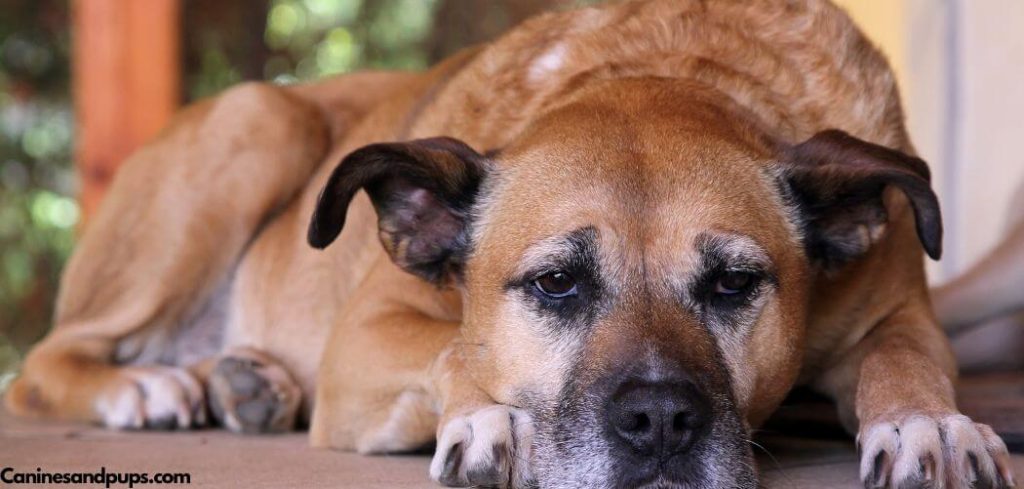
Dog Randomly Shaking: Symptoms
If your dog is randomly shaking, common symptoms may include:
Trembling or shaking
Panting
Restlessness
Hiding behavior
Whining
Appetite changes
Lethargy
Vomiting
Dog Randomly Shaking: Common Causes
Stress, Fear, or Anxiety
One of the most common reasons dogs suddenly begin shaking is emotional stress. Loud noises, thunderstorms, fireworks, visitors, travel, changes in routine, or unfamiliar situations can trigger anxiety.
Some dogs show very obvious signs of fear, while others display more subtle symptoms.
A dog may look normal at first and then suddenly begin trembling after hearing a distant sound or becoming overwhelmed by something in the environment.
Stress-related shaking may occur alongside pacing, clinginess, hiding, lip licking, yawning, or heavy panting. Once the stressful situation passes, many dogs gradually settle down.
Read more: Dog panting excessively and shaking (Causes explained)
Cold Temperatures
Dogs can shake simply because they are trying to warm themselves. Small breeds, short-haired dogs, puppies, and older dogs may be more sensitive to cold temperatures.
Even indoor temperatures that feel comfortable to people may occasionally feel chilly to certain dogs.
If cold exposure is responsible, the shaking usually improves after moving to a warmer environment. Dogs generally return to normal behavior fairly quickly once they warm up.
Related: Dog shaking and vomiting (Causes and treatment)
Pain or Physical Discomfort
Dogs experiencing pain frequently shake or tremble. Pain can come from many sources, including muscle strains, injuries, abdominal discomfort, arthritis, dental problems, or back pain.
Some dogs continue eating and acting fairly normal despite discomfort, making the shaking appear random.
Owners may notice additional signs such as reluctance to move, changes in posture, yelping, limping, or sensitivity when touched.
Nausea
Dogs with nausea often develop shaking along with other subtle symptoms.
Digestive discomfort can create feelings of uneasiness that trigger trembling or body shaking. Some dogs also drool, swallow repeatedly, eat grass, lick their lips, or appear restless.
Mild stomach upset sometimes improves quickly, while persistent digestive problems may become more noticeable over time.
Excitement
Not all shaking is caused by illness. Some dogs shake because they become intensely excited about food, walks, visitors, toys, or other enjoyable events. The body releases energy and adrenaline, creating temporary trembling.
This type of shaking usually disappears quickly once the excitement passes and typically occurs alongside happy body language and normal activity.
Illness
The body may shake when dogs are feeling generally unwell. Infections and illnesses sometimes create weakness, fever, discomfort, or body changes that lead to trembling.
Early symptoms can occasionally be subtle, making the shaking seem isolated at first.
As the illness progresses, owners may notice additional changes such as reduced energy, appetite loss, vomiting, diarrhea, or behavioral differences.
Dog Randomly Shaking: What to Do
Start by observing when the shaking occurs. Notice whether it happens during specific situations such as eating, resting, car rides, excitement, or certain times of day.
Check your dog’s surroundings and look for possible triggers such as cold temperatures, stressful events, or recent changes in routine.
Monitor for additional symptoms including vomiting, diarrhea, limping, appetite changes, coughing, or unusual behavior. Small details often help identify patterns.
Provide a quiet, comfortable place for your dog to rest and avoid excessive activity if your dog appears uncomfortable.
When to Call or Visit Your Vet
Contact your veterinarian if the shaking becomes frequent, keeps returning, or lasts for extended periods.
Schedule an appointment if you notice appetite changes, weakness, limping, vomiting, pain, or behavior changes.
Seek immediate veterinary attention if your dog develops:
Difficulty breathing
Collapse
Severe weakness
Seizure activity
Extreme lethargy
Pale gums
Severe vomiting
Dog Randomly Shaking: Treatment
The veterinarian may perform a physical examination and ask questions about your dog’s behavior and symptoms. Depending on findings, bloodwork, imaging, or additional tests may be recommended.
Treatment depends on the underlying cause and may involve pain management, digestive support, treatment for illness, anxiety management, or addressing other medical problems.
Key Takeaway
Random shaking in dogs can happen for harmless reasons such as excitement or feeling cold, but it can also signal pain, stress, nausea, or illness.
Pay attention to patterns and any additional symptoms. If the shaking becomes frequent or your dog seems unwell, veterinary evaluation can help identify the cause and provide relief.


