
When a senior dog keeps rubbing their nose along the carpet, it might seem like a harmless quirk—but it can actually be a sign that something is bothering them.
Occasional face rubbing can be normal, but frequent or intense nose rubbing in an older dog often points to irritation, discomfort, or an underlying medical issue.
Table of Contents
Old Dog Rubbing Nose On Carpet: Why It Happens
An old dog rubbing its nose on the carpet is usually a response to irritation, itching, pain, or discomfort affecting the nose, face, or sinuses. This can happen due to allergies, nasal irritation, dental disease, infections, or even neurological or behavioral changes.
Aging causes dogs to become more prone to skin sensitivities, dental issues, and other conditions that can trigger this behavior.
While some dogs rub their face after eating or smelling something strong, persistent rubbing is often your dog’s way of trying to relieve discomfort they can’t otherwise reach.
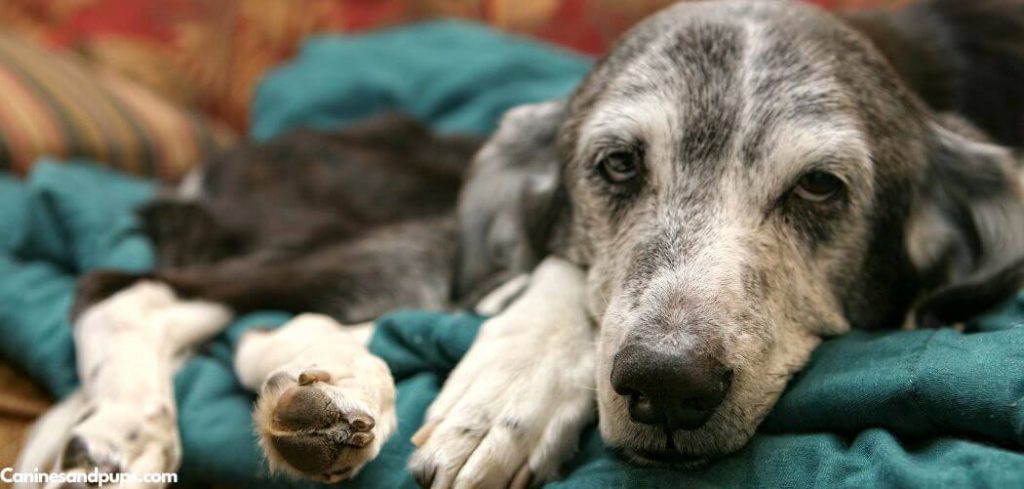
Is Nose Rubbing Normal In Dogs?
Occasional nose rubbing can be normal. Dogs may wipe their noses after eating, especially if food or moisture remains on the muzzle. Some may rub briefly after sniffing outdoors.
However, persistent or forceful rubbing — particularly if it causes redness, hair loss, or sores — is not normal.
When an old dog rubbing nose on carpet becomes a repeated behavior, it typically indicates irritation, itching, or discomfort.
Old Dog Rubbing Nose On Carpet: Signs
If your old dog is rubbing their nose on the carpet, you may notice additional signs:
Frequent face or nose rubbing
Sneezing or nasal discharge
Redness, swelling, or irritation around the nose
Pawing at the face
Watery or irritated eyes
Bad breath or drooling
Decreased appetite
Restlessness or agitation
Skin irritation or hair loss around the muzzle
Old Dog Rubbing Nose On Carpet: Common Causes
Allergies and Skin Irritation
Allergies are one of the most common reasons an old dog rubbing its nose on the carpet behavior develops. As dogs age, their skin can become more sensitive to environmental triggers like dust, pollen, mold, or cleaning chemicals.
These allergens can irritate the nose and surrounding skin, causing itching that your dog tries to relieve by rubbing against surfaces. In some cases, food allergies may also contribute, especially if symptoms are ongoing.
You may notice additional signs like watery eyes, ear irritation, or general itchiness. The discomfort can become persistent if the allergen is not identified and managed.
Read more: Old Dog Skin Problems (Causes and treatment)
Nasal Irritation or Infection
Anything that irritates the nasal passages can lead to rubbing behavior. This includes foreign particles like dust, grass seeds, or strong scents that trigger sensitivity.
Infections—whether bacterial or fungal—can also cause inflammation inside the nose. This creates discomfort that your dog attempts to relieve by rubbing their face.
Nasal infections are often accompanied by discharge, sneezing, or even a foul smell, indicating that the issue may be more than simple irritation.
Oral Pain
Dental problems are a frequently overlooked cause of face rubbing in older dogs. Infections in the upper teeth can affect the sinuses, creating pressure or pain in the nose area.
Dogs may rub their nose or face to try to alleviate this discomfort. You might also notice bad breath, drooling, or reluctance to eat.
Because the roots of upper teeth are close to the sinus cavities, dental issues can easily present as nose-related symptoms.
Read more: Old Dog Rotten Tooth (Hidden dental causes)
Parasites or Skin Conditions
Mites or other skin parasites can cause localized irritation around the face and nose.
Even if parasites are not visible, they can trigger intense itching, leading your dog to rub their nose repeatedly on surfaces like carpets.
Skin infections or dermatitis can also cause similar symptoms, especially if the skin appears red, flaky, or inflamed.
Eye Irritation or Tear Overflow
Problems with the eyes, such as irritation or excessive tearing, can lead to discomfort around the nose and muzzle.
Tears draining down the face can irritate the skin near the nose, prompting your dog to rub the area.
This is especially common in older dogs with eye conditions or blocked tear ducts.
Behavioral or Anxiety-Related Habits
In some cases, an old dog rubbing its nose on the carpet can become a behavioral habit.
Dogs may engage in this behavior as a way to self-soothe, especially if they are anxious, bored, or experiencing cognitive changes.
If the behavior occurs in specific situations—like when left alone or during stress—it may be more behavioral than medical.
Growths or Nasal Tumors
Although less common, growths inside the nasal passages can cause persistent irritation or blockage.
Dogs may rub their nose frequently due to discomfort or pressure caused by these growths.
This is more likely if symptoms are progressive, one-sided, or accompanied by discharge or bleeding.
Read more: Dog excessively licking bed (What it means)
Old Dog Rubbing Nose On Carpet: What to Do
If your old dog is rubbing their nose on the carpet, start by checking for visible signs of irritation or discharge.
Keep your dog’s environment clean and reduce exposure to potential allergens like dust or harsh cleaning products.
Gently clean your dog’s face with a damp cloth if there is discharge or buildup, being careful not to cause further irritation.
Monitor eating habits and oral health, as dental issues can be a hidden cause.
Provide a calm and comfortable environment, especially if anxiety may be contributing to the behavior.
When to Call or Visit Your Vet
If your old dog’s rubbing nose on carpet behavior is frequent, worsening, or persistent, it’s important to consult your veterinarian.
Seek veterinary care if you notice nasal discharge, bleeding, swelling, or signs of infection.
If your dog is also showing signs of dental pain, such as difficulty eating or bad breath, a dental evaluation is needed.
Behavioral changes, lethargy, or loss of appetite alongside nose rubbing are also red flags.
Early diagnosis can help prevent complications and ensure your dog receives appropriate treatment.
Old Dog Rubbing Nose On Carpet: Treatment
Veterinary treatment for an old dog rubbing its nose on the carpet depends on the underlying cause.
Allergies may be managed with medications, dietary changes, or environmental adjustments.
Infections may require antibiotics or antifungal treatments.
Dental disease often requires professional cleaning or tooth extraction.
Skin conditions and parasites are treated with medicated products or targeted therapies.
If growths or tumors are suspected, diagnostic imaging and specialized treatment may be needed.
The goal is to relieve irritation, treat the root cause, and prevent further discomfort.
Key Takeaway
An old dog rubbing its nose on the carpet is often your dog’s way of telling you something is bothering them.
While it can sometimes be harmless, persistent or intense behavior usually points to an underlying issue that needs attention.
By staying observant and addressing symptoms early, you can help keep your dog comfortable and healthy in their senior years.


