
Noticing your dog suddenly panting for no obvious reason can be concerning, especially when they otherwise seem happy, energetic, and completely normal.
Panting is a normal way for dogs to regulate body temperature, but unexpected panting can sometimes happen because of excitement, stress or underlying health issues that are not yet causing obvious symptoms.
Table of Contents
Dog Randomly Panting but Acting Normal: Why It Happens
A dog randomly panting but acting normal can happen because of excitement, temperature changes, mild stress, physical activity, or early health conditions that may not yet show additional symptoms.
Dogs naturally use panting to cool themselves and regulate their bodies, but emotional changes and physical discomfort can also increase breathing effort.
Sometimes the panting stops quickly and never happens again, while repeated episodes may deserve closer attention.
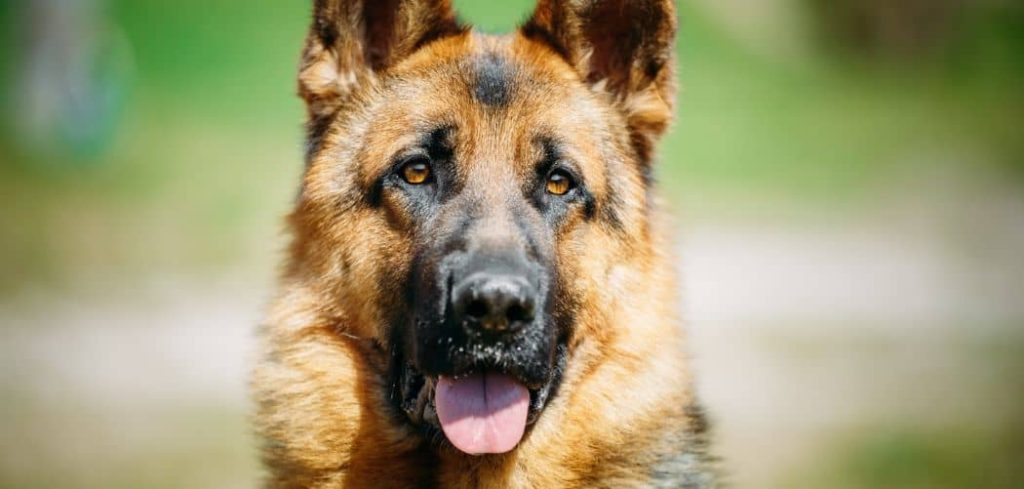
Dog Randomly Panting but Acting Normal: Symptoms
If your dog is randomly panting but acting normal, common symptoms may include:
Open-mouth breathing
Fast breathing
Tongue hanging out
Restlessness
Increased drinking
Lip licking
Mild pacing
Normal appetite and energy
Dog Randomly Panting but Acting Normal: Common Causes
Excitement
Excitement is one of the most common reasons dogs suddenly begin panting. Seeing favorite people, anticipating food, preparing for walks, playing with toys, or greeting visitors can create a rush of excitement that temporarily increases breathing.
When dogs become emotionally stimulated, adrenaline levels rise, and the body responds by increasing breathing rate.
Some dogs calm down within minutes, while others remain excited longer and continue panting after the exciting event has ended.
Dogs that pant from excitement usually continue acting happy and energetic, and often show relaxed body language.
Related: Dog panting excessively and restless (What it means)
Heat or Warm Temperatures
Dogs rely heavily on panting to release body heat because they do not sweat the same way people do. Even temperatures that seem comfortable to humans can occasionally feel warm to some dogs.
Long-haired breeds, short-nosed breeds, puppies, older dogs, and overweight dogs may be more sensitive to temperature changes. Warm indoor rooms, direct sunlight, exercise, or warm bedding can sometimes trigger unexpected panting.
Some dogs stop panting quickly after cooling down, while others may take longer to return to normal.
Read more: Dog panting excessively and shaking (Causes explained)
Recent Physical Activity
Dogs do not always stop panting immediately after activity ends. Running, playing, jumping, or long walks may create increased breathing that continues even after exercise appears finished. Some dogs recover quickly while others take more time.
Owners sometimes think the panting appeared randomly because the activity occurred earlier and the connection is not immediately obvious.
You may notice your dog resting comfortably while still breathing more heavily than usual for a short time afterward.
Mild Stress or Anxiety
Stress is not always obvious in dogs. Some dogs become mildly anxious because of environmental changes or subtle triggers that owners may not notice.
Car rides, unfamiliar sounds, visitors, schedule changes, storms, or changes within the home can trigger physical stress responses. Panting is a common way dogs express emotional discomfort.
Unlike severe fear, mild anxiety may occur while dogs continue eating, playing, and behaving fairly normally.
Mild Pain or Discomfort
Dogs are extremely good at hiding pain. Minor muscle soreness, early arthritis, dental discomfort, stomach upset, or other physical issues can sometimes create panting before more obvious symptoms appear.
Some dogs continue acting normally because the discomfort is still mild.
You may occasionally notice subtle signs such as slower movement, changes in posture, or slight restlessness.
Medication Side Effects
Certain medications can increase panting in dogs. Some drugs affect hormone levels or stimulate changes in metabolism that increase breathing.
You may sometimes notice panting beginning shortly after starting a medication or changing dosage.
If the timing of the panting matches recent medication use, discussing it with your veterinarian can be helpful.
Dog Randomly Panting but Acting Normal: What to Do
Pay attention to when the panting occurs and look for patterns. Notice whether it happens after walks, meals, play sessions, car rides, or certain times of day.
Check the environment around your dog. Warm temperatures, excitement, or stressful events may help explain the behavior.
Monitor your dog’s appetite, energy level, drinking habits, and activity over the next few days. Additional symptoms sometimes develop gradually and provide more clues.
Provide access to fresh water and a cool, comfortable resting area, especially if temperature or activity may be contributing.
When to Call or Visit Your Vet
Contact your veterinarian if the panting becomes frequent, lasts for long periods, or starts happening without an obvious explanation.
Schedule an appointment if you notice changes in appetite, coughing, limping, weakness, pacing, or behavior changes.
Seek immediate veterinary attention if your dog develops:
Difficulty breathing
Blue or pale gums
Collapse
Severe weakness
Extreme lethargy
Distress or panic-like behavior
Dog Randomly Panting but Acting Normal: Treatment
The veterinarian may perform a physical examination and review your dog’s history, activity patterns, medications, and symptoms. Bloodwork, imaging, or additional tests may be recommended if an underlying condition is suspected.
Treatment depends on the cause and may include pain management, treatment of medical conditions, adjusting medications, or managing environmental factors.
Key Takeaway
A dog randomly panting but acting normal can sometimes be explained by excitement, heat, or recent activity, but repeated unexplained episodes should not be ignored.
Pay attention to patterns and any additional symptoms that appear over time. If the panting becomes frequent or changes from your dog’s normal behavior, a veterinary evaluation can help identify the cause and provide peace of mind.


