
Finding urine on your bed when your dog has never done it before can be frustrating and confusing.
While it may seem like your dog suddenly peed on the bed for no reason, dogs usually have an underlying explanation for changes in bathroom behavior, ranging from medical problems and stress to excitement or changes in routine.
Table of Contents
Dog Randomly Peed on Bed: Why It Happens
A dog randomly peeing on a bed can happen because of urinary problems, stress, anxiety, excitement, changes in routine, or medical conditions affecting bladder control.
Soft surfaces like beds can sometimes attract dogs because they hold familiar scents and feel comfortable.
In other cases, the accident may happen because your dog cannot fully control the bladder or is trying to communicate that something feels different.
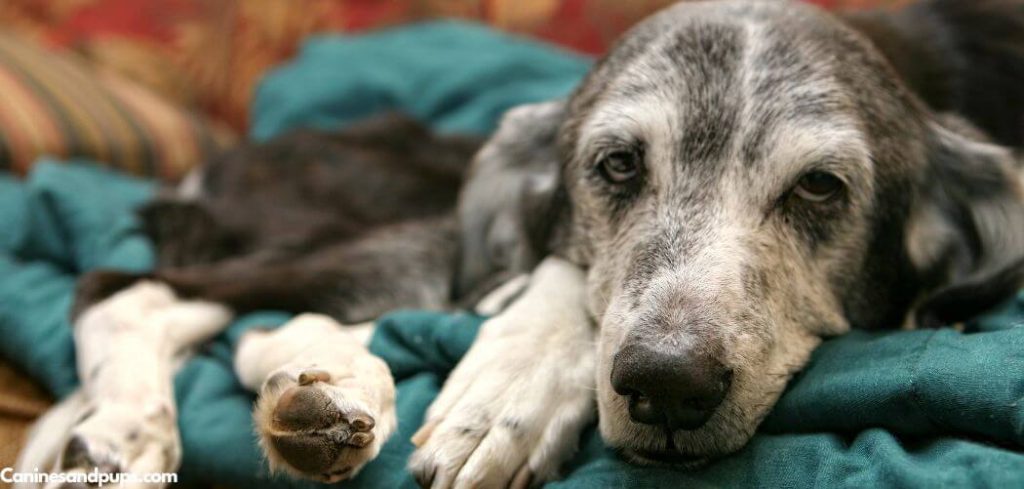
My Dog Peed On My Bed On Purpose
In most cases, dogs do not urinate on beds out of spite or revenge. When a dog pees on a bed, there is usually an underlying reason, such as anxiety, stress, excitement, medical issues, scent-marking behavior, or incomplete house training.
Beds carry strong human scents, which can sometimes attract anxious or insecure dogs.
If this behavior appears suddenly, especially in a previously well-trained dog, it is important to consider medical causes before assuming it is behavioral.
Dog Randomly Peed on Bed: Signs
If your dog randomly pees on the bed, common additional behavior signs may include:
Urinating on soft surfaces
Frequent urination
Accidents indoors
Straining to urinate
Increased drinking
Restlessness
Licking around the genital area
Behavior changes
Dog Randomly Peed on Bed: Common Causes
Urinary Tract Infection
Urinary tract infections are one of the most common medical reasons for sudden accidents inside the house. When bacteria enter the urinary system, inflammation develops and creates irritation inside the bladder.
Dogs with bladder irritation often feel a stronger and more urgent need to urinate. They may suddenly need bathroom breaks much more often than usual, and sometimes cannot hold urine long enough to reach the proper location.
Some dogs begin having accidents on soft surfaces because the urge feels sudden and uncomfortable.
You might also notice frequent squatting, small amounts of urine, licking around the urinary area, or signs of discomfort during urination.
Read more: Dog Suddenly Peeing in the House (Here’s why)
Stress or Anxiety
Emotional stress can sometimes affect bathroom habits more than owners realize. Changes in routine, visitors, moving homes, new pets, schedule changes, travel, or tension in the environment can influence behavior.
Beds carry strong owner scents and often feel like safe, comforting spaces for dogs. A stressed dog may seek out that familiar area during periods of emotional discomfort.
Some dogs also display additional signs of stress, such as pacing, clinginess, hiding, reduced appetite, or changes in sleep patterns.
Read more: Old dog peeing in bed (Signs something else may be going on)
Excitement Urination
Certain dogs urinate when they become emotionally overwhelmed by excitement.
Greeting family members, seeing visitors, play sessions, or highly stimulating situations can trigger involuntary urination in some dogs. Puppies commonly experience this, although adults can also show excitement-related accidents.
You may feel the accident happened randomly when the excitement trigger was subtle or happened quickly.
Changes in Routine or Missed Bathroom Opportunities
Dogs often become comfortable with predictable schedules. If feeding times, walks, work schedules, or bathroom routines suddenly change, accidents may occur.
Sometimes owners become busier than usual or schedules shift unexpectedly. Even a dog that is reliably house-trained may struggle if bathroom opportunities become inconsistent.
The bed may simply have been the closest comfortable location available at the time.
Urinary Incontinence
Urinary incontinence happens when dogs lose some control over bladder function. This is more common in older dogs, but it can affect younger dogs as well.
Dogs with incontinence often do not intentionally urinate. Instead, urine leakage may happen during sleep, while resting, or when relaxing on soft surfaces.
You may notice wet spots on bedding or furniture and may initially think your dog intentionally peed when the leakage was actually involuntary.
Underlying Medical Conditions
Certain medical conditions can increase thirst and urination frequency. Hormonal disorders, kidney problems, bladder issues, and other illnesses sometimes affect normal bathroom habits.
Dogs with these conditions may begin drinking larger amounts of water and needing more frequent bathroom breaks.
You may also notice appetite changes, weight changes, reduced energy, or other behavioral differences depending on the condition involved.
Dog Randomly Peed On Bed While Sleeping
A dog that randomly pees on the bed while sleeping is often experiencing involuntary urine leakage rather than a house-training problem.
Common causes include urinary tract infections, bladder weakness, hormonal incontinence, neurological disorders, or medications that increase urine production. Because the dog is asleep, it may not even realize that urination has occurred.
If this is a new behavior, especially in an adult dog that is normally house-trained, a veterinary examination is needed to identify and treat the underlying cause.
Dog Randomly Peed On Bed At Night
Nighttime bed-wetting can occur when a dog is unable to hold urine throughout the night due to increased urine production, bladder problems, urinary tract infections, or age-related changes.
Some dogs may also drink more water before bedtime, increasing the likelihood of accidents while sleeping.
Occasional accidents may happen, but repeated nighttime urination on the bed should be investigated, particularly if it is accompanied by increased thirst, frequent urination, or other health changes.
Old Dog Randomly Peed On Bed
An older dog that suddenly starts peeing on the bed may be experiencing age-related urinary incontinence, cognitive dysfunction (dog dementia), urinary tract disease, kidney disease, or reduced bladder control.
Senior dogs often have more difficulty recognizing the need to urinate or holding urine for extended periods.
Because many medical conditions can cause bed-wetting in older dogs, veterinary evaluation is important to determine whether treatment or management options are available.
Read more: Old Dog Syndrome (Signs, causes and treatment)
Puppy Randomly Peed On Bed
Puppies commonly have accidents on beds because they have limited bladder control and are still learning house-training rules.
Excitement, deep sleep, distraction, or simply needing to urinate can lead to accidents. Soft bedding may also feel similar to grass or other bathroom surfaces to a young puppy.
Most puppies improve with consistent house training, regular potty breaks, and supervision. However, frequent accidents despite proper training may warrant a veterinary check for urinary issues.
Is My Bed Ruined If My Dog Peed On It?
In most cases, a bed is not ruined if a dog pees on it, provided it is cleaned immediately and thoroughly.
Urine can soak into mattresses and bedding, causing stains and odors if left untreated, but many mattresses and fabrics can be successfully cleaned using enzymatic pet-odor cleaners designed to break down urine compounds.
The key is to remove as much moisture as possible, clean the affected area thoroughly, and allow it to dry completely.
If urine penetrates deeply into a mattress and is not treated quickly, lingering odors may become more difficult to eliminate.
Dog Randomly Peed on Bed: What to Do
Try not to punish your dog for the accident. Punishment can create fear and may increase stress without addressing the underlying cause.
Pay attention to whether this was a one-time event or part of a pattern. Notice whether your dog is drinking more, asking to go outside more frequently, or showing any signs of discomfort.
Wash bedding thoroughly using pet-safe cleaners that remove urine odor. Remaining scents may encourage repeat accidents.
Monitor your dog’s bathroom habits closely over the next few days and note any changes in urination frequency, behavior, or water intake.
When to Call or Visit Your Vet
Contact your veterinarian if accidents continue happening or if the behavior is unusual for your dog.
Schedule an appointment if you notice increased thirst, frequent urination, straining, licking around the urinary area, or changes in appetite.
Seek immediate veterinary attention if your dog develops:
Difficulty urinating
Blood in urine
Severe pain
Vomiting
Extreme lethargy
Complete inability to urinate
Dog Randomly Peed on Bed: Treatment
Your veterinarian may perform a physical examination and evaluate urine samples to identify infections or other urinary problems. Bloodwork or additional tests may also be recommended depending on symptoms.
Treatment varies according to the cause and may include medications for infections, management of medical conditions, bladder support, or behavior-related strategies.
Key Takeaway
A dog randomly peeing on the bed is usually a sign that something has changed physically, emotionally, or environmentally. While stress and routine changes can contribute, urinary problems and medical conditions should also be considered.
Pay attention to patterns and additional symptoms. If accidents continue or your dog seems uncomfortable, a veterinary evaluation can help identify the cause and prevent future issues.


