
Suddenly noticing your dog drooling for no obvious reason can be concerning, especially when they seem perfectly fine otherwise.
When a dog is eating normally, playing, and acting like themselves, the drooling can feel confusing because there are no other obvious clues explaining what is happening.
Table of Contents
Dog Randomly Drooling but Acting Normal: Why It Happens
A dog randomly drooling but acting normal can happen because of harmless triggers such as excitement and food anticipation, but it can also occur with mild mouth irritation, stomach upset, dental issues, or early medical problems.
Dogs naturally produce saliva throughout the day, and certain situations can temporarily increase saliva production.
Sometimes the drooling disappears quickly, while in other cases repeated episodes may signal an issue that is developing beneath the surface.
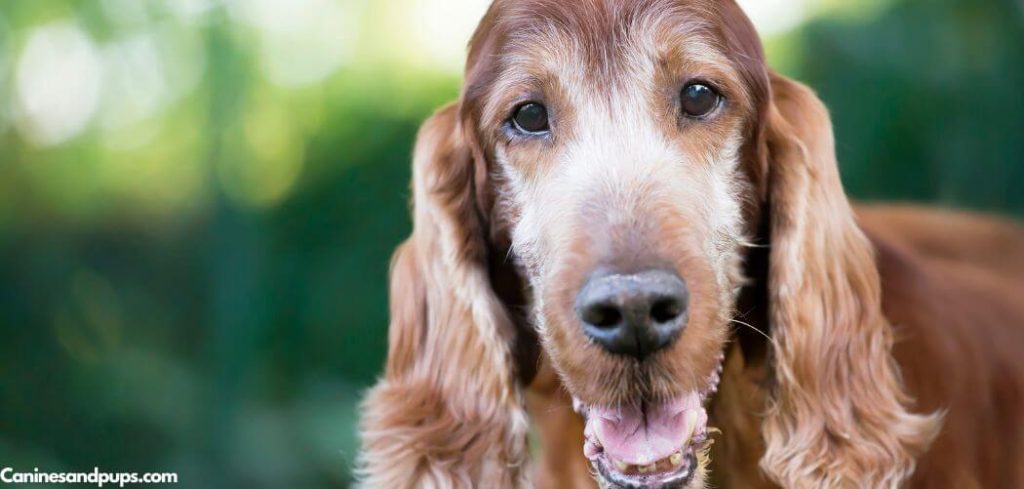
Dog Randomly Drooling but Acting Normal: Symptoms
If your dog is randomly drooling but acting normal, common symptoms may include:
Excess saliva
Wet fur around the mouth
Lip licking
Frequent swallowing
Mild mouth smacking
Occasional pawing at the mouth
Normal appetite
Normal energy levels
Dog Randomly Drooling but Acting Normal: Common Causes
Food Excitement or Anticipation
Many dogs naturally drool when they become excited about food. The smell of cooking meat, opening a treat bag, seeing a food bowl, or anticipating a meal can stimulate saliva production.
Some dogs produce only small amounts of saliva, while others may create noticeable strings of drool.
Certain breeds with loose lips naturally allow saliva to escape more easily, making the drooling appear dramatic even when it is completely normal.
If the drooling happens mainly around mealtimes and quickly stops afterward, food excitement may simply be the explanation.
Read more: Dog Excessively Drooling Suddenly (Causes and what to do)
Something Tasted Bitter or Unusual
Dogs constantly investigate their environment by licking and chewing objects. They may lick grass, furniture, floors, bugs, leaves, or surfaces that owners never notice.
Certain tastes trigger a strong salivary response. Bitter or unpleasant substances can cause the body to rapidly produce saliva as a protective reaction.
Dogs sometimes suddenly drool after licking harmless but unpleasant-tasting materials.
You may notice repeated swallowing, lip licking, or temporary facial expressions suggesting your dog tasted something unexpected. In many cases, the drooling resolves fairly quickly.
Related: Dog Suddenly Drooling From One Side of Mouth (What it means)
Mild Nausea or Stomach Upset
Dogs do not always vomit when they feel nauseous. Mild digestive discomfort can create excess saliva production before any obvious stomach symptoms appear.
Some dogs may develop slight nausea after eating too quickly, consuming rich foods, eating grass, or experiencing a minor digestive upset. Because the discomfort may be mild, the dog can continue acting normal despite feeling slightly unsettled.
You might occasionally notice grass eating, lip licking, swallowing repeatedly, or subtle restlessness alongside the drooling.
Early Dental Problems
Dental disease develops slowly in many dogs and often becomes noticeable later than owners expect. Gum inflammation, tartar buildup, irritated gums, or small dental problems can sometimes trigger increased saliva production.
Dogs are remarkably good at hiding discomfort. Many continue eating and behaving normally despite having significant dental issues developing below the gum line.
Early signs may be very subtle and could include mild bad breath, chewing differently, or occasional mouth sensitivity.
Something Stuck in the Mouth
A small object trapped in the mouth can create surprising amounts of drooling.
Grass blades, food particles, bits of toys, small sticks, or hair can occasionally become trapped between teeth or under the tongue. The irritation stimulates saliva production even if the discomfort is relatively mild.
Some dogs continue acting normal because the object does not create severe pain. However, repeated drooling episodes or mouth pawing may continue until the irritation is removed.
Stress
Stress does not always look obvious in dogs. Some dogs drool in response to emotional triggers even when they do not appear frightened.
Car rides, visitors, loud sounds, changes in routine, or unfamiliar situations can increase saliva production. Dogs may also display subtle signs like yawning, pacing, panting, or increased attention-seeking behaviors.
Because stress responses vary widely between dogs, the drooling may seem random from an owner’s perspective.
Dog Randomly Drooling but Acting Normal: What to Do
Pay attention to when the drooling occurs and look for patterns. Notice whether it happens around mealtimes, after walks, during car rides, or after spending time outdoors.
If your dog allows it, gently examine the mouth for obvious problems such as food stuck between teeth, redness, swelling, or visible objects. Avoid forcing your dog’s mouth open if they appear uncomfortable.
Monitor eating habits, water intake, and behavior over the next several days. Sometimes, additional symptoms gradually appear and help identify the cause.
Keep potentially irritating substances and unsafe objects out of reach so your dog cannot accidentally lick or chew them.
When to Call or Visit Your Vet
Contact your veterinarian if the drooling becomes frequent, heavy, or starts happening regularly.
Schedule an appointment if you notice bad breath, mouth sensitivity, appetite changes, vomiting, facial swelling, or changes in chewing behavior.
Seek immediate veterinary attention if your dog develops:
Difficulty breathing
Trouble swallowing
Severe swelling
Collapse
Extreme lethargy
Suspected toxin exposure
Dog Randomly Drooling but Acting Normal: Treatment
Your veterinarian may perform an oral examination and evaluate your dog’s overall health, depending on symptoms. Additional tests may be recommended if digestive problems, dental issues, or underlying medical conditions are suspected.
Treatment depends on the underlying cause and may include dental care, treatment for stomach issues, removal of foreign material, or management of other medical conditions.
Key Takeaway
A dog randomly drooling but acting normal can sometimes be caused by harmless situations such as food excitement or tasting something unusual. However, repeated drooling can also signal mouth irritation, stomach upset, or early health problems.
Pay attention to patterns and any new symptoms that develop. If the drooling becomes persistent or changes over time, veterinary evaluation can help determine the cause and keep your dog comfortable.


