
It can be alarming to run your hand along your senior dog’s side and feel prominent ribs — or to visibly notice them through the coat. If your old dog’s ribs are showing, it may simply reflect natural aging and muscle loss, but it can also signal underlying illness, malnutrition, or chronic disease.
Weight changes in senior dogs should always be taken seriously. While some breeds are naturally lean, unexplained weight loss in an older dog is rarely “just old age.”
In this comprehensive guide, we explain why ribs become visible in aging dogs, how to distinguish healthy leanness from concerning weight loss, and what steps to take to restore and protect your senior dog’s health.
Table of Contents
Old Dog Ribs Showing: Why It Happens
An old dog’s ribs showing is usually a sign of weight loss caused by reduced food intake, poor nutrient absorption, chronic illness, or age-related muscle loss.
As dogs age, their metabolism, digestion, and muscle mass naturally change, making it easier for them to lose weight even without obvious illness.
While gradual changes can occur with aging, noticeable or rapid rib visibility should always be evaluated.
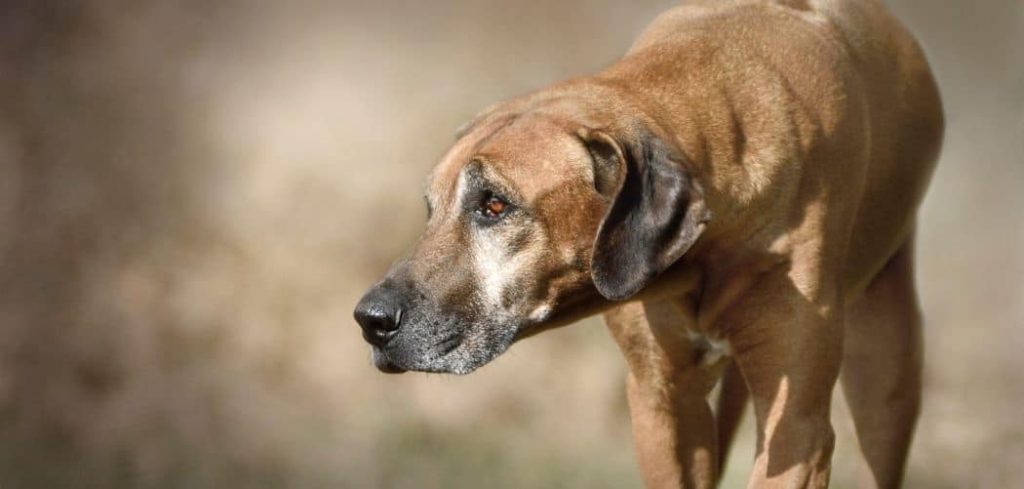
Is It Normal For an Old Dog’s Ribs To Show?
Some dogs — particularly athletic or naturally lean breeds — may always have slightly visible ribs. In a healthy dog, you should be able to feel the ribs easily but not see them prominently.
If your senior dog’s ribs have suddenly become more noticeable, or if the spine and hip bones are also protruding, this suggests weight or muscle loss.
Aging alone can lead to mild muscle thinning, but rapid or significant rib prominence is often a sign that something is wrong.
Old Dog Ribs Showing: Normal vs Concerning
It is not always abnormal for an older dog’s ribs to be slightly visible or easy to feel, especially in naturally lean breeds. However, prominently visible ribs, rapid weight loss, or a noticeable loss of muscle and body condition can be concerning.
As dogs age, they may lose muscle mass and body fat, but significant rib visibility may also be linked to poor nutrition, dental disease, chronic pain, cancer, kidney disease, or other underlying health conditions.
If your senior dog’s ribs have become more noticeable over a short period or are accompanied by reduced appetite, weakness, or weight loss, a veterinary examination is needed to determine the cause.
Why Senior Dogs Lose Weight More Easily
As dogs age, their metabolism changes. Muscle mass naturally decreases, a process called sarcopenia. Appetite may fluctuate. Chronic diseases become more common, affecting nutrient absorption and energy use.
Older dogs may also struggle with dental pain, decreased digestive efficiency, or hormonal changes that impact body condition.
When ribs begin showing in a senior dog, it’s important to determine whether the change is gradual and mild — or sudden and progressive.
Related: Old dog losing weight (Signs, causes and treatment)
Old Dog Ribs Showing: Signs
If your old dog’s ribs are showing, you may notice additional signs that point to the underlying cause:
- Visible rib outline or protrusion
- Noticeable weight loss
- Loss of muscle mass (especially along the back and hips)
- Reduced appetite or picky eating
- Lethargy or decreased activity
- Dull coat or poor skin condition
- Vomiting or diarrhea
- Increased thirst or urination
Old Dog Ribs Showing: Common
Age-Related Muscle Loss
One of the most common reasons an old dog’s ribs become visible is age-related muscle atrophy. As activity levels decrease, muscles in the shoulders, hips, and along the ribcage naturally thin.
Even if body fat remains stable, loss of lean muscle can make ribs more pronounced.
This process typically happens gradually over months or years. Dogs may appear thinner in the hindquarters, and the spine may become more noticeable.
Regular low-impact exercise and high-quality protein intake can help slow muscle loss.
Inadequate Calorie Intake
Senior dogs sometimes eat less due to reduced appetite, dental discomfort, or changes in taste preferences.
If caloric intake falls below daily energy requirements, weight loss occurs.
An old dog’s ribs showing due to inadequate nutrition may also appear lethargic or have a dull coat.
Even subtle reductions in food intake can lead to noticeable weight loss over time.
Read more: Old Dog Not Eating (When to worry)
Dental Disease
Dental problems are extremely common in aging dogs. Tartar buildup, gum infection, fractured teeth, or abscesses can make chewing painful.
If eating becomes uncomfortable, your dog may consume less food without obvious signs of distress.
You may notice bad breath, drooling, dropping food, or reluctance to eat dry kibble.
Treating dental disease often results in improved appetite and gradual weight gain.
Chronic Kidney Disease
Kidney disease frequently affects senior dogs. As kidney function declines, toxins accumulate in the bloodstream, leading to nausea and appetite suppression.
Weight loss often occurs gradually at first. As the disease progresses, muscle wasting and visible ribs may become more apparent.
Increased thirst and urination often precede significant weight loss.
Liver Disease
The liver plays a vital role in nutrient metabolism. When liver function declines, appetite and digestion are affected.
Dogs with liver disease may experience weight loss, vomiting, or lethargy.
Visible ribs in this context are usually accompanied by additional signs of systemic illness.
Cancer
Cancer becomes more common in senior dogs and can lead to significant weight loss.
Cancer-related metabolic changes increase energy demand while suppressing appetite. Even if a dog continues eating, weight may decline due to altered metabolism.
Unexplained, progressive weight loss should always be evaluated for underlying malignancy.
Gastrointestinal Disorders
Conditions such as inflammatory bowel disease or malabsorption syndromes prevent proper nutrient absorption.
Even with normal food intake, the body may fail to extract sufficient calories and nutrients.
Dogs may experience intermittent diarrhea, vomiting, or changes in stool consistency alongside weight loss.
Parasites
Although more common in younger dogs, parasites can still affect senior dogs — particularly those with weakened immune systems.
Intestinal worms interfere with nutrient absorption and may contribute to gradual weight loss.
Diabetes
Uncontrolled diabetes can cause weight loss despite normal or increased appetite.
The body cannot use glucose effectively, leading to the breakdown of fat and muscle for energy.
Old Dog Ribs Showing on Back
When an older dog’s ribs are visible toward the back of the ribcage, it often indicates weight loss or loss of muscle and fat covering the body.
This can occur gradually with aging, but it may also be associated with chronic illness, poor nutrient absorption, hormonal disorders, or decreased food intake.
A dog that has always been lean may naturally have slightly visible rear ribs, but sudden changes in body shape or increasing prominence of the ribs should be investigated by a veterinarian.
Senior Dog Spine Showing
A visible spine in a senior dog usually suggests loss of muscle mass, body fat, or overall body condition.
Aging dogs often experience muscle wasting, particularly if they are less active due to arthritis or other mobility issues.
However, a prominent spine can also indicate significant weight loss caused by chronic disease, cancer, kidney disease, digestive disorders, or inadequate calorie intake.
If the spine is becoming increasingly noticeable, especially alongside weakness or appetite changes, veterinary assessment is important to identify and address the underlying cause.
Read more: Old Dog Bony Back (What it really means)
Senior Dog Losing Muscle Mass in Head
Loss of muscle mass in the head, particularly around the temples and cheeks, is known as muscle wasting and is relatively common in older dogs.
This can occur due to normal aging, but it may also be associated with chronic illness, poor nutrition, dental pain, neurological disease, or conditions affecting the muscles themselves.
Owners often notice that the skull becomes more prominent and the face appears sunken.
Because muscle loss in the head can be a sign of significant underlying health problems, it should be discussed with a veterinarian, especially if it develops rapidly or is accompanied by weight loss, weakness, or changes in appetite.
Read more: Old Dog Head Sinking In (Why it happens)
When To Be Concerned
Seek veterinary evaluation if your senior dog:
Has visible ribs along with the spine and hip bones
Experiences rapid weight loss
Shows decreased appetite
Has vomiting or diarrhea
Appears lethargic
Exhibits increased thirst or urination
Sudden or significant weight loss in older dogs is always concerning.
Old Dog Ribs Showing: Treatment
Veterinary treatment for an old dog with ribs showing depends on identifying the underlying cause.
Your vet may perform blood tests, stool analysis, or imaging to determine why your dog is losing weight.
Treatment may include dietary adjustments, medications for digestive or metabolic conditions, dental procedures, or therapies for chronic diseases.
In cases of muscle loss, your vet may recommend specific diets or supplements to support muscle maintenance.
If parasites are present, deworming treatment will be necessary.
The goal is to restore a healthy weight, improve nutrient absorption, and address any underlying illness.
Supporting Healthy Weight In Senior Dogs
- Provide high-quality, easily digestible food with adequate protein.
- Offer smaller, more frequent meals if appetite is inconsistent.
- Incorporate gentle exercise to preserve muscle mass.
- Regular veterinary checkups allow early detection of weight changes.
Key Takeaway
An old dog’s ribs showing can sometimes reflect natural aging, but they can also signal underlying disease. The key is observing patterns and acting early.
If your senior dog’s body condition changes noticeably, schedule a veterinary evaluation.
With proper diagnosis and care, many causes of weight loss can be managed effectively, helping your aging companion maintain strength, comfort, and quality of life throughout their golden years.


