
When your senior dog refuses food, it can feel unsettling and heartbreaking. Older dogs may go off their food for many different reasons, ranging from age-related changes to serious health issues.
We outline the common causes of an old dog not eating, what you can do at home, and when to seek veterinary care.
Table of Contents
Old Dog Not Eating: Why It Happens
Older dogs may stop eating due to decreased appetite from aging, dental pain, illness, or emotional stress.
As dogs get older, their metabolism slows, and they often become pickier eaters. However, a sudden refusal to eat could point to problems like kidney disease, dental infections, or gastrointestinal discomfort.
In some cases, cognitive decline or anxiety may also be to blame. While some appetite reduction is normal in old age, complete food refusal shouldn’t be ignored.
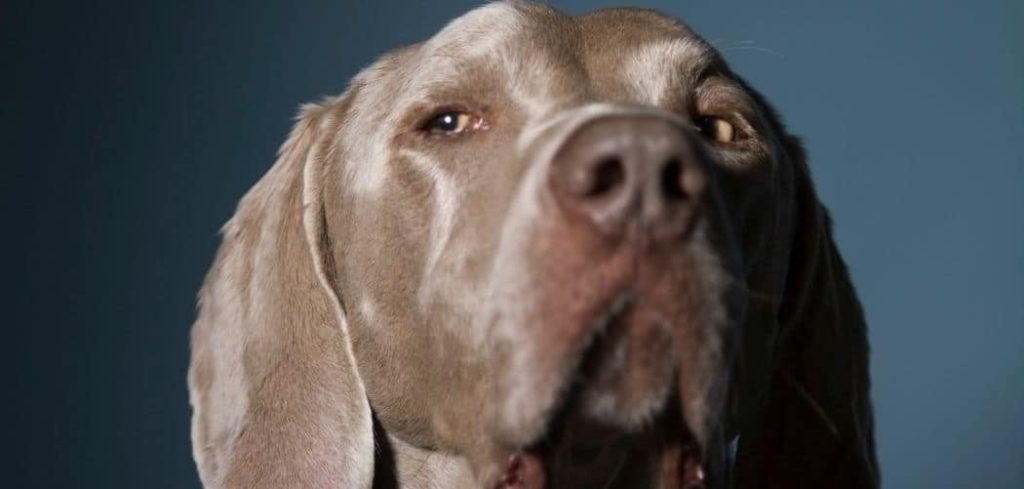
Do Dogs Stop Eating Near the End of Life?
Yes, many dogs do stop eating near the end of life, but it usually happens gradually rather than suddenly. As the body begins to shut down, metabolism slows, organ function declines, and the sense of smell and taste weakens.
Pain, nausea, and extreme fatigue can also reduce appetite. However, loss of appetite alone does not confirm end-of-life—it becomes more significant when combined with weight loss, weakness, withdrawal, and reduced mobility.
Read more: Old Dog Behavior Before Death (What to expect)
Old Dog Not Eating: Common Causes
Dental Disease
Dental problems are a leading reason older dogs stop eating. Tooth decay, gum infections, or loose teeth can make chewing painful.
Your dog may approach the food bowl eagerly but then back away, drool, or paw at their mouth.
Dental pain can make eating dry kibble especially difficult. Left untreated, oral infections can spread and worsen systemic health.
Kidney Disease
Chronic kidney disease (CKD) is common in aging dogs and can cause appetite loss.
As kidney function declines, waste products build up in the blood, leading to nausea and general malaise.
Your dog may also seem tired, drink more water, or urinate more frequently. If kidney issues are suspected, your vet will likely recommend bloodwork and a special renal diet.
Liver Disease
Liver problems can reduce appetite and energy levels. Signs often include vomiting, yellow-tinged eyes or gums (jaundice), and weight loss.
The liver plays a key role in digestion and detoxification, so when it’s impaired, your dog may feel too unwell to eat.
Prompt diagnosis and treatment are essential to support liver function.
Cognitive Dysfunction Syndrome (Doggy Dementia)
Just like people, older dogs can experience cognitive decline. Dogs with cognitive dysfunction may forget where their food bowl is, feel confused at mealtimes, or lose interest in food altogether.
Other signs include disrupted sleep, aimless pacing, or staring into corners. While not curable, symptoms can often be managed with diet changes and supplements.
Read more: Old Dog Syndrome (Signs, causes and treatment)
Cancer
Cancer becomes more common with age and can lead to appetite loss.
This could be due to pain, internal tumors, or the effects of chemotherapy. Weight loss, vomiting, or noticeable lumps may accompany your dog’s refusal to eat.
Early diagnosis gives your dog the best chance of comfort and quality of life.
Joint Pain or Arthritis
Even if your dog is hungry, pain from arthritis can make eating difficult.
They may avoid the food bowl if it’s on a slippery surface or at an uncomfortable height. You might also notice stiffness, limping, or reluctance to get up. Managing joint pain can improve your dog’s mobility and interest in eating.
Read more: Old Dog Vestibular Disease (Signs, causes and treatment)
Older Dog Not Eating but Acting Normal
If an older dog isn’t eating yet otherwise seems normal, the issue may be subtle and easy to miss. Dental disease, reduced sense of smell, food boredom, or early stages of illness can all reduce appetite without obvious behavior changes.
Even if your dog appears fine, skipping meals for more than a day—especially in seniors—should not be ignored, as it may be the first sign of a developing health problem.
Old Dog Not Eating but Drinking Water
An old dog that stops eating but continues to drink water is often experiencing mild nausea, dental pain, or an age-related decline in appetite.
Chronic conditions such as kidney disease, liver disease, or arthritis pain can also reduce interest in food while thirst remains normal or even increases.
While this can sometimes resolve on its own, appetite loss lasting more than 24–48 hours in a senior dog should be checked by a vet to rule out underlying illness.
Old Dog not Eating or Drinking
An old dog not eating or drinking is a medical emergency in many cases, especially if it lasts more than several hours. This can be caused by severe illness, advanced organ failure, obstruction, extreme pain, or systemic infection.
Dehydration can develop rapidly when water intake stops, worsening weakness and organ function.
Even if the dog appears calm, this combination of symptoms often indicates a serious underlying condition that needs immediate veterinary attention.
Old Dog not Eating and Becoming Weak
When an older dog is not eating and is becoming weak, it often indicates an underlying medical problem that may be serious.
Common causes include kidney or liver disease, cancer, infection, severe dental pain, or gastrointestinal illness. Without food intake, the body quickly starts using muscle for energy, leading to visible weakness.
This combination should be treated as urgent in senior dogs because their reserves are limited and they can decline quickly.
Old Dog Not Eating and Sleeping a Lot
When an older dog is not eating and is sleeping more than usual, it often signals systemic illness or discomfort.
Common causes include infections, organ disease, pain, anemia, or cognitive decline. Aging alone does not cause a dog to completely lose interest in food, so this combination of symptoms is concerning—especially if it develops suddenly.
Veterinary evaluation is important to identify and treat the root cause early.
Read more: Old dog not eating and sleeping a lot (When to worry)
Old Dog not Eating Food but Eating Treats
When an old dog refuses regular food but still eats treats, it often suggests partial appetite loss rather than complete refusal.
This can happen due to nausea, dental pain, or dislike of the main diet. Some dogs prefer treats because they are softer, more flavorful, or easier to chew.
However, it can also be an early sign of illness where the dog still has interest in high-value foods but not balanced meals. If this pattern continues, it may indicate an underlying health issue that needs evaluation.
Old Dog Not Eating and Vomiting
An old dog that is not eating and is vomiting is at high risk for dehydration and worsening illness. This combination is commonly linked to gastrointestinal disease, pancreatitis, kidney failure, intestinal obstruction, or toxin exposure.
Vomiting prevents the dog from keeping food down and often indicates more than a minor stomach upset in senior dogs.
This situation requires immediate veterinary care, especially if vomiting is repeated or contains blood.
What to Do If Your Old Dog Is Not Eating
Start by assessing your dog’s overall behavior. Are they still drinking water? Do they respond to treats or show interest in favorite foods? Offering warm, soft meals or hand-feeding may help entice them to eat.
You can also try adding low sodium broth, baby food (no onion or garlic), or canned dog food to their regular meals.
Check your dog’s mouth for visible signs of dental issues like tartar buildup, bad breath, or swelling. If your dog has arthritis, make sure their food bowl is elevated and easily accessible.
Sometimes changing the environment—feeding in a quieter spot or on a non-slip mat—can make a difference.
Appetite stimulants or veterinary-prescribed diets may be helpful in some cases, but these should only be used under professional guidance.
If your dog misses more than a meal or two, especially if other symptoms are present, don’t delay a vet consultation.
When to Call or Visit Your Vet
If your senior dog refuses food for more than 24–36 hours, it’s time to call your vet.
Watch for additional warning signs such as:
Vomiting or diarrhea.
Weight loss.
Lethargy or weakness.
Bad breath or mouth swelling.
Labored breathing.
Increased thirst or urination.
Older dogs can deteriorate quickly without proper nutrition and hydration. Your vet can perform a full physical exam and recommend bloodwork, dental checks, or imaging to determine the cause.
Read more: Dog Shaking and Not Eating (Know what it means)
Old Dog not Eating: Treatment
Veterinary treatment for an older dog not eating focuses on identifying the underlying cause and restoring appetite while supporting overall health.
Because loss of appetite in senior dogs can be linked to many conditions, your veterinarian will usually start with a full physical examination and may recommend blood tests, urine analysis, and imaging to check for issues such as kidney disease, liver problems, infections, cancer, or dental pain.
If nausea is present, treatment may include anti-nausea medication and stomach protectants to make eating more comfortable. If pain is contributing—such as from arthritis or dental disease—appropriate pain relief or dental treatment may be given.
In cases of dehydration, fluids may be provided under the skin or intravenously to stabilize the dog.
To encourage eating, your veterinarian may recommend a highly palatable or easily digestible diet, warmed food, or small frequent meals. In some cases, appetite stimulants may be prescribed if the dog is otherwise stable but unwilling to eat.
If the loss of appetite is due to a chronic or advanced illness, treatment may shift toward long-term management and comfort care, focusing on quality of life rather than full recovery.
Early veterinary intervention is important because prolonged lack of eating in senior dogs can quickly lead to weakness and further complications.
If you’re looking for products that may help make mealtimes easier for an aging dog, explore our guides to the Best Elevated Dog Bowls for Senior Dogs, Best Sensitive Stomach Dog Foods for Senior Dogs, and Best Probiotics for Senior Dogs.
You can also visit our Senior Dog Products hub for more expert recommendations to support your dog’s health and comfort.
Key Takeaway
An old dog not eating may be facing anything from dental issues to serious internal disease.
Never assume it’s just part of aging. Monitor your dog closely, offer soft and tempting foods, and make their eating experience as comfortable as possible.
If your dog skips meals or acts off, consult your vet promptly. Quick action can help ease discomfort, diagnose underlying issues, and support your senior dog’s well-being.


