
If your dog smells like Fritos and is constantly scratching, licking, or chewing at their skin, the combination of odor and itchiness may be a sign that something more than a normal dog smell is going on. The smell is noticed as a corn chip-like smell coming from their dog’s paws, skin, or ears, along with redness, irritation, or excessive licking.
Mild odor can sometimes be harmless, but when itchiness develops at the same time, it often suggests irritation or imbalance affecting the skin.
Paying attention to other symptoms can help identify when the problem may require veterinary care.
Table of Contents
Why Does My Dog Smell Like Fritos and Itchy?: Why It Happens
Dogs naturally carry bacteria and yeast on their skin and paws, and these microorganisms can produce a Fritos-like smell when they grow in warm, moist areas. When itchiness develops at the same time, it often means the skin is irritated, inflamed, or experiencing yeast or bacterial overgrowth.
Allergies, excessive licking, damp fur, ear infections, and skin conditions commonly contribute to both the odor and scratching.
In some dogs, the smell is mild and harmless, while in others it may signal an underlying skin problem that needs treatment.
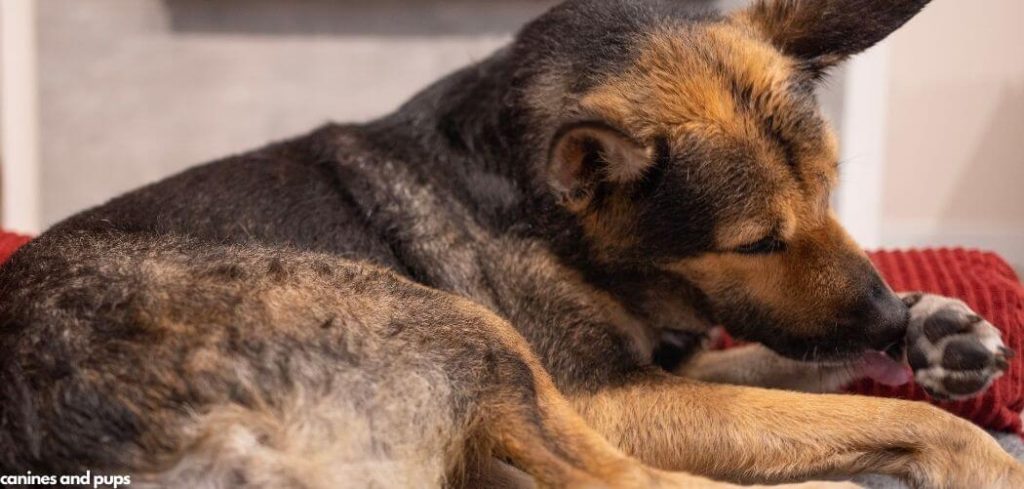
Is a Fritos Smell Normal in Dogs?
A mild Fritos or corn chip smell from the paws can be completely normal in healthy dogs. The odor comes from harmless bacteria naturally living on the skin.
However, when the smell becomes very strong or is combined with itchiness, redness, licking, or skin irritation, it usually suggests that yeast, allergies, or infection may be involved.
Dog Smelling Like Fritos and Itchy: Common Causes
Yeast Overgrowth
Yeast infections are one of the most common reasons a dog smells strongly like Fritos while also becoming itchy. Yeast naturally exists on the skin, but when it multiplies excessively, it creates a stronger musty, cheesy, or corn chip odor.
Dogs with yeast overgrowth often experience intense itching because the skin becomes inflamed and irritated.
The paws, ears, belly, armpits, and skin folds are especially vulnerable because these areas stay warm and moist.
Signs of yeast problems often include constant paw licking, brown saliva staining on the feet, red skin, greasy fur, ear odor, thickened skin, and darkened skin patches.
The smell may become especially strong after your dog has been outside in humid weather or after licking themselves repeatedly.
Related: Why Does My Dog Smell Like Stinky Feet?
Allergies
Allergies are one of the biggest triggers for itchy skin and Fritos-like odors in dogs. Food allergies and environmental allergies often cause inflammation that weakens the skin barrier, allowing yeast and bacteria to overgrow.
Dogs with allergies commonly chew their paws, scratch their ears, rub their face, or lick their belly excessively.
This repeated licking adds moisture to the skin, creating ideal conditions for odor-producing microorganisms.
Environmental allergies may worsen seasonally when pollen, grass, mold, or dust levels rise. Food allergies, on the other hand, often cause year-round symptoms.
Many allergic dogs also develop recurring ear infections and strong paw odors because the inflammation never fully resolves without treating the underlying allergy.
Natural Paw Bacteria With Mild Skin Irritation
A light Fritos or popcorn smell from a dog’s paws is often completely normal. Certain harmless bacteria naturally live on dog skin and paw pads and create this distinct scent.
However, if your dog is also itchy, the normal balance of skin microorganisms may be shifting due to irritation or inflammation.
Dogs sweat slightly through their paw pads, and moisture trapped between the toes creates an environment where bacteria and yeast thrive.
If your dog frequently licks their feet or scratches their skin, the moisture and irritation can make the odor stronger.
Mild itchiness may develop from dry skin, seasonal changes, minor allergies, or environmental irritation. In these situations, the smell may remain relatively mild but becomes more noticeable because the skin barrier is stressed.
Excessive Paw Licking
Sometimes the smell itself becomes stronger simply because your dog is constantly licking their paws. Saliva keeps the paws damp, and moisture encourages bacteria and yeast growth.
Dogs lick their paws for many reasons, including:
Anxiety
Allergies
Boredom
Skin irritation
Pain
Small injuries
Foreign objects between the toes
The more your dog licks, the more irritated and smelly the paws can become. Over time, the skin may become red, swollen, or even infected.
Bacterial Skin Infections
Bacterial infections often develop when the skin becomes damaged from scratching, allergies, or moisture buildup. These infections can create strong odors that resemble dirty feet, cheese, or sour corn chips.
The itchiness associated with bacterial infections may become severe, causing dogs to scratch constantly and further damage the skin.
Additional signs may include red bumps, hair loss, crusty skin, pimples, oozing sores, tender skin, and scabbing.
Bacterial infections often require veterinary treatment because they can spread quickly if left untreated.
Ear Infections
In some dogs, the Fritos smell actually comes from the ears rather than the paws. Yeast and bacterial ear infections can produce strong musty odors that owners commonly compare to corn chips or dirty feet.
Dogs with ear infections may also become itchy around the face and head. You might notice:
Ear scratching
Head shaking
Red ears
Brown discharge
Sensitivity when touching the ears
Floppy-eared breeds and dogs with allergies are especially prone to recurring ear infections.
Damp Fur and Poor Drying
Dogs that swim frequently, walk in wet grass, or stay damp after baths can develop stronger odors because moisture allows microorganisms to multiply rapidly.
If thick fur stays wet near the paws, belly, or skin folds, yeast and bacteria can flourish and create both odor and itching.
Dogs with heavy coats or skin folds may need extra drying and grooming to prevent skin irritation and trapped moisture.
Seborrhea and Oily Skin Conditions
Some dogs naturally produce excess skin oils, which can trap bacteria and yeast against the skin. Oily skin conditions such as seborrhea may create a persistent, unpleasant odor alongside itchiness.
These dogs often develop greasy fur, flaking skin, chronic odor, recurring infections, and thickened skin.
The smell may return quickly even after bathing because the underlying skin condition remains active.
Related: Old dog smells bad (Why it happens)
What You Can Do at Home
Keep the Paws Clean and Dry
Wipe your dog’s paws after walks and dry them thoroughly after baths or outdoor activities. Moisture control is one of the most important ways to reduce odor and irritation.
Prevent Excessive Licking
Reducing paw licking helps break the cycle of moisture and irritation. Addressing boredom, anxiety, or allergies may help decrease licking behavior.
Bathe Your Dog With a Gentle Shampoo
Regular baths using a veterinarian-approved shampoo can help remove allergens, oils, and bacteria from the skin. Avoid harsh products that may dry out or irritate the skin further.
Wash Bedding Frequently
Bacteria, allergens, and yeast can accumulate on bedding and blankets. Washing these regularly may help reduce skin irritation.
Monitor for Allergy Triggers
Pay attention to whether symptoms worsen during certain seasons, after eating specific foods, or after outdoor exposure.
When to Call or Visit the Vet
Contact your veterinarian if your dog has:
Severe itching
Constant paw licking
Red or swollen paws
Hair loss
Ear odor or discharge
Open sores
Greasy skin
Persistent odor
Bleeding from scratching
Recurrent skin infections
These symptoms often require medical treatment and allergy management rather than home care alone.
Dog Smelling Like Fritos and Itchy: Treatment
Veterinary treatment focuses on identifying and treating the underlying skin or yeast problem.
The “Fritos” smell is commonly linked to yeast or bacterial overgrowth on the skin or paws, especially in warm, moist areas. The veterinarian may examine the skin, ears, and paws and perform skin scrapings or swab tests to check for yeast infections, bacteria, allergies, or parasites.
Treatment often includes medicated shampoos, antifungal or antibiotic medications, and medicated wipes or sprays to reduce yeast and bacterial buildup.
If allergies are contributing to the itching, the vet may recommend allergy management through diet changes, prescription food trials, antihistamines, or other long-term allergy treatments.
Dogs with chronic itching may also need treatment for secondary skin infections caused by scratching and licking. Keeping the skin clean and dry, especially around the paws and ears, is often an important part of recovery.
Early veterinary care helps prevent the irritation from worsening into painful infections or long-term skin damage.
Key Takeaway
A dog that smells like Fritos and is itchy is often dealing with yeast overgrowth, allergies, moisture buildup, or skin irritation. While a mild corn chip smell can be normal, strong odors combined with scratching or licking usually indicate that the skin is becoming inflamed or imbalanced.
Early attention to skin health, grooming, and allergy management can help keep your dog more comfortable and prevent more serious infections from developing.