
Dogs often have funny little routines, and one of the strangest for many owners is waking up to a dog sniffing directly into their face.
While it may seem odd or even annoying, this behavior is usually linked to your dog’s instincts, curiosity, and emotional connection with you.
Table of Contents
Why Does My Dog Smell My Breath Every Morning: Why It Happens
Dogs experience the world primarily through scent, and your breath carries a huge amount of information that your dog naturally wants to investigate.
Morning breath can smell stronger because of bacteria buildup overnight, leftover food particles, dry mouth, or changes in body chemistry while sleeping.
Your dog may also associate your morning scent with waking routines such as feeding, cuddling, walks, or attention.
In many cases, smelling your breath is simply your dog’s way of checking in with you and gathering information about your mood, health, and daily routine.
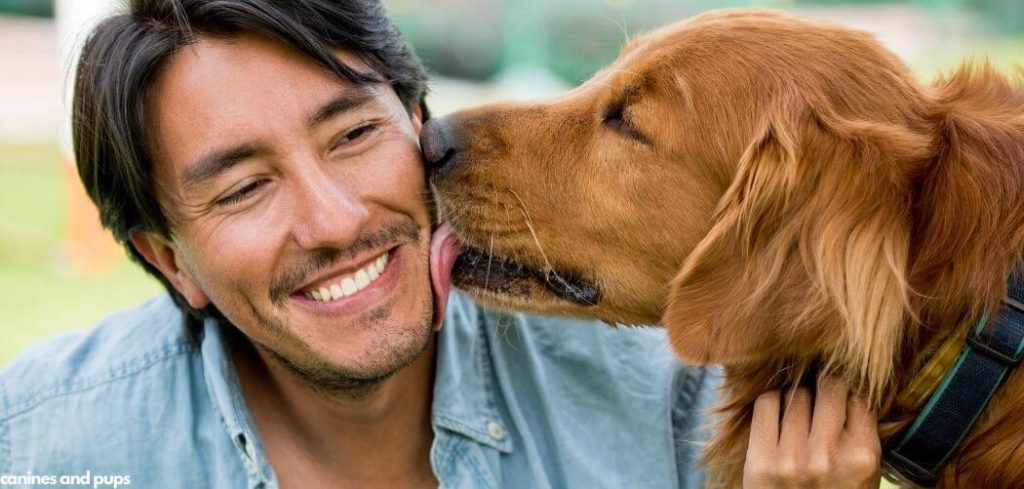
Is It Normal for Dogs to Smell Human Breath?
Yes, in most cases, this behavior is completely normal. Dogs naturally investigate smells, and human breath contains strong scent information that dogs find interesting. Many dogs sniff their owner’s face as part of their morning routine without any underlying problem.
As long as your dog seems otherwise healthy, relaxed, and happy, occasional morning breath sniffing is usually harmless.
Reasons Your Dog Smells Your Breath Every Morning
Your Dog Is Gathering Information About You
A dog’s sense of smell is incredibly powerful compared to a human’s. Dogs use scent almost like humans use sight and conversation combined.
Your breath contains subtle chemical signals about what you ate, how you slept, your emotional state, and even minor body changes.
When your dog smells your breath in the morning, they may simply be “reading” information about you. Overnight, saliva production decreases, allowing odors to become more concentrated.
This stronger scent naturally attracts your dog’s attention because it gives them more information to process.
For many dogs, this behavior becomes part of their normal daily check-in routine. They wake up, investigate your scent, and confirm everything seems normal before starting the day.
Related: Old dog smells bad (Causes and what to do)
Morning Breath Smells Interesting to Dogs
Humans usually dislike morning breath, but dogs may find it fascinating. Dogs are naturally attracted to strong or unusual smells, even ones people consider unpleasant.
The scent of bacteria, food residue, toothpaste remnants, or dry mouth may all seem highly interesting to your dog.
Your dog may especially focus on your breath if you ate flavorful foods the night before. Garlic, meat, dairy, peanut butter, or snacks can leave lingering odors that a dog easily detects hours later.
Some dogs are simply more scent-driven than others. Breeds developed for scent work, such as Beagles, Bloodhounds, or scent hounds, may be particularly interested in smelling faces and breath because investigating odors is deeply rewarding to them.
Your Dog Is Checking if You’re Awake
Many dogs learn that smelling your face is an effective way to see whether you are awake. Since dogs depend heavily on routine, they often anticipate the morning schedule very closely.
Your dog may know that once you wake up, breakfast, walks, playtime, or attention usually follow.
Sniffing your breath allows your dog to confirm you are waking up without immediately barking or jumping around. Some dogs gently investigate first before becoming more active.
Over time, this can become a learned habit. If your dog has previously received food, petting, or excitement shortly after sniffing your face, they may repeat the behavior every morning because it has been unintentionally rewarded.
Your Dog Feels Emotionally Bonded to You
Dogs often smell the people they love most. Your scent is comforting and familiar to your dog, and breath carries a concentrated version of your personal smell. Morning sniffing may therefore be part of affectionate bonding behavior.
Many dogs seek closeness first thing in the morning because they have been separated from their owners during the night or resting quietly for several hours. Smelling your breath may help them reconnect emotionally.
Some dogs also combine this behavior with licking, cuddling, tail wagging, or leaning against you. In these cases, the behavior is usually harmless and affectionate rather than concerning.
Your Dog Is Curious About Changes in Your Body
Dogs can detect subtle physical changes in humans remarkably well. Research suggests dogs may notice changes in hormones, stress levels, blood sugar, illness, or even emotional states through scent alone.
Morning breath may smell slightly different depending on factors such as:
Stress
Illness
Medications
Dietary changes
Hormonal shifts
Alcohol consumption
Dehydration
Your dog may become especially focused on your breath if they notice a new or unusual scent.
Some owners notice increased sniffing during pregnancy, illness, or periods of stress because their dog detects changes before humans fully recognize them themselves.
Your Dog Wants Attention
Sometimes the explanation is simple: your dog knows smelling your face gets a reaction. If you laugh, talk to them, pet them, or get out of bed afterward, your dog may view the behavior as successful attention-seeking.
Dogs repeat behaviors that work. Even pushing your dog away or talking to them can still count as attention from their perspective.
If the behavior consistently leads to interaction, your dog may make it part of their daily routine. This is especially common in highly social or attention-loving dogs.
Your Dog Associates Your Breath With Food
Dogs strongly associate scent with food opportunities. Your morning breath may carry lingering smells from dinner, snacks, toothpaste flavors, or treats. Mint toothpaste, fruity toothpaste, or flavored dental products can be especially interesting to some dogs.
Additionally, many dogs know that humans usually head to the kitchen shortly after waking up. Smelling your breath may therefore be tied to anticipation of breakfast or treats.
Food-motivated dogs are especially likely to investigate strong scents around the mouth because they constantly search for edible opportunities.
Anxiety
In some dogs, excessive face sniffing may be connected to anxiety or overattachment. Dogs that become overly dependent on their owners sometimes perform repetitive checking behaviors, especially during transitions like waking up.
If your dog appears restless, clingy, anxious when separated, or constantly needs reassurance, the morning breath-sniffing may partly reflect emotional insecurity.
These dogs often seek comfort through close physical contact and scent investigation.
However, occasional sniffing alone usually does not indicate a behavioral problem. It becomes more concerning only if it is accompanied by distress, pacing, whining, destructive behavior, or separation anxiety symptoms.
Could My Dog Be Detecting a Health Problem?
Sometimes dogs become unusually focused on a person’s breath because they notice changes in body chemistry. While dogs cannot diagnose medical conditions, they may react to unusual odors linked to:
Dental infections
Diabetes-related sweet breath
Acid reflux
Illness
Ketosis
Certain medications
If your dog suddenly becomes obsessed with smelling your breath and you also notice persistent bad breath, unusual tastes, fatigue, weight loss, or other health symptoms, it may be worth discussing with a doctor or dentist.
That said, most dogs sniff morning breath simply because it smells stronger and more interesting than usual.
How to Stop Your Dog From Smelling Your Breath in the Morning
Redirect the Behavior Calmly
If the behavior bothers you, avoid yelling or pushing your dog harshly away. Calmly redirect your dog toward another activity instead.
Offering a toy, asking them to sit, or immediately getting up for their routine can help shift their focus.
Avoid Accidentally Rewarding the Habit
If you laugh, pet, or excitedly respond every time your dog sniffs your face, your dog may interpret this as encouragement.
Try remaining neutral if you want the habit to decrease. Consistency matters. Mixed signals can make the behavior continue longer.
Create a Morning Routine
Dogs thrive on predictable schedules. Feeding, walking, or greeting your dog in a structured way each morning may reduce excessive sniffing because your dog no longer feels the need to investigate repeatedly.
Provide Mental Stimulation
Dogs that enjoy scent-related activities often benefit from enrichment throughout the day.
Puzzle toys, sniff walks, training games, and scent work activities can help satisfy your dog’s natural investigative instincts in more appropriate ways.
When to Be Concerned
Contact your veterinarian if the breath-sniffing behavior suddenly becomes intense or is accompanied by:
Obsessive licking
Anxiety
Restlessness
Aggression
Sudden behavior changes
Signs of illness
Excessive clinginess
Loss of appetite
Confusion or disorientation
A sudden major change in behavior may sometimes signal stress, cognitive changes, or medical issues that deserve evaluation.
Key Takeaway
Dogs smell their owner’s breath every morning mainly because they are curious, scent-driven animals that use smell to understand the world around them.
Your breath contains information about your health, emotions, recent meals, and daily routine, making it naturally fascinating to your dog.
In many cases, this behavior is also linked to affection, bonding, and anticipation of morning activities.
Most of the time, morning breath sniffing is harmless and simply reflects your dog’s strong connection to you. If the behavior becomes excessive or suddenly changes, however, it may be worth paying closer attention to your dog’s emotional or physical health.


