
A dog that suddenly smells like stinky feet can be unpleasant and concerning, especially when the odor lingers even after grooming or bathing.
Many owners describe the smell as similar to corn chips, sweaty socks, or strong feet odor coming from the paws, ears, skin, or coat. While some mild odor can be normal in dogs, a strong or sudden smell may point to an underlying issue that needs attention.
Understanding why your dog has this unusual odor can help you determine whether simple hygiene care or veterinary treatment may be needed.
Table of Contents
Why Does My Dog Smell Like Stinky Feet?: Why It Happens
A “stinky feet” smell in dogs is most commonly caused by natural bacteria or yeast growing on the skin, especially around the paws and skin folds. Dogs sweat slightly through their paw pads, and moisture trapped in the fur can create the perfect environment for odor-causing microorganisms.
Allergies, skin infections, dirty paws, ear problems, and oily skin can all make the smell stronger. In some dogs, the odor is mild and harmless, while in others it may signal an underlying skin or health issue.
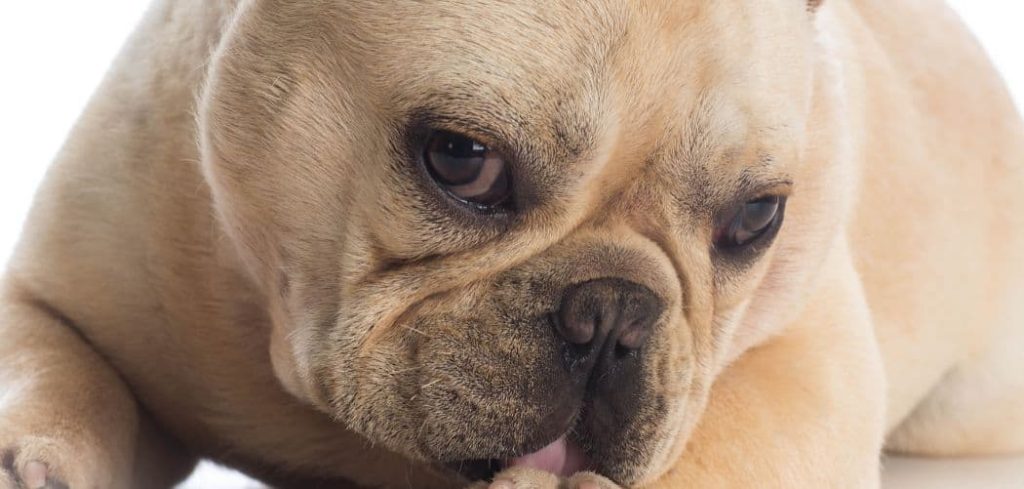
Dog Smelling Like Stinky Feet: Common Causes
Natural Paw Bacteria and Yeast
One of the most common reasons dogs smell like stinky feet is the presence of normal bacteria and yeast on the paws. Dogs naturally carry microorganisms on their skin, and certain types produce a smell similar to corn chips, cheese, or sweaty feet.
Because dogs sweat minimally through their paw pads, moisture can collect between the toes and under the fur.
Warm, damp areas encourage yeast and bacteria to multiply, especially if your dog frequently licks their paws or walks on wet surfaces.
A mild odor is usually normal in many dogs. However, when the smell becomes very strong, sour, or unpleasant, it may indicate overgrowth rather than normal skin flora.
Related: Why Does My Dog Smell Like Fritos and Itchy?
Yeast Infections
Yeast infections are a very common cause of strong “feet-like” odors in dogs. Yeast naturally lives on the skin, but when it overgrows, it can produce a musty, cheesy, or sweaty smell.
Dogs with yeast problems often develop additional symptoms such as:
Paw licking
Red skin
Greasy fur
Brown staining around the paws
Ear odor
Itching
Thickened skin
Yeast thrives in moist environments, making paws, ears, armpits, and skin folds especially vulnerable.
Allergies are one of the biggest triggers for yeast overgrowth. Dogs with food allergies or environmental allergies may repeatedly lick or chew at their paws, creating moisture and irritation that allows yeast to flourish.
Dirty or Damp Paws
Dogs constantly walk through dirt, grass, mud, bacteria, and outdoor debris. If the paws stay damp for long periods after walks, baths, rain, or swimming, odors can quickly develop.
Moisture trapped between the toes creates the perfect environment for bacteria and yeast growth. Dogs with thick fur between the paw pads are especially prone to retaining moisture and developing smells.
Sometimes owners notice the odor becoming stronger during humid weather or rainy seasons because the paws never fully dry out.
Even indoor dogs can develop smelly paws if they frequently lick them or lie on damp surfaces.
Allergies
Allergies are one of the most overlooked reasons dogs develop unpleasant odors. Environmental allergies, food allergies, and contact allergies often cause inflammation and itching around the paws and skin.
When dogs lick or chew their paws excessively, saliva keeps the area moist and irritated. This weakens the skin barrier and encourages yeast and bacteria growth, leading to a strong, stinky-feet smell.
Allergic dogs may also develop:
Red paws
Chronic ear infections
Skin rashes
Hair loss
Frequent scratching
Face rubbing
The odor may worsen seasonally if pollen, grass, or environmental allergens are involved.
Skin Infections
Bacterial skin infections can also create strong, unpleasant odors. These infections may develop after allergies, skin irritation, cuts, excessive moisture, or damage to the skin barrier from scratching.
Bacteria release odor-producing compounds that can smell sour, musty, or like dirty feet. The smell often becomes stronger when the coat is oily or the infection spreads beneath thick fur.
Dogs with skin infections may additionally have redness, pimples, scabs, crusting, hair loss, tender skin, and excessive itching.
Skin infections usually require veterinary treatment because they often worsen without proper medication.
Related: Old dog smells bad (Why it happens)
Ear Infections
Sometimes the smell does not actually come from the paws at all. Ear infections commonly produce strong odors that owners describe as cheesy, musty, or similar to dirty feet.
Dogs with floppy ears, allergies, or excessive ear moisture are especially prone to yeast or bacterial ear infections.
You may notice:
Head shaking
Ear scratching
Red ears
Dark discharge
Pain when touching the ears
If your dog smells strongly like stinky feet but the paws seem normal, the ears should be checked carefully.
Oily Skin and Seborrhea
Some dogs naturally produce excess skin oils, which can trap dirt, bacteria, and yeast. Seborrhea, a skin condition involving abnormal oil production, may create strong body odors that resemble sweaty feet or rancid oils.
Dogs with seborrhea often have greasy fur, flaky skin, thickened skin, persistent odor and recurrent skin infections.
Certain breeds are more prone to oily skin conditions, and the odor may persist even after bathing.
Poor Grooming or Coat Care
Dogs with thick coats, skin folds, or long fur may trap moisture and debris easily. If grooming is infrequent, bacteria and oils can accumulate over time and create unpleasant odors.
Matted fur can also trap moisture close to the skin, encouraging microbial growth.
Regular brushing, paw cleaning, and coat maintenance help reduce odor buildup significantly.
What You Can Do at Home
Keep the Paws Clean and Dry
Wipe your dog’s paws after walks, especially during wet weather. Dry the fur carefully between the toes to prevent moisture buildup.
Trim Excess Fur Around the Paw Pads
Long fur traps dirt and moisture. Carefully trimming excess hair around the paws can improve airflow and reduce odor.
Bathe Your Dog Regularly
Using a gentle dog-safe shampoo can help remove oils, allergens, and bacteria from the coat. Avoid overbathing, however, because it can irritate the skin and worsen some conditions.
Address Paw Licking
Frequent licking often points to allergies, irritation, or infection. Preventing excessive licking helps reduce moisture and odor.
Check the Ears
Since ear infections can mimic a stinky-feet smell, inspect your dog’s ears for redness, discharge, or irritation.
When to Call or Visit the Vet
Contact your veterinarian if the odor is accompanied by:
Excessive licking or chewing
Red or swollen paws
Hair loss
Ear discharge
Skin sores
Persistent itching
Greasy skin
Bleeding
Limping
Strong worsening odor
A veterinarian may recommend skin testing, allergy management, medicated shampoos, antifungal medication, or antibiotics depending on the cause.
Dog Smelling Like Stinky Feet: Treatment
Treatment depends on the underlying problem. Your veterinarian may prescribe:
Antifungal medications
Antibiotics
Medicated wipes or shampoos
Allergy medications
Prescription diets
Ear medications
Anti-itch therapy
Managing the root cause is important because odors often return if underlying allergies or infections remain untreated.
Prevention Tips
You can help prevent stinky-foot odors by:
Keeping paws dry
Cleaning paws after walks
Managing allergies early
Maintaining regular grooming
Treating ear infections promptly
Preventing excessive licking
Using veterinarian-approved skin products
Key Takeaway
A dog that smells like stinky feet is often dealing with bacteria, yeast, moisture buildup, or skin irritation around the paws or skin.
Mild odors can be normal, especially around the feet, but strong or persistent smells may signal allergies, infections, or skin problems that need attention.
Paying close attention to paw health, grooming, and skin changes can help keep your dog comfortable and reduce unpleasant odors before they become more serious.