
Watching your old dog pace around the house and pant during the night can be upsetting, especially if they used to sleep peacefully.
Occasional nighttime restlessness can happen, but repeated panting and inability to settle in a senior dog can sometimes indicate pain or an underlying medical condition.
Table of Contents
Old Dog Restless and Panting at Night: Why It Happens
An old dog that becomes restless and pants at night may be experiencing pain, cognitive changes, anxiety, digestive discomfort, breathing issues, or age-related medical conditions that become more noticeable during quiet nighttime hours.
Senior dogs sometimes struggle to settle because discomfort feels more obvious when distractions are reduced.
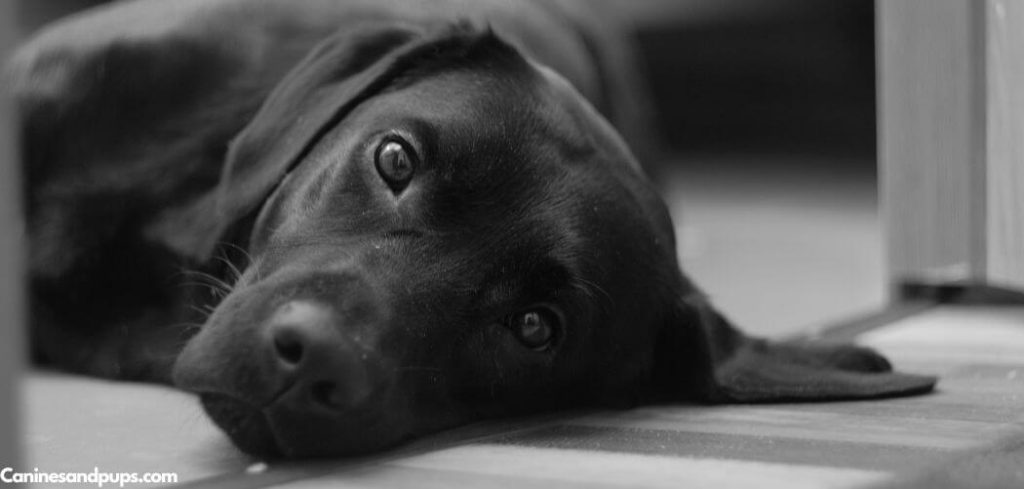
Old Dog Restless and Panting at Night: Symptoms
If your old dog is restless and panting at night, common symptoms may include:
Heavy panting
Pacing around the house
Difficulty settling down
Repeated position changes
Whining
Sleep disruption
Shaking
Behavior changes
Old Dog Restless and Panting at Night: Common Causes
Arthritis or Joint Pain
One of the most common reasons senior dogs become restless at night is pain from arthritis or age-related joint changes. Older dogs often have discomfort that becomes more noticeable while resting.
A dog with sore joints may repeatedly stand up, circle, change sleeping spots, or pace around because they cannot find a comfortable position. Panting commonly occurs because pain creates stress within the body.
You may also notice stiffness after resting, hesitation before standing up, slower movement, or difficulty climbing stairs.
Some dogs seem fine during the day but become much more uncomfortable at night.
Read more: Old Dog Circling and Pacing (What it means)
Cognitive Changes (Canine Cognitive Dysfunction)
Cognitive decline can affect memory, awareness, and sleep patterns in older dogs. Some owners compare these changes to dementia-like symptoms in people.
Dogs experiencing cognitive changes sometimes wake during the night feeling confused or disoriented. They may wander around the house, stare at walls, get stuck in corners, or seem unsure where they are.
Nighttime often makes these symptoms more obvious because the environment becomes darker and quieter. You may also notice changes in sleep routines, reduced interaction, or unusual nighttime vocalization.
Read more: Old Dog Syndrome (Causes and Treatment)
Anxiety
Senior dogs sometimes become more emotionally sensitive as they age.
Nighttime noises, storms, visitors, changes in routine, separation from owners, or unfamiliar situations can trigger anxiety.
Some dogs pace and pant because they feel unsettled, even when there is no obvious threat.
Stress-related symptoms can vary widely. Some dogs become clingy, while others wander around or repeatedly change locations.
Digestive Discomfort
Stomach discomfort can make it difficult for dogs to relax and sleep.
Older dogs experiencing nausea, gas, acid reflux, bloating, or digestive upset sometimes appear restless and uncomfortable during nighttime hours. Dogs may pace, repeatedly swallow, lick their lips, or struggle to settle.
Some owners notice symptoms becoming worse after meals or after dietary changes. Appetite changes, vomiting, or stomach noises may also occur.
Heart Disease or Breathing Problems
Heart and respiratory conditions become more common as dogs age and may sometimes cause nighttime panting.
When the body struggles to move oxygen efficiently, breathing changes can become more obvious while resting or lying down. Some dogs repeatedly stand up or pace because they feel uncomfortable breathing in certain positions.
You may notice coughing, tiring easily, heavier breathing, or reduced activity levels along with nighttime symptoms.
Hormonal or Other Medical Conditions
Certain medical problems can create both restlessness and increased panting.
Hormonal disorders, infections, neurological problems, kidney disease, and other illnesses can affect sleep patterns and overall comfort. Some dogs initially develop subtle symptoms that seem unrelated.
You may also notice increased thirst, appetite changes, weakness, accidents indoors, or behavioral differences.
Read more: Old Dog Panting Excessively (Here’s why)
Old Dog Restless and Panting at Night: What to Do
Pay close attention to patterns and note when the behavior occurs. Notice whether symptoms happen at specific times, after meals, after activity, or during environmental changes.
Make your dog’s sleeping area comfortable and easy to access. Orthopedic beds, soft bedding, and rugs on slippery floors may help reduce discomfort.
Keep nighttime routines consistent because predictable schedules may reduce anxiety and confusion.
Monitor for additional symptoms such as coughing, vomiting, limping, increased drinking, or changes in appetite.
When to Call or Visit Your Vet
Contact your veterinarian if nighttime restlessness and panting continue for more than a few nights or gradually worsen.
Schedule an appointment if you notice:
Difficulty getting comfortable
Confusion
Appetite changes
Increased thirst
Mobility problems
Coughing
Seek immediate veterinary attention if your dog develops:
Difficulty breathing
Blue or pale gums
Collapse
Severe weakness
Sudden inability to stand
Extreme distress
Old Dog Restless and Panting at Night: Treatment
The veterinarian may perform a physical examination and recommend bloodwork, X-rays, heart evaluation, or additional testing depending on symptoms and suspected causes.
Treatment depends on the underlying issue and may include pain management, treatment of medical conditions, support for cognitive changes, anxiety management, or environmental modifications.
Key Takeaway
An old dog that becomes restless and pants at night should not automatically be assumed to be experiencing normal aging. While age-related changes can contribute, pain, cognitive decline, anxiety, and medical conditions are common possibilities.
Pay attention to patterns and accompanying symptoms. Early veterinary evaluation can help identify the cause and improve your senior dog’s comfort and sleep quality.


