
It can be alarming to notice your senior dog panting excessively, especially if it’s happening even when they haven’t exercised or the weather isn’t hot.
While panting is a normal canine behavior, excessive panting in older dogs often signals something more serious than just heat or exertion.
Table of Contents
Old Dog Panting Excessively: Why It Happens
Excessive panting in senior dogs can stem from medical conditions, chronic pain, medication side effects, or anxiety.
Heart disease, heatstroke, respiratory disorders, and hormonal imbalances are frequent culprits. In some cases, dogs may pant more due to arthritis pain, cognitive dysfunction, or even tumors affecting their breathing.
Because older dogs are more vulnerable to illness and stress, persistent panting is often a sign that something deeper is going on.
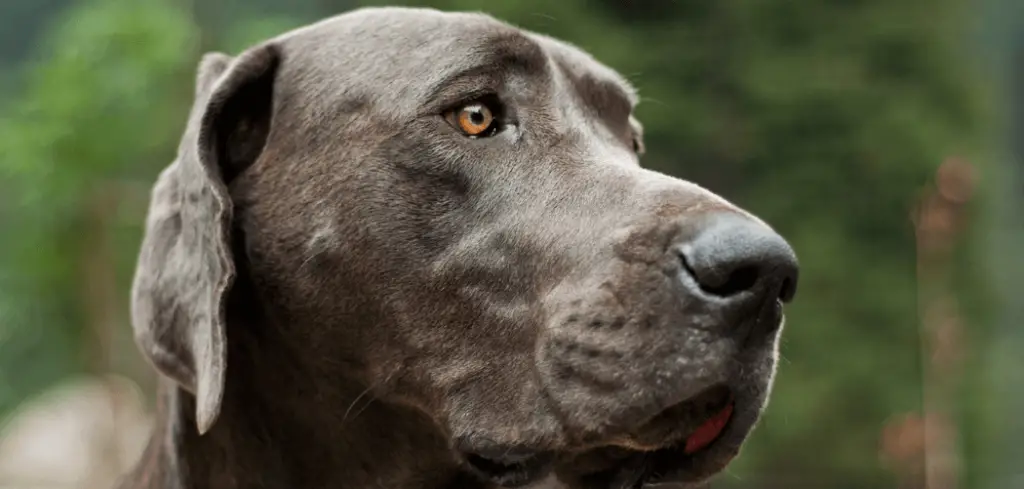
Old Dog Panting Excessively: Common Causes
Heart Disease
Heart disease is a common reason older dogs pant more than usual.
As the heart weakens, it struggles to pump blood efficiently, leading to poor oxygenation of the body. Dogs may compensate by breathing faster or harder, resulting in chronic panting.
Owners might also notice coughing, fatigue, or reluctance to exercise.
This condition is especially serious in senior dogs, as their bodies are less able to handle oxygen deficits or fluid buildup around the lungs.
Related: Old Dog Heart Murmur Life Expectancy
Heatstroke
Older dogs are more prone to overheating, even in moderate temperatures. Panting is a natural cooling mechanism, but if it becomes intense and unrelenting, it may point to heatstroke.
This is especially concerning for dogs with thick coats, short snouts, or pre-existing health conditions.
Signs include drooling, vomiting, red gums, and disorientation. Left untreated, heatstroke can cause organ failure and death.
Respiratory Conditions
Chronic bronchitis, collapsing trachea, and laryngeal paralysis are just a few respiratory conditions that cause excessive panting in older dogs.
These issues restrict airflow, making it harder for your dog to breathe normally.
You might notice wheezing, noisy breathing, or your dog stretching their neck while panting.
For seniors, these symptoms should be taken seriously as they can escalate quickly and may require lifelong management.
Pain or Discomfort
Pain is often overlooked as a cause of panting, but it’s a major contributor, especially in aging dogs.
Arthritis, dental disease, or even abdominal pain can trigger stress and cause your dog to pant excessively.
You may see subtle signs like limping, a hunched back, or avoiding stairs.
Because dogs hide pain instinctively, panting might be one of the few visible symptoms owners notice.
Read more: Old dog breathing heavy and not eating (Here’s why)
Cushing’s Disease
Cushing’s disease (hyperadrenocorticism) is common in older dogs and often leads to increased panting.
This condition causes the body to produce too much cortisol, a stress hormone that affects metabolism and fluid balance.
In addition to panting, you might see symptoms like increased thirst and urination, hair loss, or a pot-bellied appearance.
It’s a chronic illness but manageable with proper treatment.
Anxiety or Cognitive Dysfunction
Senior dogs may become more anxious or develop cognitive dysfunction syndrome (similar to dementia).
Changes in routine, vision loss, or confusion can cause them to pant due to stress.
They might also pace, whine, or seem disoriented.
While not immediately life-threatening, anxiety-related panting should still be addressed to improve your dog’s quality of life.
Read more: Old Dog Syndrome (Signs, causes and treatment)
Old Dog Panting Excessively at Night
Excessive panting at night in an older dog can be caused by pain, anxiety, cognitive decline, or underlying medical conditions.
Senior dogs with arthritis or internal discomfort may pant more when lying down for long periods. Cognitive dysfunction can also cause nighttime restlessness, confusion, and increased panting.
Other possible causes include heart disease, respiratory problems, overheating, or hormonal conditions.
If nighttime panting appears suddenly, persists, or is accompanied by pacing, restlessness, or changes in appetite, it may indicate discomfort that should be evaluated.
Senior Dog Panting at Night and Drinking Lots of Water
A senior dog that is panting at night and drinking lots of water may be showing signs of an underlying medical condition rather than normal aging.
Common causes include kidney disease, diabetes, Cushing’s disease, heart disease, or chronic pain.
These conditions can increase thirst while also making the dog restless or uncomfortable at night, leading to panting. Some dogs also pant due to anxiety or cognitive decline, especially in the evening when they become more confused.
This combination of symptoms often points to internal illness, therefore it should be monitored closely, especially if it is new or worsening.
Old Dog Panting and Drinking Lots of Water
Panting along with increased water intake in a senior dog may indicate underlying illness such as kidney disease, diabetes, Cushing’s disease, or infection.
These conditions can increase thirst while also causing discomfort that leads to panting.
Dehydration, fever, or pain may also contribute to both symptoms. In some cases, dogs drink more water to compensate for fluid loss, which can also increase urination.
Old Dog Excessive Panting and Pacing
Panting combined with pacing in an older dog often suggests discomfort, anxiety, or confusion.
Dogs may pace when they cannot settle due to pain, digestive upset, or difficulty breathing.
Cognitive decline is another common cause, leading to restlessness and disorientation, especially in the evening or at night.
Some dogs pace because they need to urinate, are nauseated, or are experiencing internal discomfort.
When panting and pacing occur together, it usually indicates that the dog is struggling to get comfortable rather than simply being active.
Old Dog Panting Excessively While Sleeping
Excessive panting while sleeping in an older dog is not considered normal and may suggest pain, breathing difficulty, heart problems, or overheating.
Dogs normally relax and breathe quietly during sleep, so persistent panting can indicate discomfort or reduced oxygen efficiency.
Conditions like heart disease, respiratory disorders, fever, or internal inflammation may cause this behavior.
In some cases, cognitive dysfunction can also disrupt normal sleep patterns, leading to restlessness and panting even at rest. If panting during sleep happens regularly or increases over time, it should be evaluated.
Old Dog Panting Excessively: What to Do
Start by observing when and how often the panting occurs. Take note of the time of day, temperature, activity levels, and any changes in behavior or appetite.
Make sure your dog is in a cool, calm environment with access to fresh water. Reduce any stressors such as loud noises, unfamiliar guests, or disrupted routines.
If your dog seems overheated, offer cool (not cold) water and place them in a shaded or air-conditioned space. You can use a fan to promote air circulation.
For dogs with arthritis or known pain issues, avoid strenuous exercise and ask your vet about pain management options.
Try to keep a symptom journal. Documenting your dog’s panting episodes will help your vet make a more accurate diagnosis.
When to Call or Visit Your Vet
Call your vet immediately if your senior dog is panting excessively and shows signs of distress such as:
Blue or pale gums
Difficulty breathing or noisy respiration
Weakness or collapse
Persistent coughing
Vomiting or diarrhea
Also, seek veterinary help if the panting is sudden, worsens over time, or is accompanied by other unusual behaviors like confusion, pacing, or excessive thirst.
Excessive panting that doesn’t improve with rest or a change in environment should never be ignored in older dogs.
Early intervention can make a significant difference in both treatment success and your dog’s comfort.
Read more: Old dog lethargic and not eating (When it’s more than aging)
Old Dog Panting Excessively: Treatment
Treatment for excessive panting in an older dog depends on identifying the underlying cause. Your veterinarian may perform a physical exam, blood tests, and possibly X-rays or heart and lung evaluations.
If pain is suspected, pain relief and anti-inflammatory medication may be prescribed.
For heart or respiratory disease, specific medications to support breathing and circulation may be required.
If hormonal disorders like Cushing’s disease are diagnosed, long-term medical management is used. In cases of anxiety or cognitive decline, calming strategies or medication may be recommended.
Treatment focuses on reducing discomfort, improving breathing, and addressing the root cause rather than just the symptom.
Key Takeaway
Panting is normal, but excessive panting in older dogs should never be dismissed as just a sign of aging.
It can indicate serious underlying issues such as heart disease, respiratory problems, pain, or hormonal imbalances.
If you notice your old dog panting excessively, take proactive steps to keep them comfortable and monitor their symptoms closely.
Don’t hesitate to contact your vet, especially if the panting is accompanied by other concerning signs.
Your attentiveness can go a long way in ensuring your senior dog stays healthy, comfortable, and happy in their golden years.


