
An old dog with bad gas and a reduced appetite may be experiencing a change from its normal eating and digestive patterns. The gas may become stronger-smelling or occur more frequently, while your senior dog may eat less than usual, refuse food, or lose interest in meals altogether.
The timing and progression of these changes can provide useful information about your dog’s condition.
Consider whether your dog continues to drink normally, pass stool, and move comfortably, and whether vomiting, changes in behavior, or reduced energy are also present.
In an older dog, a new or persistent loss of appetite deserves particular attention, especially when it occurs together with other digestive changes or a decline in normal activity.
Table of Contents
Old Dog Has Bad Gas and Not Eating: Why It Happens
An old dog with bad gas and loss of appetite may have digestive discomfort, nausea, or another underlying health problem. Gas can occur with dietary changes, food intolerance, constipation, or gastrointestinal irritation, while refusing food may indicate that the dog does not feel well enough to eat.
Older dogs can also develop conditions affecting the digestive organs, kidneys, liver, or other body systems that may reduce appetite.
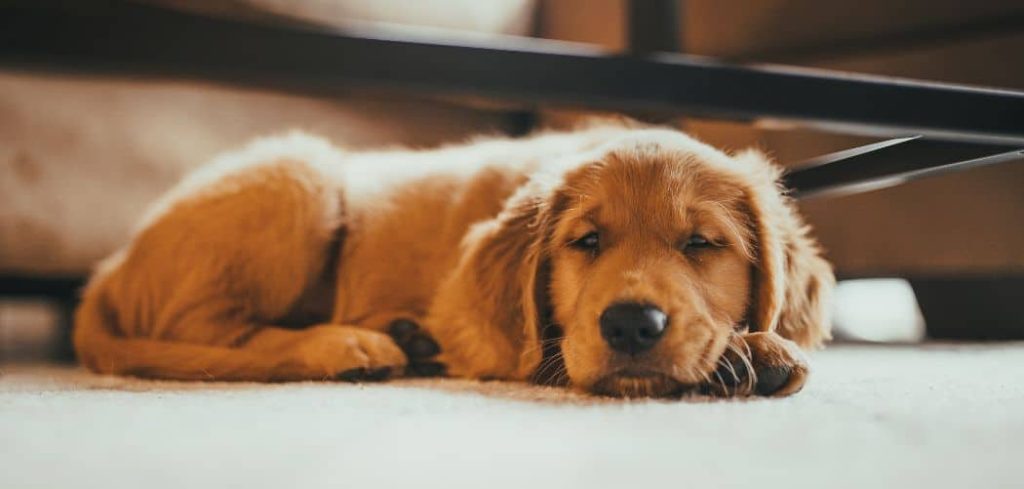
Old Dog Has Bad Gas and Not Eating: Common Causes
Dietary Upset or Sudden Food Change
A change in food, new treats, table scraps, spoiled food, or eating something unusual can increase intestinal gas and temporarily reduce appetite.
Different ingredients can also change the amount of material fermented by intestinal bacteria. Eating too quickly can increase swallowed air and contribute to flatulence.
A mild dietary upset may resolve relatively quickly, but persistent refusal to eat should not automatically be attributed to food.
Related: Dog diarrhea and smelly gas (Causes and what to do)
Gastrointestinal Inflammation
Inflammation of the stomach or intestines can cause nausea, abdominal discomfort, gas, vomiting, diarrhea, and reduced appetite.
Digestive disorders commonly produce combinations of appetite loss, vomiting, diarrhea, constipation, abdominal distension, abdominal pain, and weight loss.
Related: Dog has bad gas suddenly (Causes and treatment)
Constipation
Constipation can make a dog uncomfortable and may reduce the desire to eat.
Some dogs with constipation strain repeatedly, pass only small amounts of stool, or produce small amounts of liquid material that can be mistaken for diarrhea. Abdominal discomfort may also occur.
In an older dog, persistent constipation deserves veterinary attention, particularly if appetite has also decreased.
Pancreatitis
Pancreatitis can cause digestive discomfort, nausea, vomiting, diarrhea, abdominal pain, and loss of appetite.
Gas is not specific to pancreatitis, but gastrointestinal signs can overlap, so a dog that suddenly stops eating and appears uncomfortable may need an examination rather than dietary changes alone.
Related: Dog has bad gas and not eating (Causes and when to worry)
Kidney Disease
Kidney disease is an important consideration in older dogs because it becomes increasingly common with age.
When kidney function declines, waste products can accumulate in the bloodstream and contribute to nausea, loss of appetite, reduced energy, and weight loss.
Kidney disease does not necessarily cause excessive gas directly, so the gas and appetite loss may reflect separate problems or a combination of digestive and systemic effects.
Liver or Other Metabolic Disease
Diseases affecting the liver, endocrine system, or other organs can produce gastrointestinal symptoms and appetite changes.
Digestive signs such as vomiting or reduced appetite can occur secondary to systemic illnesses, including kidney and liver disease and certain hormonal disorders.
This is one reason a persistent appetite change in an older dog may require more than a gastrointestinal evaluation.
Dental or Mouth Pain
An older dog may appear uninterested in food because eating is uncomfortable.
Dental disease, painful teeth, or problems affecting the mouth can cause decreased food intake.
Some dogs with oral pain may approach food but hesitate, chew differently, drop food, or prefer softer foods.
Gas may be unrelated and could simply be occurring at the same time.
Intestinal Obstruction or Foreign Object
Although foreign-object obstruction is often associated with younger dogs, an older dog can still develop an obstruction.
A blockage can cause reduced appetite, vomiting, abdominal pain, and gastrointestinal distension. Depending on where the obstruction occurs and whether it is partial or complete, bowel movements can change as well.
If your dog could have swallowed a toy, bone, fabric, plastic, or another non-food item, veterinary assessment is important.
Intestinal Disease or Malabsorption
Chronic intestinal disease can lead to excessive gas, bloating, diarrhea, weight loss, and changes in appetite.
Some malabsorption disorders are associated with increased intestinal gas and bloating, although these conditions are not the only explanation for flatulence.
If an older dog has recurring gas along with weight loss or chronic stool changes, an underlying gastrointestinal disorder should be investigated.
Medication-Related Gastrointestinal Upset
Some medications can cause digestive side effects or affect appetite.
This is particularly important in older dogs because they may take medications for several chronic conditions.
Tell your veterinarian about every prescription medication, supplement, and other product your dog receives rather than assuming a new symptom is unrelated.
Related: Dog Has Bad Gas and Bloody Diarrhea (Causes and treatment)
Old Dog Has Bad Gas and Not Eating but Is Still Drinking
An old dog that is drinking but not eating may still be experiencing nausea, stomach irritation, dental discomfort, or another condition affecting appetite.
Drinking water is reassuring because it helps maintain hydration, but it does not necessarily mean the underlying problem is mild.
Dietary changes, constipation, gastrointestinal disease, pancreatitis, and age-related health conditions can all contribute to reduced appetite and gas.
If the dog continues drinking but refuses food, monitor closely and contact a veterinarian, particularly if this lasts beyond a meal or becomes more pronounced.
Vomiting, diarrhea, weakness, abdominal pain, dehydration, or inability to keep water down requires immediate veterinary attention.
Old Dog Has Bad Gas and Not Eating but Acting Normal
An old dog may have bad gas and temporarily refuse food while still appearing normal because of mild digestive upset, a recent dietary change, eating something unusual, or simply reduced appetite for a short period.
Some older dogs may also have dental or mouth discomfort that makes eating less appealing even when their activity and behavior seem unchanged.
Acting normally is reassuring, but it does not completely rule out an underlying problem.
If the dog continues refusing food, loses weight, develops vomiting or diarrhea, shows abdominal discomfort, or becomes less active, a veterinary examination can help determine the cause.
Old Dog Has Bad Gas, Not Eating, and a Bloated Belly
Bad gas, loss of appetite, and a bloated belly in an old dog can result from digestive upset, constipation, food intolerance, or accumulation of gas.
However, a noticeably enlarged or tense abdomen combined with refusal to eat can also occur with more serious gastrointestinal problems, including an obstruction or gastric dilatation-volvulus (GDV).
If the belly becomes hard or rapidly enlarged, or the dog is restless, drooling, repeatedly trying to vomit without producing anything, breathing heavily, becoming weak, or collapsing, seek emergency veterinary care immediately.
Even without these emergency signs, persistent bloating and loss of appetite in an older dog should be assessed by a veterinarian.
Old Dog Has Bad Gas, Not Eating, and Vomiting
Bad gas, vomiting, and loss of appetite in an old dog can indicate significant gastrointestinal irritation or another underlying illness.
Dietary indiscretion, food intolerance, gastroenteritis, constipation, pancreatitis, and intestinal obstruction are possible causes, while illnesses affecting organs such as the kidneys or liver can also cause nausea and appetite loss.
Older dogs may be less able to tolerate prolonged vomiting or reduced food intake.
Veterinary attention is particularly important if vomiting is repeated, the dog cannot keep water down, has abdominal pain or swelling, becomes weak or lethargic, or has blood in the vomit or stool.
When to Call or Visit the Vet
An older dog that has suddenly stopped eating should be monitored closely, and veterinary advice is appropriate if the appetite loss persists or other symptoms develop.
Seek immediate veterinary care if your dog has:
Refused multiple meals or continues not eating
Repeated vomiting or diarrhea
A swollen, hard, or painful abdomen
Marked weakness, lethargy, or difficulty standing
Noticeable weight loss
Blood in the stool or vomit
Significant changes in drinking or urination
Repeated straining to poop or inability to pass stool
Signs of significant pain, restlessness, or unusual posture
Possible ingestion of a foreign object
Sudden abdominal swelling with repeated unsuccessful retching
A suddenly distended abdomen accompanied by repeated unproductive retching, severe restlessness, breathing difficulty, weakness, or collapse is an emergency because GDV can progress rapidly.
Old Dog Has Bad Gas and Not Eating: Treatment
Treatment depends on what is causing the gas and appetite loss. Treatment is then directed at the underlying diagnosis and may involve dietary management, fluids, medication, or hospitalization when necessary.
Key Takeaway
An old dog may have bad gas and stop eating because of a temporary digestive upset, but the combination can also occur with pancreatitis, constipation, gastrointestinal disease, dental pain, kidney disease, medication effects, or an intestinal obstruction.
Because appetite loss is an important sign of illness in dogs, it should not automatically be considered a normal part of aging.
If your older dog continues refusing food, develops vomiting, diarrhea, weight loss, abdominal pain, weakness, or a swollen abdomen, veterinary assessment can help identify the underlying problem before it becomes more serious.


