
Dog diarrhea and smelly gas can be unpleasant and worrying for any dog owner, especially when it happens suddenly or keeps coming back. These digestive signs can range from mild and short-lived to frequent and disruptive, affecting your dog’s comfort and overall well-being.
In some cases, the stool may be soft or watery, and the gas may have a noticeably strong odor that seems unusual compared to normal digestion.
While the symptoms may look simple on the surface, they can sometimes indicate that the digestive system is under stress and not functioning as it should.
Paying attention to changes in stool consistency, frequency, and behavior helps you understand when the situation may need closer monitoring or veterinary attention.
Table of Contents
Dog Diarrhea and Smelly Gas: Why It Happens
Dog diarrhea and smelly gas commonly occur together and are caused by many conditions including gastrointestinal conditions, diet, intestinal parasites, ingestion of toxins, bacterial or viral infection, stress, allergies, medication, and dietary indiscretion.
In most cases, passing gas is harmless. However, the cause of diarrhea and smelly gas needs to be determined because it could be a result of a serious underlying health problem.
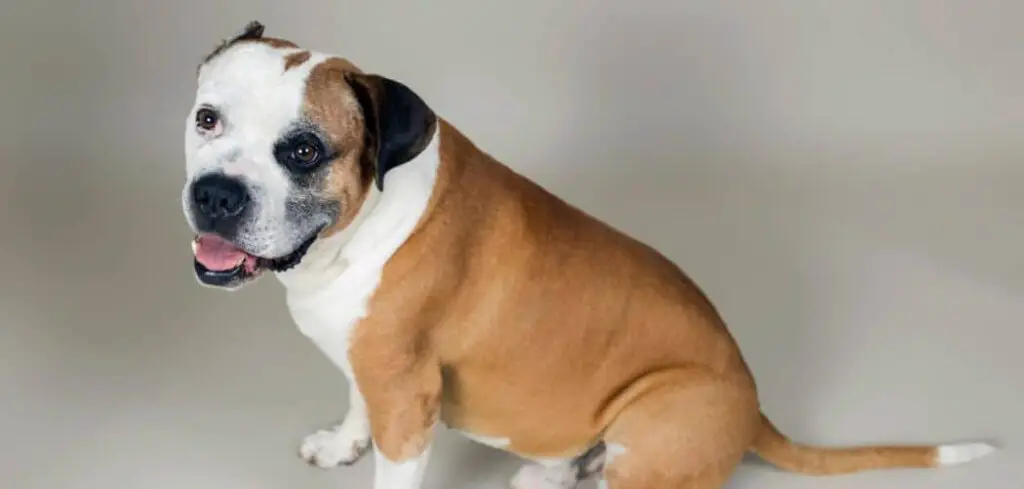
Dog Diarrhea and Smelly Gas
Gas in dogs is the presence of air or gas in the stomach or intestines of a dog which is then expelled from the anus. It is a normal bodily function, as dogs and other animals produce gas as a by-product of digestion of food.
However, excessive gas or flatulence can be a sign of an underlying problem that can be caused by a variety of factors such as diet or intestinal issues.
Additionally, if a dog is experiencing diarrhea and is not able to properly digest their food, this can also lead to the production of smelly gas or gas with a bad smell.
Dog diarrhea is the passing of loose, watery stools, several times a day. Diarrhea is a symptom of different diseases or conditions.
The severity of diarrhea can be severe or mild depending on the underlying cause.
Occasional episodes of diarrhea in dogs is common and normal, however, frequent diarrhea as well as other concerning symptoms can be a sign of a serious underlying problem.
When the intestinal tract is not working properly, it can lead to the buildup of gas and an overgrowth of bacteria, which can produce an unpleasant odor.
Other symptoms that may accompany diarrhea and smelly gas in dogs include:
- Loss of appetite
- Drooling
- Vomiting
- Dry heaving or retching
- Abdominal pain
- Lethargy
- Dehydration
- Weight loss if it is chronic diarrhea
- Fever or hypothermia
Is it normal for dogs to have diarrhea and smelly gas?
It is normal for dogs to experience occasional episodes of diarrhea and gas, however, if diarrhea and smelly gas become chronic or are accompanied by other symptoms such as vomiting, loss of appetite, or abdominal pain, it may indicate an underlying health problem.
Some dogs have a more sensitive bad gastrointestinal system and may be more prone to stomach upset and diarrhea. In these cases, it’s important to pay attention to their diet and environment and make adjustments as needed.
Causes of Dog Diarrhea and smelly gas
Diet
A change in diet, eating spoiled or unfamiliar food, or consuming table scraps can all cause an upset stomach and diarrhea, and smelly gas in dogs.
It is therefore important to feed your dog a balanced and nutritious diet and to make any diet changes gradually. Also, make sure to keep their food fresh and stored properly to avoid spoilage.
Intestinal parasites
Parasites such as roundworms, hookworms, and Giardia can cause diarrhea and smelly gas in dogs. These parasites can infect a dog’s intestinal tract and cause inflammation, which can lead to diarrhea and gas including other symptoms.
Bad gastrointestinal infections can be contracted through contact with infected feces, or through contaminated food or water.
Bacterial or viral infections
Dogs can become infected by bacteria or viruses such as salmonella or parvovirus, which cause inflammation in the intestinal tract which leads to diarrhea and smelly gas.
Ingestion of toxins
Poisoning can cause dog diarrhea and smelly gas. Depending on the type and amount of toxin ingested, a dog can experience a range of bad gastrointestinal symptoms, including diarrhea, vomiting, abdominal pain, and gas.
Some common toxins that can cause bad gastrointestinal symptoms in dogs include household products such as cleaning products, insecticides, and certain types of plants, food poisoning from eating spoiled or contaminated food, and accidental ingestion of human medications.
Underlying illness
Health conditions can result in diarrhea and smelly gas as symptoms. Certain bad gastrointestinal conditions such as inflammatory bowel disease or exocrine pancreatic insufficiency can cause diarrhea and smelly gas in dogs.
These conditions can cause chronic inflammation in the intestinal tract, which leads to diarrhea and smelly gas as symptoms.
Certain types of cancer, such as lymphoma or stomach cancer, can also cause diarrhea and gas in dogs.
Allergies
Food or environmental allergies can cause diarrhea and smelly gas in dogs. Allergies can cause inflammation in the intestinal tract and lead to diarrhea and smelly gas.
Common food allergens include beef, dairy, wheat, and chicken. Environmental allergens include pollen, mold, and dust.
Stress
Dogs can develop diarrhea and smelly gas due to stress caused by different triggers such as separation anxiety, and changes in their environment or routine.
Stress can cause changes in a dog’s gut bacteria, which can lead to stomach upset and diarrhea. Examples of stressors include moving to a new home, adding a new pet to the household, or changes in the owner’s schedule.
Medication side effects
Some medications, such as antibiotics, can cause diarrhea and smelly gas in dogs as a side effect.
Common medications that can cause bad gastrointestinal symptoms in dogs include antibiotics, Nonsteroidal anti-inflammatory drugs (NSAIDs), and chemotherapy drugs.
Puppy Diarrhea and Smelly Farts
Puppies with diarrhea and foul-smelling gas often have digestive irritation caused by diet changes, overeating, intestinal parasites, food intolerance, or bacterial imbalance in the gut.
Puppies have sensitive digestive systems, and sudden changes in food or eating inappropriate items can quickly upset the intestines and increase gas production.
The diarrhea may range from soft stool to watery bowel movements, while the gas may smell unusually strong because food is not being digested properly.
Because puppies are vulnerable to dehydration, persistent diarrhea should be monitored carefully.
If a puppy also vomits, becomes lethargic, loses appetite, or has blood in the stool, veterinary care is important to rule out infection, parasites, or more serious digestive disease.
What To Do
When your dog has diarrhea and smelly gas with no blood in the stool, the first action is to monitor them at home.
Withhold feeding them for 24 hours to allow their stomach to rest. However, make sure they have access to plenty of clean water to avoid dehydration.
Feed them a bland diet after this fasting period, which consists of boiled chicken and rice. This will help their digestive system to recover and reduce smelly gas and diarrhea.
However, if diarrhea and smelly gas persist and worsen, seek medical attention within 8 -12 hours after the onset of diarrhea.
When to Call or Visit Your Vet
Consult your veterinarian if your dog’s diarrhea and smelly gas persist or worsen, or if they are accompanied by other symptoms such as:
- Dehydration
- Lethargy
- Loss of appetite
- Vomiting
- Blood in the stool
- Pain, discomfort, or distress
Your veterinarian will be able to properly diagnose the cause of your dog’s diarrhea and gas and provide the appropriate treatment.
Dog Diarrhea and Smelly Gas: Treatment
Veterinary treatment for diarrhea combined with smelly gas focuses on identifying and correcting the underlying cause of digestive upset.
The veterinarian will typically start with a physical examination and may recommend stool tests to check for parasites, bacterial infections, or protozoal organisms.
Bloodwork may also be done to assess dehydration, inflammation, organ function, or signs of systemic illness. In more persistent or severe cases, imaging such as X-rays or ultrasound may be used to rule out gastrointestinal disease or obstruction.
Treatment often includes supportive care to stabilize the digestive system. This may involve fluid therapy if dehydration is present, especially in cases of frequent diarrhea.
Medications such as dewormers, antibiotics, or anti-protozoal drugs may be prescribed depending on the cause.
Probiotics are commonly used to help restore healthy gut bacteria and reduce excessive gas production, while anti-inflammatory medications may be used if intestinal irritation or colitis is suspected.
Diet management is a key part of treatment. Veterinarians often recommend a bland, easily digestible diet or a prescription gastrointestinal food to reduce fermentation in the gut and minimize gas and loose stool. Feeding smaller, more frequent meals can also help stabilize digestion.
If the condition is chronic or recurring, further testing may be needed to evaluate food intolerance, inflammatory bowel disease, or pancreatic disorders.
Early veterinary intervention is important because ongoing diarrhea and gas can lead to dehydration, nutrient loss, and worsening intestinal imbalance if not properly treated.
Key Takeaway
Dog diarrhea and smelly gas can be caused by a variety of factors and underlying health issues.
While occasional episodes of diarrhea and smelly gas are common, it is important to seek veterinary attention if symptoms persist or are accompanied by other concerning symptoms such as vomiting, loss of appetite, dehydration, blood in the stool, weakness, or signs of pain, discomfort, or distress.
Interested in learning more about dog diarrhea and how to take proactive steps to manage it? Our comprehensive guide on dog diarrhea offers a wealth of information, including causes, treatment options at home, preventive measures, and more. Don’t miss out— explore the complete guide.


