
Sudden drooling or foaming at the mouth in an old dog can be concerning, especially when these symptoms develop unexpectedly.
While some drooling can be normal for certain dogs, excessive saliva or foam around the mouth can indicate that your dog is uncomfortable or unwell.
The appearance of the saliva, how suddenly it started, and whether a dog has other symptoms can provide important clues.
A senior dog that is suddenly drooling heavily or producing foam should be watched closely because some causes require immediate veterinary attention.
Table of Contents
Old Dog Drooling and Foaming at Mouth: Why It Happens
A dog may drool and foam at the mouth because of dental or oral discomfort, nausea, difficulty swallowing, anxiety, something irritating the mouth, medication effects, or an underlying illness.
Foamy saliva can occur when excessive saliva mixes with air, particularly when a dog is panting or repeatedly licking its lips.
In an older dog, a new change in drooling deserves attention because dental disease and other health problems become more common with age.
The situation is more concerning when drooling is accompanied by vomiting, weakness, difficulty breathing, abnormal behavior, or difficulty swallowing.
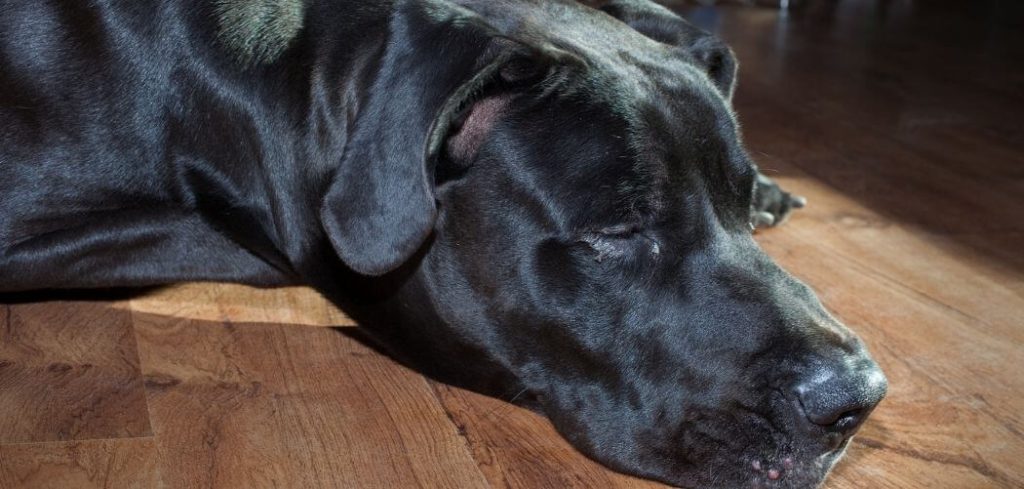
Old Dog Drooling and Foaming at the Mouth: Symptoms
Depending on the underlying problem, other symptoms may occur at the same time, including:
Excessive saliva or drooling
White or bubbly foam around the mouth
Repeated lip licking
Frequent swallowing
Bad breath
Pawing at the mouth
Reduced appetite
Vomiting or gagging
Old Dog Drooling and Foaming at the Mouth: Common Causes
Dental Disease
Dental disease is a common reason an older dog may drool more than usual. Inflamed gums, damaged teeth, periodontal disease, or oral infections can make the mouth painful and increase saliva production.
A dog may have bad breath, difficulty chewing, dropping food, pawing at the mouth, or reluctance to eat.
Some dental problems are hidden below the gumline, so a normal-looking mouth at home does not necessarily rule out significant dental disease.
Related: White foamy phlegm in dogs (Why it happens)
Something Irritating the Mouth
A piece of food, plant material, foreign object, or another irritant can cause sudden drooling and foaming.
Dogs may produce large amounts of saliva in response to something unpleasant in their mouths.
Your dog may repeatedly lick its lips, paw at its mouth, chew strangely, or refuse food.
Do not put your fingers deep into an unfamiliar dog’s mouth or attempt to pull out an object that appears lodged. A veterinarian should assess anything that cannot be safely removed.
Nausea or Stomach Upset
Nausea can cause excessive salivation, lip licking, repeated swallowing, and foamy saliva. Some dogs drool before vomiting or while experiencing gastrointestinal discomfort.
Vomiting, diarrhea, reduced appetite, grass eating, restlessness, or abdominal discomfort may occur at the same time.
If drooling continues or your dog is repeatedly vomiting, veterinary evaluation is important, especially in a senior dog.
Related: Dog vomiting yellow foamy liquid (Causes and when to worry)
Difficulty Swallowing
Problems affecting the mouth, throat, esophagus, or nervous system can make swallowing difficult. When saliva cannot be swallowed normally, it may accumulate around the mouth and appear foamy.
A dog with swallowing difficulty may gag, cough while eating or drinking, repeatedly extend its neck, or allow food or water to fall from the mouth.
Difficulty swallowing can become serious because of the risk of aspiration and should be evaluated promptly.
Anxiety, Stress, or Motion Sickness
Some dogs drool heavily when anxious, frightened, or experiencing motion sickness. Panting and rapid breathing can cause saliva to become bubbly or foamy around the lips.
The dog may also pace, tremble, whine, hide, or appear restless.
If drooling consistently occurs during stressful situations and disappears when your dog settles, anxiety may contribute. However, a new or unusually severe episode should not automatically be attributed to stress.
Medication Effects
Certain medications can cause nausea, changes in saliva production, or unusual mouth movements. Some dogs may also drool because a medication tastes unpleasant.
If the drooling started after a new medication, supplement, or treatment, contact your veterinarian and explain exactly what your dog received.
Do not stop prescribed medication without veterinary advice unless you are specifically instructed to do so.
Oral Masses or Other Mouth Problems
Older dogs can develop growths or masses in the mouth. These may interfere with chewing or swallowing and can sometimes cause increased drooling.
You may notice bad breath, bleeding from the mouth, difficulty eating, facial swelling, or a visible lump.
Any new mass, persistent mouth bleeding, or unexplained drooling in an older dog should be examined by a veterinarian.
Toxin Exposure or Serious Illness
Some toxic substances can cause excessive drooling, foaming, vomiting, weakness, tremors, abnormal behavior, or other serious symptoms.
If you suspect your dog has eaten or contacted something potentially toxic, do not wait for additional symptoms to appear. Contact a veterinarian or emergency veterinary service promptly.
Other serious conditions can also cause sudden drooling and abnormal mouth movements, particularly when neurological or swallowing problems are involved.
Related: Dog seizing and foaming at the mouth (Causes and what to do)
Old Dog Drooling and Foaming at Mouth: What to Do
Keep your old dog in a quiet, safe area and observe the behavior closely.
Note whether the drooling is continuous or occurs in episodes and whether the foam is simply bubbly saliva or accompanied by vomiting, gagging, or other discharge.
If your dog allows it, look at the front of the mouth for obvious food material, swelling, bleeding, or another visible problem.
Do not force the mouth open or put your fingers inside if your dog is painful, frightened, or behaving abnormally.
Provide access to fresh water, but do not force your dog to drink.
If swallowing appears difficult, do not try to make your dog eat or drink until a veterinarian has assessed the problem.
Remove access to plants, chemicals, medications, foods, and other substances that your dog could potentially ingest.
If you suspect exposure to something harmful, keep the packaging or product information available for the veterinarian.
Record a short video if the drooling or foaming occurs in episodes. A video showing the behavior can be helpful when the episode has stopped before your appointment.
Monitor appetite, drinking, vomiting, bowel movements, breathing, energy level, and behavior.
These details can help identify whether the drooling is occurring alongside another problem.
Do not give human medications or attempt to induce vomiting unless a veterinarian specifically instructs you to do so.
When to Call or Visit the Vet
Occasional drooling can be normal for some dogs, but sudden or excessive drooling in an older dog should be taken seriously, particularly if it is a new symptom.
Schedule an appointment if you notice:
Persistent excessive drooling
Recurring foaming at the mouth
Bad breath
Difficulty chewing
Reduced appetite
Repeated lip licking or swallowing
Pawing at the mouth
Mouth swelling
unexplained weight loss
Recurring vomiting
Seek emergency veterinary attention immediately if your dog develops:
Difficulty breathing
Difficulty swallowing
Collapse
Seizures
Severe weakness
Repeated vomiting
Severe tremors
Sudden abnormal behavior
Facial or throat swelling
Suspected toxin exposure
Inability to stand or walk
Old Dog Drooling and Foaming at Mouth: Treatment
Veterinary treatment for an old dog that is drooling and foaming at the mouth starts with a thorough examination of the mouth, teeth, throat, abdomen, neurological function, and overall health.
The veterinarian may recommend a dental examination, blood tests, X-rays, ultrasound, or other diagnostic testing when appropriate to identify problems that are not obvious externally.
Treatment may include dental treatment, prescription medication for nausea or pain, removal of a foreign object, treatment for infection, supportive care, or other targeted therapy based on the underlying cause.
Key Takeaway
An old dog drooling and foaming at the mouth may have dental disease, mouth irritation, nausea, difficulty swallowing, anxiety, medication effects, an oral problem, or another underlying illness.
Foamy saliva does not by itself identify the cause, so the surrounding symptoms and behavior are important.
Keep your dog calm, provide access to fresh water, and observe the mouth and other symptoms without forcing an examination.
Do not give human medications or attempt to induce vomiting unless directed by a veterinarian.
If the drooling is persistent, recurring, or accompanied by difficulty swallowing, vomiting, weakness, abnormal behavior, breathing problems, or suspected toxin exposure, seek veterinary care promptly.
A veterinary examination can help identify the cause and get your senior dog the appropriate treatment.