
Seeing white foamy phlegm coming from your dog—whether they cough it up, spit it out, or vomit it—can be alarming and confusing.
We outline the common causes of white foamy phlegm in dogs, what you can do at home, and when to seek veterinary care.
Table of Contents
White Foamy Phlegm in Dogs: Why It Happens
White foamy phlegm in dogs may be caused by coughing fits, acid reflux, kennel cough, stomach irritation, infections, allergies, or early signs of a more serious health issue.
The foam forms when mucus mixes with air, saliva, stomach acid, or irritation in the respiratory or digestive system.
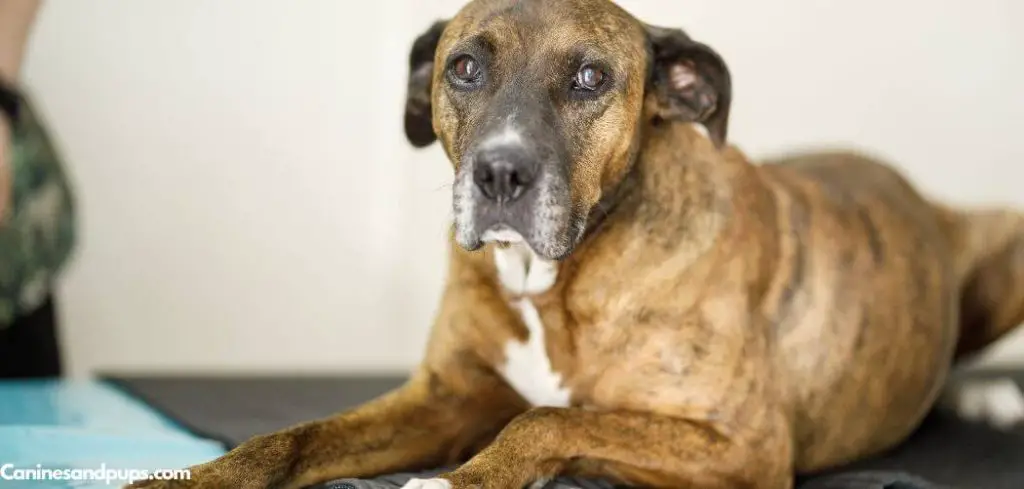
Dog Vomiting White Foam but Acting Normal
A dog vomiting white foam while otherwise acting normal may have mild stomach irritation, acid buildup from an empty stomach, or temporary digestive upset.
White foam is often a mixture of saliva and stomach fluids, and some dogs may vomit it after going too long without eating, eating grass, or experiencing mild nausea. In these cases, the dog may still eat, drink, and behave normally afterward.
However, repeated vomiting should not be ignored, even if the dog seems fine. Persistent white foam vomiting can sometimes be an early sign of gastritis, pancreatitis, intestinal irritation, or another underlying digestive problem.
Monitoring for worsening symptoms such as lethargy, diarrhea, or appetite loss is important.
White Foamy Phlegm in Dogs: Common Causes
Kennel Cough
One of the most common causes of white foamy phlegm in dogs is kennel cough or irritation in the upper airways. When the trachea becomes inflamed, dogs cough repeatedly, and the force of coughing triggers the release of mucus from the throat.
As the dog coughs harder, the mucus gets aerated and turns into a white, bubbly foam that may dribble from the mouth or be spit out at the end of the cough.
Dogs with kennel cough often produce a dry, honking cough that becomes so intense they gag or retch afterward.
The phlegm is usually not from the stomach but from the throat, where inflammation causes an overproduction of mucus.
Exposure to grooming facilities, kennels, dog parks, or daycare makes this cause more likely. Even vaccinated dogs can develop milder forms of kennel cough because multiple pathogens can cause it.
Read more: Dog Vomiting White Foamy Mucus and Blood (Here’s why)
Acid Reflux
Acid reflux can cause dogs to bring up white foamy phlegm when stomach acid splashes backward into the esophagus. This acid irritates the throat and triggers gagging or coughing.
The irritation causes the salivary glands and mucus membranes to release thick mucus, which becomes foamy when the dog retches or hacks.
Dogs with reflux may swallow hard, lick their lips frequently, or gulp repeatedly as the acid burns the esophagus.
The foamy phlegm often appears early in the morning or late at night when the stomach is empty.
In more severe reflux cases, dogs may seem nauseated, pace, or refuse food temporarily.
Because reflux irritates both the throat and the stomach, the symptoms may come and go in waves.
Stomach Upset or Bile-Induced Vomiting
When a dog has an irritated stomach or has gone too long without eating, mucus mixes with stomach acid and bile. This mixture becomes white and foamy as it is expelled.
Though this appears as phlegm, it actually originates from the stomach rather than the respiratory system.
Dogs vomiting white foamy phlegm may also lick their lips, drool excessively, or eat grass before vomiting.
The foam indicates that the stomach is empty or inflamed, which causes the body to try repeatedly to expel whatever irritation is present.
If stomach upset continues, dogs may vomit more frequently and produce thicker white mucus as retching irritates the stomach lining.
Allergies
Environmental allergies from pollen, dust, mold, or smoke can cause post-nasal drip that irritates a dog’s throat.
Excess mucus drains into the throat and mixes with saliva. When the dog coughs, gags, or swallows rapidly to clear the throat, the mucus becomes foamy and may be expelled as white phlegm.
Some dogs also sneeze, reverse sneeze, or paw at their face during allergy flare-ups.
Because the drainage thickens after lying down or sleeping, white foamy phlegm is often seen in the morning.
Chronic allergies create ongoing inflammation, making the production of foamy mucus more frequent.
Bronchitis or Lower Airway Issues
Bronchitis—especially chronic bronchitis—can cause dogs to cough up white foamy mucus when the lower airways produce excess thick secretions.
The coughing fits are usually deep and productive, and after several coughs, the dog may spit up foamy phlegm that has risen from the bronchial tubes.
This cause is more common in older dogs, overweight dogs, and small breeds.
As inflammation sets in, the airways tighten, making the cough louder and more forceful.
When the dog coughs hard enough, mucus froths as it mixes with air, creating the white foamy texture.
Chronic bronchitis may worsen in cold weather, dusty environments, or during excitement.
Heart Disease (Severe Cases)
In later stages of heart disease, fluid may accumulate in or around the lungs, causing coughing fits that produce foamy mucus.
While this is not the most common cause of white phlegm, it is one of the more serious possibilities.
The foam occurs because the lungs cannot properly clear fluid, and coughing forces the mixture upward into the throat.
Dogs with heart-related phlegm may:
• Breathe fast.
• Cough at night.
• Tire easily.
• Show a soft, wet cough.
• Exhibit restlessness or pacing.
This cause tends to appear in senior dogs or dogs with known heart murmurs.
Respiratory Infection
Viral or bacterial infections affecting the respiratory tract can lead to thick, foamy phlegm being expelled as the body tries to fight the infection.
As inflammation spreads through the throat, trachea, or bronchial tubes, mucus production increases dramatically.
Dogs may cough, sneeze, gag, or wheeze as they attempt to clear the airways.
Infections often cause dogs to feel tired, produce nasal discharge, or develop a low-grade fever.
The white foam indicates that the dog has been coughing hard enough to aerate the mucus.
Overexertion or Heat-Related Distress
Some dogs produce foamy saliva and phlegm when they are overheated or have been panting excessively.
The rapid breathing pulls air into the saliva, creating a white, bubbly foam that drips from the mouth and resembles phlegm.
This is common after intense exercise, hot weather, or stress.
While not dangerous by itself, excessive panting with foam can indicate heat stress, which must be addressed quickly.
Read more: Dog Vomiting White Foamy Mucus and Diarrhea (Explained)
Dog Vomiting White Foam Multiple Times
Repeated vomiting of white foam usually indicates ongoing irritation or dysfunction in the stomach or digestive tract.
Common causes include gastritis, dietary indiscretion, acid reflux, pancreatitis, intestinal blockage, infections, or toxin exposure.
Vomiting multiple times can quickly lead to dehydration and weakness, especially in puppies, small dogs, and senior dogs.
If the vomiting continues throughout the day or is accompanied by diarrhea, bloating, pain, lethargy, or refusal to eat, veterinary evaluation is important.
Frequent vomiting is more concerning than a single isolated episode and may indicate a more serious condition.
White Foamy Phlegm in Dogs: What to Do
Start by observing whether the foamy phlegm came from coughing, gagging, or vomiting. This helps determine whether the issue is respiratory or digestive.
If the foam came after coughing, keep your dog calm and avoid exercise, cold air, or irritants like perfumes or dust. Offer fresh water and monitor for breathing changes.
If it came from vomiting, give your dog a short fasting period of several hours to allow the stomach to settle. Offer small amounts of water or ice chips to maintain hydration. After resting the stomach, gradually offer a bland diet until symptoms improve.
Monitor your dog for additional signs like lethargy, diarrhea, loss of appetite, or persistent coughing.
Avoid giving human medications or random home remedies.
Keep your dog indoors and away from potential environmental triggers until the symptoms improve.
If your dog’s phlegm continues, worsens, or occurs alongside additional symptoms, a veterinary exam is necessary.
When to Call or Visit Your Vet
Contact your veterinarian immediately if your dog:
• Produces white foamy phlegm more than once.
• Has a persistent cough.
• Seems lethargic or weak.
• Has nasal discharge or noisy breathing.
• Vomits repeatedly.
• Refuses food or water.
• Shows signs of pain or discomfort.
• Has difficulty swallowing or breathing.
• Has been exposed to kennel cough.
• Has a known heart condition.
• Is a puppy, a senior dog, or has a chronic illness.
Seek emergency care if:
• Your dog cannot breathe comfortably.
• The foam becomes pink or bloody.
• Your dog collapses or appears disoriented.
• The abdomen becomes swollen or painful.
• There are signs of toxin ingestion.
Foamy phlegm can indicate anything from mild irritation to a serious health emergency.
Read more: Dog Constantly Being Sick (Chronic vomiting causes)
White Foamy Phlegm in Dogs: Treatment
Veterinary treatment for white foamy vomit or phlegm depends on the underlying cause.
The veterinarian may perform blood tests, X-rays, ultrasound, or other diagnostics to check for infections, gastrointestinal disease, respiratory illness, poisoning, or obstruction.
Treatment often includes anti-nausea medication, fluids for dehydration, and medications to reduce stomach acid or inflammation.
If the foam is related to respiratory disease or coughing rather than stomach vomiting, treatment may involve antibiotics, cough suppressants, or airway support.
Severe cases such as bloat, poisoning, or obstruction may require emergency hospitalization or surgery. Early diagnosis is important because repeated white foam vomiting can sometimes signal a serious medical emergency.
Dog Vomiting White Foam and Died
In severe cases, vomiting white foam can occur shortly before death, especially when linked to serious illnesses such as poisoning, bloat, organ failure, severe infection, heart disease, or advanced gastrointestinal emergencies.
The white foam itself is not usually the direct cause of death, but rather a symptom of a dangerous underlying condition.
Dogs that suddenly collapse, struggle to breathe, become extremely weak, or repeatedly vomit foam alongside other severe symptoms require emergency veterinary care immediately.
Rapid progression from vomiting to life-threatening decline is possible in some emergencies, especially if treatment is delayed.
Key Takeaway
White foamy phlegm in dogs can come from the stomach, throat, or airways—and while some causes are mild, persistent symptoms always deserve attention.
Whether triggered by reflux, coughing, allergies, infections, or stomach upset, identifying the underlying cause is essential for keeping your dog safe and comfortable. With timely care and veterinary support, most dogs recover quickly.