
Losing an old dog is one of the most painful experiences a pet owner can go through. Whether it was expected or sudden, the absence can feel overwhelming, leaving behind questions, grief, and a deep sense of loss.
Table of Contents
Old Dog Died: Why It Happens
When an old dog dies, it is most often due to natural aging, chronic illness, or age-related organ decline rather than a single sudden cause.
As dogs grow older, their bodies gradually weaken, and conditions such as heart disease, cancer, kidney failure, or neurological decline can reach a point where the body can no longer sustain itself.
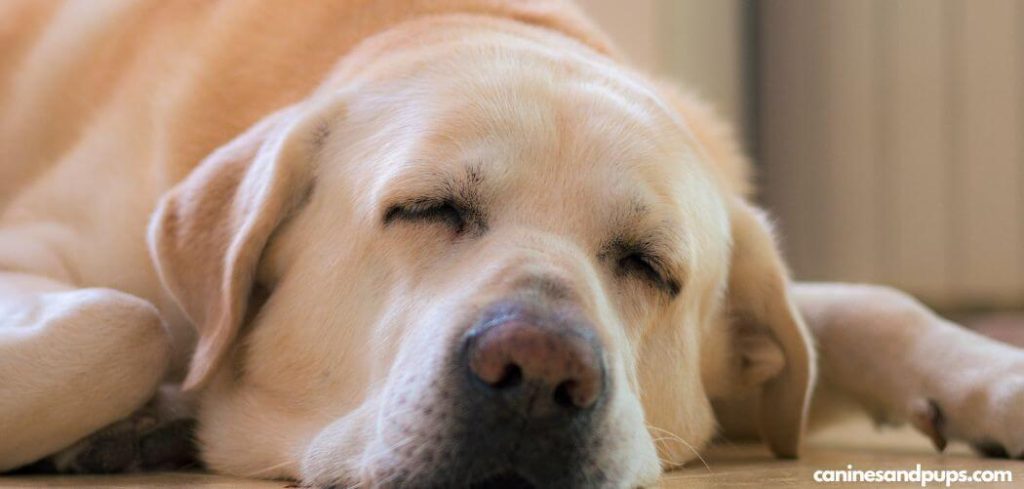
In many cases, passing is peaceful and happens during rest, even if it feels sudden to the owner.
Signs an Old Dog May Be Near the End of Life
Even when a dog’s passing feels sudden, there are often subtle signs in the days or weeks beforehand:
Sleeping more than usual
Loss of appetite or drinking less
Weight loss
Reduced mobility or weakness
Changes in breathing patterns
Withdrawal or less interaction
Confusion or restlessness
Difficulty getting comfortable
Read more: Old Dog Behavior Before Death (What to expect)
Common Causes of Death in Old Dogs
Natural Aging and Organ Failure
As dogs age, their organs slowly lose function. The heart, kidneys, liver, and lungs may all become less efficient over time.
Eventually, the body may reach a point where it can no longer maintain essential functions. This often leads to a gradual shutdown that can occur quietly, sometimes during sleep.
Read more: Old Dog Died In Sleep (Was it peaceful?)
Cancer
Cancer is one of the leading causes of death in senior dogs. Some forms progress slowly, while others remain hidden until they reach an advanced stage.
Depending on the type, cancer can affect appetite, energy levels, and overall health. In many cases, the disease progresses to a point where the body can no longer cope.
Heart Disease
Heart conditions are common in older dogs and can lead to either a gradual decline or sudden events. Issues such as congestive heart failure or irregular heart rhythms can impact circulation and oxygen delivery.
When the heart can no longer function effectively, it can result in a peaceful passing or, in some cases, a sudden collapse.
Kidney or Liver Disease
Chronic kidney or liver disease can significantly affect a dog’s overall health. These organs are essential for filtering toxins and maintaining balance in the body.
As these conditions progress, dogs may experience weakness, appetite changes, and dehydration, eventually leading to organ failure.
Neurological Conditions
Cognitive decline or neurological diseases can affect behavior, coordination, and awareness. In advanced stages, these conditions can impact basic functions.
While not always the direct cause of death, they often contribute to a decline in quality of life and overall health.
Internal Bleeding or Sudden Events
Some conditions, such as ruptured tumors or internal injuries, can cause sudden death in older dogs. These events may occur without clear warning signs.
While shocking, they are often quick and do not involve prolonged suffering.
Read more: Old Dog Died Suddenly After Vomiting (What it could mean)
Understanding a Peaceful Passing
Many dogs pass away quietly, especially if they are resting or sleeping. The body simply slows down and eventually stops functioning.
In these cases, there may be no signs of distress. This can provide some comfort, knowing that your dog likely did not experience prolonged discomfort.
Even when the timing feels sudden, it is often the result of a longer internal process.
Veterinary Support
Talk to your veterinarian. They can provide support and guidance as well as explain possible causes of death based on your dog’s history.
If you want more clarity, you can discuss the option of a post-mortem examination, although this is entirely your choice.
If your dog showed unusual symptoms before passing, sharing those details can help provide reassurance and understanding.
Allow yourself to grieve. There is no right way to respond, and your emotions are valid.
Coping With the Loss
Grief after losing a dog can be intense and deeply personal. Your dog was part of your daily life, and their absence can leave a significant void.
Some people find comfort in creating a memorial, keeping photos, or writing about their pet. Others prefer quiet reflection.
There is no timeline for healing. Allow yourself to process your emotions at your own pace.
Caring for Other Pets in the Home
Other pets may notice the absence of their companion. They may seem quieter, search for your dog, or show changes in behavior.
Maintaining routine, offering reassurance, and providing extra attention can help them adjust. Some pets benefit from being allowed to see or sniff their companion after passing, as it can help them understand the change.
Frequently Asked Questions
Why did my old dog die suddenly?
Sudden death in senior dogs often results from heart disease, internal bleeding, or stroke. These events can occur without warning.
Could I have prevented it?
In most cases, no. Aging and hidden conditions progress despite loving care.
Should I request a necropsy?
If closure is important to you, your veterinarian can discuss this option. It’s a personal choice.
How long does grief last?
Grief has no timeline. It changes over time but doesn’t disappear entirely.
Is it normal to feel guilt?
Yes. Guilt is common, even when there was nothing you could have done differently.
Key Takeaway
When your old dog dies, it marks the end of a physical presence — but not the end of love.
They walked beside you through seasons of life, offering loyalty without condition.
Though their body has rested, their impact remains — in habits, memories, and quiet moments when you swear you still hear their paws.
Grief is the price of deep love. And if your heart aches, it simply means your bond was extraordinary.
You gave your dog a life filled with care and devotion. That is what defines their story — not the final day.


