
Losing an old dog in their sleep can feel both heartbreaking and confusing, especially if there were no obvious warning signs beforehand. Many owners are left wondering what happened and whether their dog suffered.
Table of Contents
Old Dog Died In Sleep: Why It Happened
An old dog dying in their sleep is often due to natural age-related decline, heart conditions, or an underlying illness that progresses quietly without obvious symptoms.
As dogs age, their organs gradually weaken, and conditions like heart disease, internal organ failure, or cancer can reach a point where the body can no longer sustain itself.
In many cases, passing during sleep is considered a peaceful way to go, as the body simply shuts down without distress or struggle.
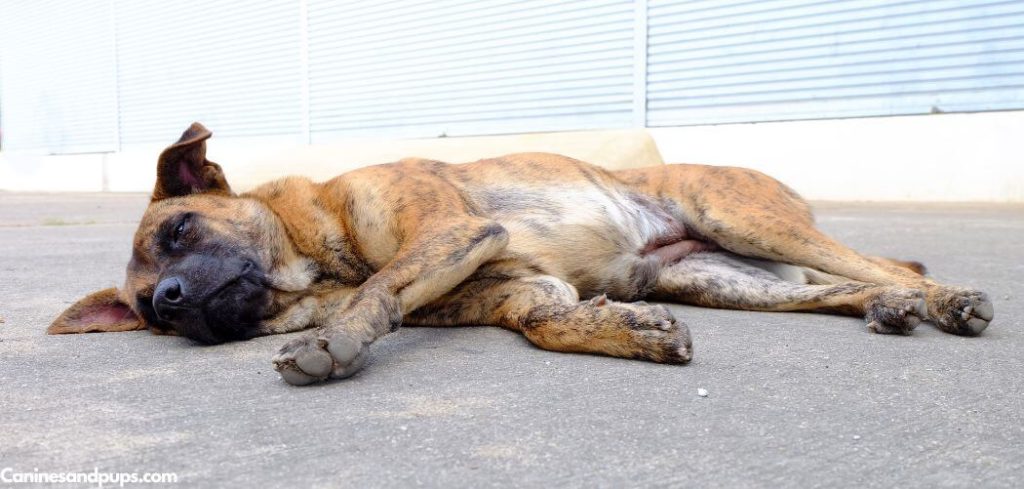
Is It Common for Senior Dogs to Die Overnight?
Yes, it is relatively common for senior dogs to die overnight, especially if they are living with age-related illnesses or declining body function.
As dogs grow older, conditions such as heart disease, kidney failure, cancer, or severe arthritis can weaken the body gradually.
Sometimes a dog may seem stable during the day but pass away quietly during sleep when the body can no longer keep functioning.
In other cases, there may be subtle warning signs beforehand, including increased sleeping, weakness, confusion, reduced appetite, breathing changes, or loss of interest in normal activities.
Old Dog Died In Sleep: Possible Signs Before Passing
Sometimes, there are subtle signs leading up to an old dog passing away, even if they are easy to miss:
Increased sleeping or withdrawal
Reduced appetite or interest in food
Slower movement or weakness
Changes in breathing patterns
Occasional confusion or restlessness
Less interest in surroundings or interaction
Gradual weight loss
Read more: Old Dog Behavior Before Death (What to expect)
Common Causes of Death in Older Dogs During Sleep
Natural Aging and Organ Failure
As dogs reach advanced age, their organs—such as the heart, kidneys, and liver—gradually lose efficiency. Eventually, these systems may fail without a dramatic event.
In many cases, this happens quietly. The body slows down over time until it can no longer maintain essential functions, leading to a peaceful passing during sleep.
Heart Disease
Heart conditions are a common cause of sudden death in older dogs. Issues such as arrhythmias or congestive heart failure can progress silently and then lead to the heart stopping unexpectedly.
Because the heart controls circulation, when it fails, the body quickly shuts down. This can happen without visible distress, especially if it occurs during rest.
Internal Bleeding
Conditions like tumors or ruptured masses can cause internal bleeding. In older dogs, certain cancers—especially those affecting organs like the spleen—may not show clear symptoms until a sudden event occurs.
If bleeding happens during rest, a dog may pass away quietly without outward signs of struggle.
Cancer
Cancer is one of the leading causes of death in senior dogs. Some forms grow slowly and remain unnoticed until they reach an advanced stage.
When the disease progresses to a critical point, the body may no longer cope, resulting in a sudden passing that may occur during sleep.
Respiratory Failure
Lung disease or fluid buildup can interfere with oxygen exchange. In advanced stages, this can lead to respiratory failure.
If breathing becomes insufficient during sleep, the dog may pass peacefully without waking or showing obvious distress.
Neurological Events
Events such as strokes or seizures can occur suddenly, especially in older dogs. Some of these events may happen during sleep and go unnoticed.
Depending on severity, they can lead to rapid loss of consciousness and death.
Read more: Old Dog Seizures (Causes explained)
Can an Old Dog Die Peacefully in Their Sleep?
Yes, some old dogs do die peacefully in their sleep. In many cases, the body slowly shuts down as the dog becomes weaker and more tired over time. A peaceful passing may look like a dog simply falling asleep and not waking up again.
This can happen naturally in very elderly dogs or dogs with chronic illness. However, not every dog passes completely without discomfort, which is why monitoring the quality of life and speaking with a veterinarian during the final stages is important.
Signs of a peaceful passing often include calm breathing, relaxed muscles, and no visible distress.
What Happens When an Old Dog Dies Naturally?
When an old dog dies naturally, the body gradually begins shutting down over hours or days. Many dogs become extremely tired, sleep more, eat less, and lose interest in their surroundings.
Breathing may become slower or irregular, and the dog may appear weak or disoriented. Near the very end, the heart stops beating, and breathing ceases completely.
After death, the muscles relax, the eyes may remain partially open, and the body slowly becomes stiff over the next few hours.
Every dog’s passing is different, but these changes are common during natural death.
What To Do After Your Dog Dies at Home
If your old dog has died in their sleep, the first step is to take a moment and confirm that they have passed by checking for breathing or a heartbeat. This can be an emotional moment, so it’s okay to pause and process.
If you are unsure, contact your veterinarian immediately for guidance. They can help confirm what has happened and advise you on next steps.
You may choose to gently move your dog to a comfortable, respectful position and keep them in a cool area while you decide on aftercare arrangements. Some owners prefer to contact their vet or a pet aftercare service right away.
Allow yourself time to grieve. Losing a dog is deeply personal, and your reaction—whatever it is—is valid.
When To Call a Veterinarian
Even if your dog has already passed, contacting your veterinarian is still important. They can help confirm the cause of death if needed and guide you through options such as cremation or burial.
If your dog showed unusual symptoms before passing, sharing this information with your vet can provide clarity and reassurance.
If you have other pets, your vet can also advise on helping them adjust, as animals can sense loss and may react to it.
Burial vs Cremation for Dogs
After a dog passes away, many owners choose either burial or cremation depending on personal beliefs, local laws, and emotional preference.
Burial allows owners to create a physical resting place, often at home if legally permitted or in a pet cemetery.
Cremation is another common option and may include private cremation, where the ashes are returned to the owner, or communal cremation.
Some families keep the ashes in an urn, scatter them in a meaningful place, or create memorial items.
There is no right or wrong choice — the best option is the one that feels most comforting and respectful for your dog and family.
Coping With the Loss of an Old Dog
Losing an old dog can feel heartbreaking because dogs become deeply connected to daily life and emotional routines.
Grief after losing a pet is normal and may include sadness, guilt, loneliness, or even shock, especially if the death happened suddenly overnight.
Many people find comfort in talking about their dog, creating a memorial, looking through photos, or allowing themselves time to grieve fully.
Remembering the love, care, and companionship shared over the years can help bring peace during the healing process.
When an old dog dies in their sleep, it is often a peaceful and natural passing linked to aging or underlying health conditions. While the suddenness can be shocking, it usually means your dog did not experience prolonged distress.
Focus on the life your dog lived and the care you provided. Their comfort, safety, and love throughout their life matter far more than the final moments.
Grieving takes time, but understanding that your dog likely passed peacefully can bring a small sense of comfort during a difficult moment.


