
Seeing an old dog suddenly collapse can be frightening, particularly when the episode happens without an obvious explanation.
A collapse means that a dog has temporarily lost the ability to remain standing or support its body normally. For a senior dog, even a brief episode deserves careful attention.
Whether your old dog quickly recovered or remains weak after collapsing, the details surrounding the episode can provide important clues about what may be happening.
In this guide, we explain what an old dog collapsing can mean, what to do immediately afterward, and when veterinary assessment should be considered urgent.
Table of Contents
Old Dog Collapsed: Why It Happens
An old dog that collapsed may have heart disease, an abnormal heart rhythm, internal bleeding, neurological disease, low blood sugar, severe dehydration, poisoning, heatstroke, shock, or a spinal problem.
Some dogs recover quickly after fainting, while others remain weak or develop additional symptoms such as breathing difficulty, pale gums, vomiting, or loss of coordination.
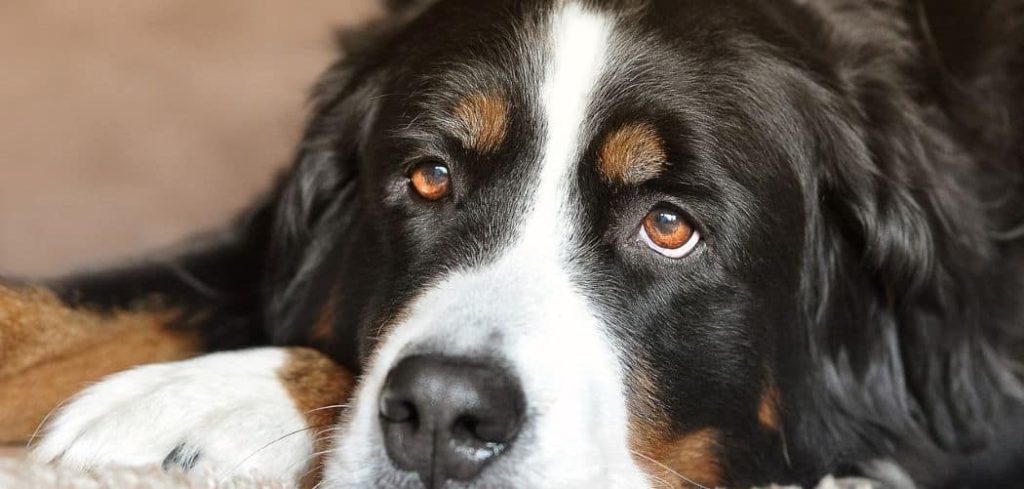
Depending on the underlying cause, your dog may also experience:
Sudden weakness or falling
Difficulty standing
Rapid or labored breathing
Pale or abnormal-colored gums
Loss of balance
Confusion
Vomiting
Loss of bladder control
Old Dog Collapsed: Common Causes
Heart Disease or Abnormal Heart Rhythm
Heart disease is an important cause of collapse in senior dogs. As the heart becomes less effective at pumping blood, the brain and muscles may temporarily receive insufficient blood flow.
An abnormal heart rhythm can also cause sudden weakness or fainting, sometimes with the dog recovering relatively quickly afterward.
Other warning signs may include coughing, reduced stamina, rapid breathing, or difficulty exercising.
Because heart-related collapse can recur or become life-threatening, veterinary cardiac evaluation is important.
Read more: Old Dog Collapsed and Peed (Here’s why)
Internal Bleeding
Internal bleeding can cause a rapid reduction in blood circulation and oxygen delivery, resulting in weakness and collapse.
In older dogs, internal bleeding can sometimes be associated with tumors affecting organs such as the spleen.
A dog may suddenly become extremely weak, develop pale gums, have a swollen abdomen, or collapse.
Internal bleeding is an emergency requiring immediate veterinary treatment.
Neurological Disease
Problems affecting the brain, spinal cord, or nerves can cause sudden weakness, loss of coordination, or inability to stand.
Older dogs can develop spinal disorders, brain tumors, vestibular disease, or other neurological conditions. Some dogs may drag their feet, circle, develop a head tilt, or appear confused.
Sudden loss of balance or an inability to stand requires immediate veterinary assessment.
Read more: Old Dog Neurological Problems (Signs, causes and treatment)
Low Blood Sugar
Low blood glucose can cause weakness, confusion, trembling, seizures, and collapse.
It may occur because of certain medical conditions, medications, prolonged periods without eating, or other metabolic problems.
A veterinarian can check blood glucose and determine why the level has become abnormal.
Severe Dehydration or Shock
Severe dehydration can reduce circulating blood volume and make it difficult for the cardiovascular system to maintain adequate blood flow.
Shock can occur with severe blood loss, infection, allergic reactions, heatstroke, or other critical illnesses.
Dogs may develop pale gums, weakness, rapid breathing, a weak pulse, and collapse.
Shock requires immediate stabilization and treatment of the underlying cause.
Spinal Disease
Intervertebral disc disease and other spinal conditions can cause sudden weakness or paralysis, particularly in the hind legs.
A dog may suddenly stumble, fall, drag their back feet, or become unable to stand. Some spinal conditions also cause pain, a hunched posture, or changes in bladder control.
Sudden neurological weakness should be evaluated urgently because some spinal conditions require rapid treatment.
Heatstroke
If your old dog collapsed after being outside, exercising, or spending time in a hot environment, heatstroke is an important possibility.
Heavy panting, drooling, weakness, vomiting, loss of coordination, and collapse can occur as body temperature becomes dangerously high.
Heatstroke can damage multiple organs and requires emergency veterinary care.
Bloat or Gastric Dilatation-Volvulus
Bloat, particularly gastric dilatation-volvulus (GDV), can cause rapid deterioration and collapse. The stomach becomes severely distended and may twist, interfering with circulation.
Warning signs can include a swollen abdomen, repeated unsuccessful attempts to vomit, restlessness, weakness, and rapid collapse.
This is a life-threatening emergency requiring immediate veterinary treatment.
Severe Systemic Disease
Kidney disease, liver disease, anemia, electrolyte abnormalities, severe infections, and hormonal disorders can all contribute to profound weakness.
For example, an Addisonian crisis can cause life-threatening weakness and collapse and requires emergency stabilization.
Blood tests are often needed to identify these underlying problems.
Read more: Old Dog Collapsed and Breathing Heavily (Possible causes)
Old Dog Collapsed: What to Do
If your dog has collapsed, keep them as calm and still as possible and contact a veterinarian or emergency veterinary clinic immediately. Do not encourage them to walk around because they may collapse again or worsen an injury.
Keep your dog away from stairs and other hazards while arranging transportation. If they appear to have a spinal injury, minimize movement during transport.
Do not give medications unless your veterinarian specifically instructs you to do so.
If your dog has recovered, note what happened immediately before the collapse, how long it lasted, and whether there were changes in breathing, movement, gum color, urination, or awareness. This information can help your veterinarian identify the cause.
When to Call or Visit Your Vet
An old dog that has collapsed should receive prompt veterinary attention, even if they appear to recover afterward.
Sudden collapse can be caused by heart disease, internal bleeding, poisoning, neurological disease, low blood sugar, and other emergencies.
Seek emergency veterinary attention immediately if your dog develops:
Sudden inability to stand
Repeated collapse
Difficulty breathing
Pale, white, blue, gray, or abnormal gums
Loss of consciousness
Severe weakness
Seizures
Sudden paralysis
A swollen abdomen with repeated unsuccessful retching
Suspected poisoning
Severe bleeding
Old Dog Collapsed: Treatment
Treatment for an old dog that has collapsed depends on the reason for the collapse and how stable the dog is.
Veterinary care typically begins with emergency stabilization followed by a physical and neurological examination and diagnostic testing such as blood work, X-rays, an ECG, or ultrasound.
Treatment may include oxygen therapy, intravenous fluids, medications to support the heart or blood pressure, pain management, or other targeted treatment.
Sudden collapse in a senior dog should be treated as an emergency, particularly if the dog remains weak, has difficulty breathing, cannot stand, has pale or blue gums, or loses consciousness.
Recovery and Monitoring
Recovery depends entirely on the underlying cause. Some dogs recover well when the problem is treatable, while others may need long-term management for heart disease, neurological conditions, or chronic organ disease.
After your dog has been evaluated, monitor their breathing, appetite, drinking, mobility, urination, and overall behavior.
Prevent access to stairs and slippery surfaces until your veterinarian has determined that it is safe for your dog to move normally.
If another collapse occurs, seek emergency veterinary care rather than waiting to see whether your dog recovers again.
Key Takeaway
An old dog that has collapsed may be experiencing heart disease, an abnormal heart rhythm, internal bleeding, neurological disease, low blood sugar, dehydration, shock, heatstroke, spinal disease, bloat, or another serious medical condition.
Sudden collapse should not be considered a normal consequence of aging.
If your dog is currently collapsed, unable to stand, struggling to breathe, unconscious, having seizures, or showing pale or abnormal-colored gums, seek emergency veterinary care immediately.
Even if your dog appears to recover after a brief episode, a veterinary examination is important to determine why the collapse occurred.


